
Safety Warning
DIY auto repair can cause serious injury, fire, or vehicle damage. These guides are for informational purposes only. Always follow OEM torque specs, wear PPE, and consult a certified mechanic if you are unsure. You are solely responsible for your safety.
2009 Mazda B2300 L4-2.3LFACTORY OEM SERVICE PROCEDURE
System Specifications
AUTOMATIC TRANSMISSION SPECIFICATIONS
General Specifications

Approximate dry capacity, includes cooler and lines. Fluid level indicator should be used to determine actual fluid requirements and fluid specification. Check the level at normal operating temperature. DO NOT OVERFILL if it is necessary to add or replace fluid.
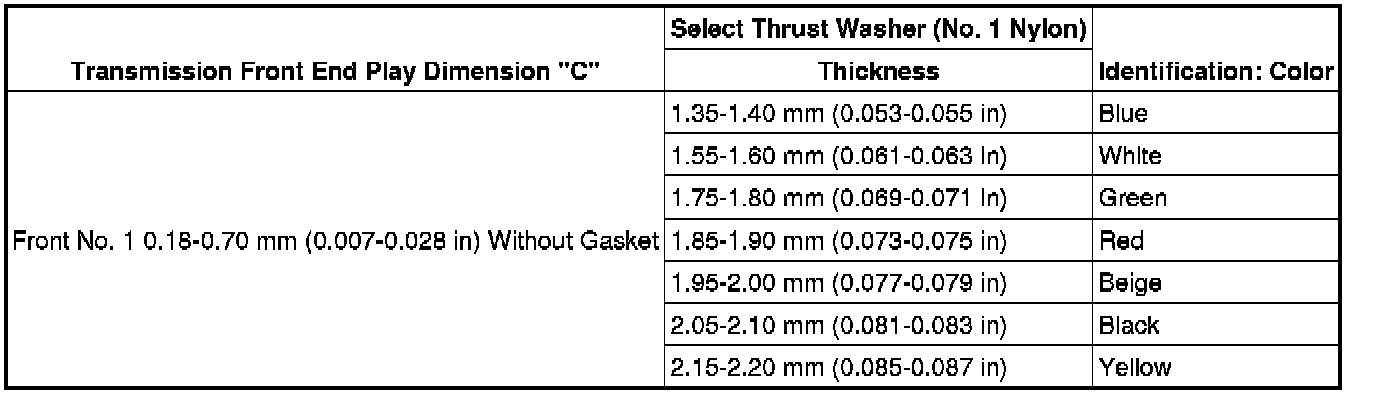
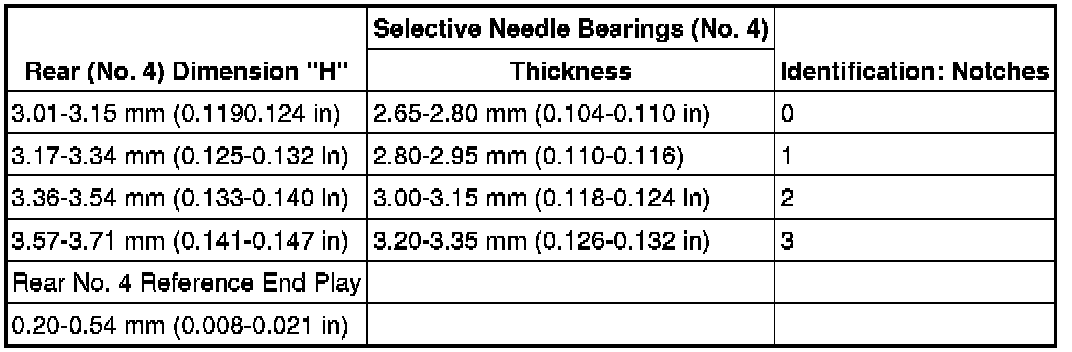
End Play Specifications (5R55E 5R44E)
Band Adjustment And Torque Chart (5R44E and 5R55E)

Clutch Plate Usage And Clearance Specifications (5R44E and 5R55E)

Selective Snap Rings (5R44E and 5R55E)

Service Identification Model Chart (5R44E and 5R55E)

Band/Clutch Application Chart (5R44E and 5R55E)

A=Applied
H=Hold
OR=Overrunning
OC=Overdrive cancelled
NE=No effect
Factory Service Tools
Use the Manual With the Right Hardware
Pair factory procedures with proven DIY tools so the instructions are easier to execute.
Disclosure: Verified tool recommendations may earn an affiliate commission at no cost to you.
When to See a Mechanic
Stop DIY work and contact a certified mechanic immediately if any of the following apply:
- • You smell fuel, burning insulation, or see smoke.
- • Brakes feel soft, pull hard to one side, or make grinding noises.
- • The engine overheats, stalls repeatedly, or misfires under load.
- • You are missing required tools, torque specs, or safe lifting equipment.
- • You are not confident in the next step or safety outcome.