
Safety Warning
DIY auto repair can cause serious injury, fire, or vehicle damage. These guides are for informational purposes only. Always follow OEM torque specs, wear PPE, and consult a certified mechanic if you are unsure. You are solely responsible for your safety.
2000 Ford Excursion 2WD V10-6.8L VIN SFACTORY OEM SERVICE PROCEDURE
Spark Plug -Thread Repair
Special Tools:
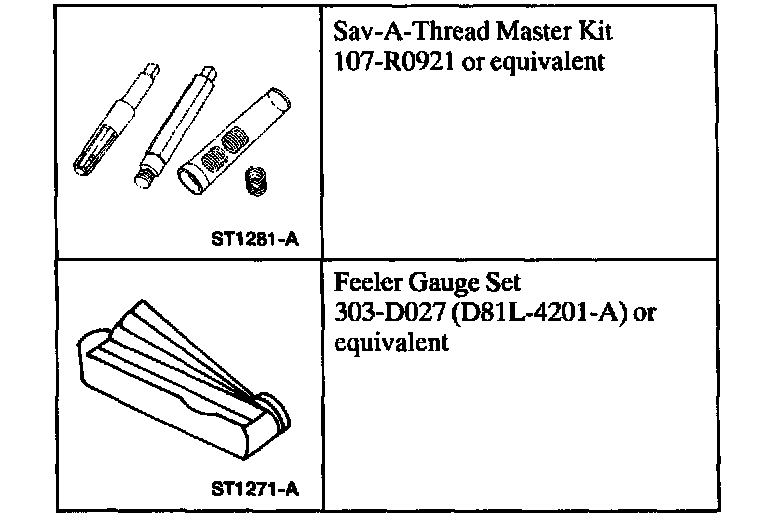
CAUTION:
^ The cylinder head must be removed from the engine before installing a tapersert. If this procedure is done with the cylinder head on the engine, the cylinder walls can be damaged by metal chips produced by the thread cutting process.
^ Do not use power or air-driven tools for installing taperserts.
Note: This repair is permanent and will have no effect on cylinder head or spark plug life.
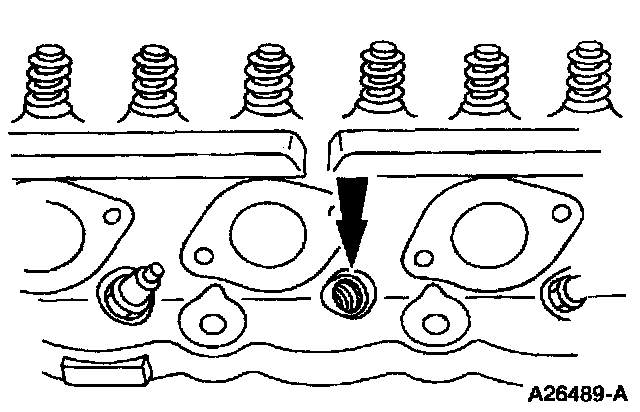
1. Clean the spark plug seat and threads.

2. Start the tap into the spark plug hole, being careful to keep it correctly aligned. As the tap begins to cut new threads, apply aluminum cutting oil.
3. Continue cutting the threads and applying oil until the stop ring bottoms against the spark plug seat.
4. Remove the tap and metal chips.
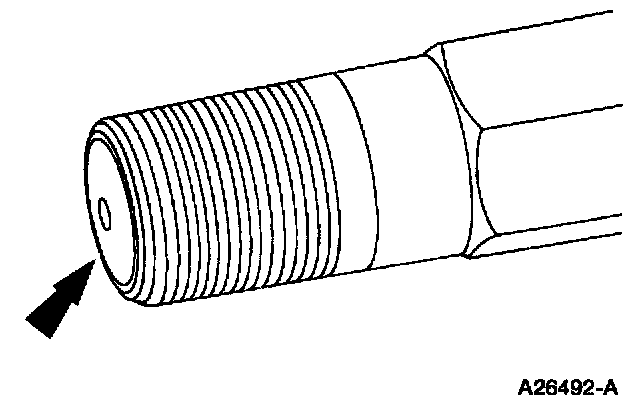
5. Coat the threads of the mandrel with cutting oil.
6. Thread the tapersert onto the mandrel until one thread of the mandrel extends beyond the tapersert.
7. Note: A correctly installed tapersert will be either flush with or 1.0 mm (0.039 inch) below the spark plug gasket seat.
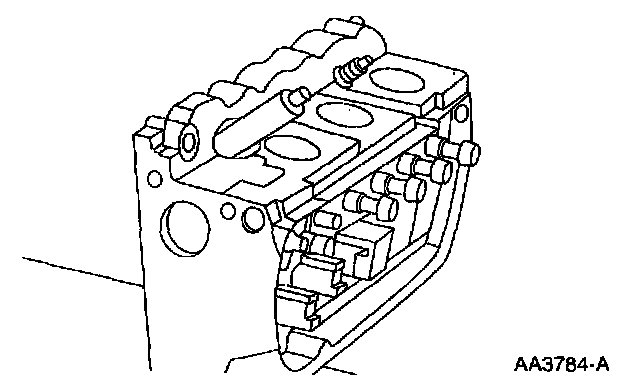
Tighten the tapersert into the spark plug hole.
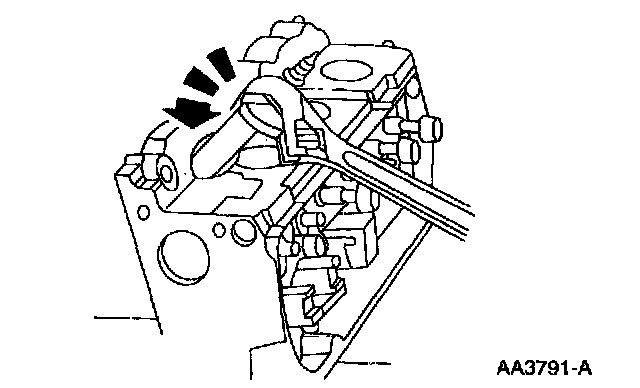
8. Turn the mandrel body approximately one-half turn counterclockwise and remove.
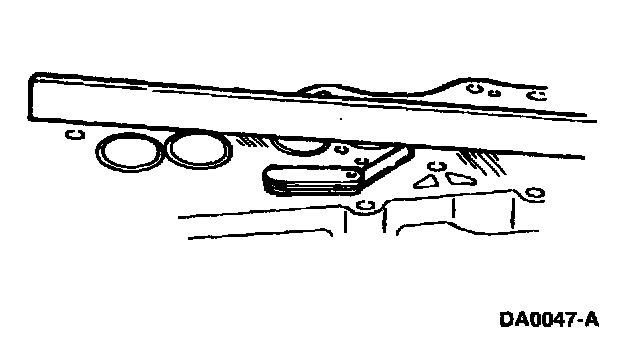
9. Use the Feeler Gauge and a suitable straightedge to check for cylinder head flatness.
Factory Service Tools
Use the Manual With the Right Hardware
Pair factory procedures with proven DIY tools so the instructions are easier to execute.
Disclosure: Verified tool recommendations may earn an affiliate commission at no cost to you.
When to See a Mechanic
Stop DIY work and contact a certified mechanic immediately if any of the following apply:
- • You smell fuel, burning insulation, or see smoke.
- • Brakes feel soft, pull hard to one side, or make grinding noises.
- • The engine overheats, stalls repeatedly, or misfires under load.
- • You are missing required tools, torque specs, or safe lifting equipment.
- • You are not confident in the next step or safety outcome.