
Safety Warning
DIY auto repair can cause serious injury, fire, or vehicle damage. These guides are for informational purposes only. Always follow OEM torque specs, wear PPE, and consult a certified mechanic if you are unsure. You are solely responsible for your safety.
2008 Chrysler PT Cruiser L4-2.4LFACTORY OEM SERVICE PROCEDURE
System Specifications
SERVICE SPECS
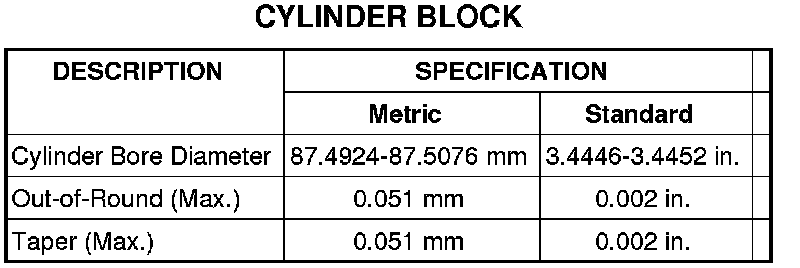
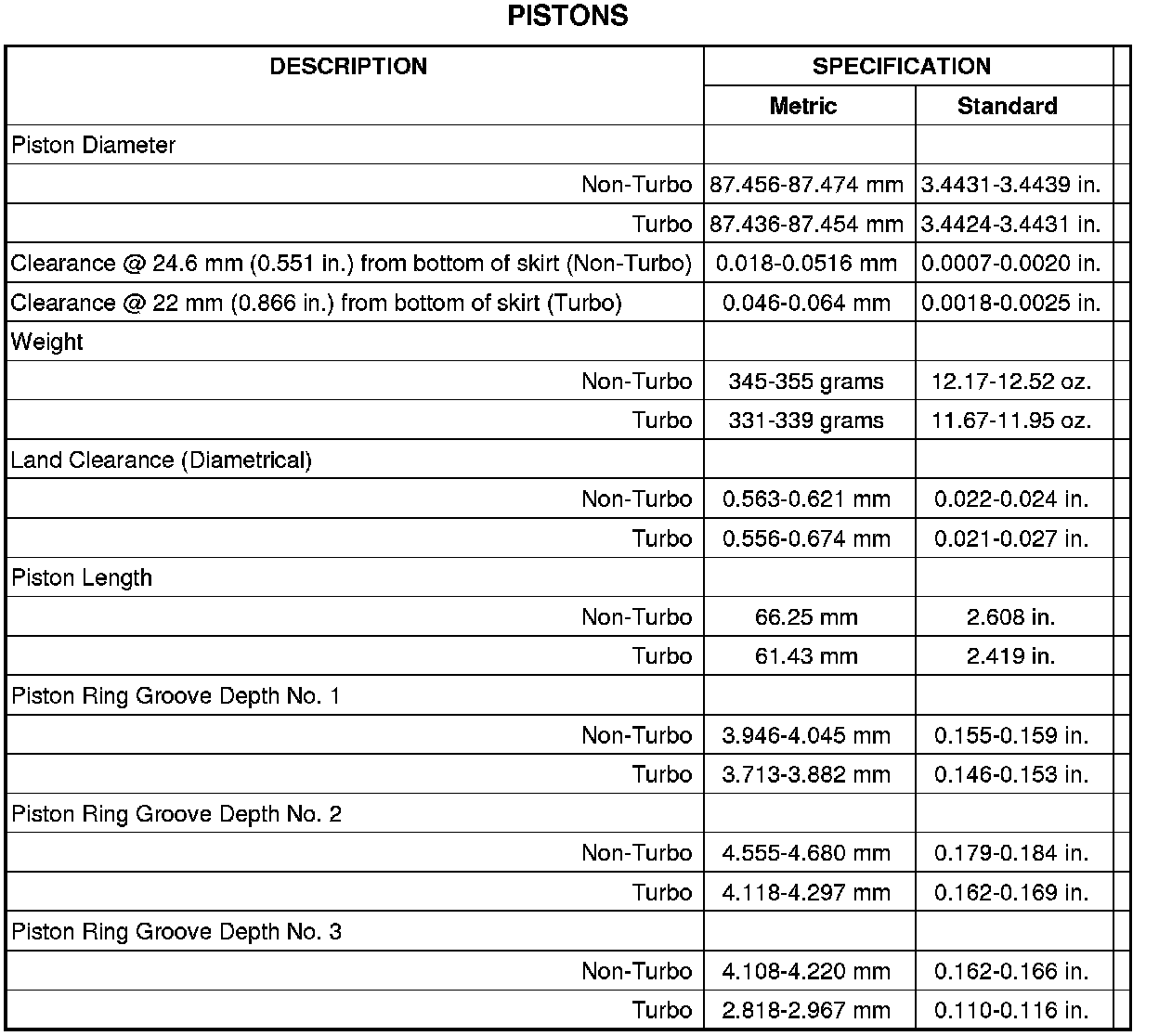
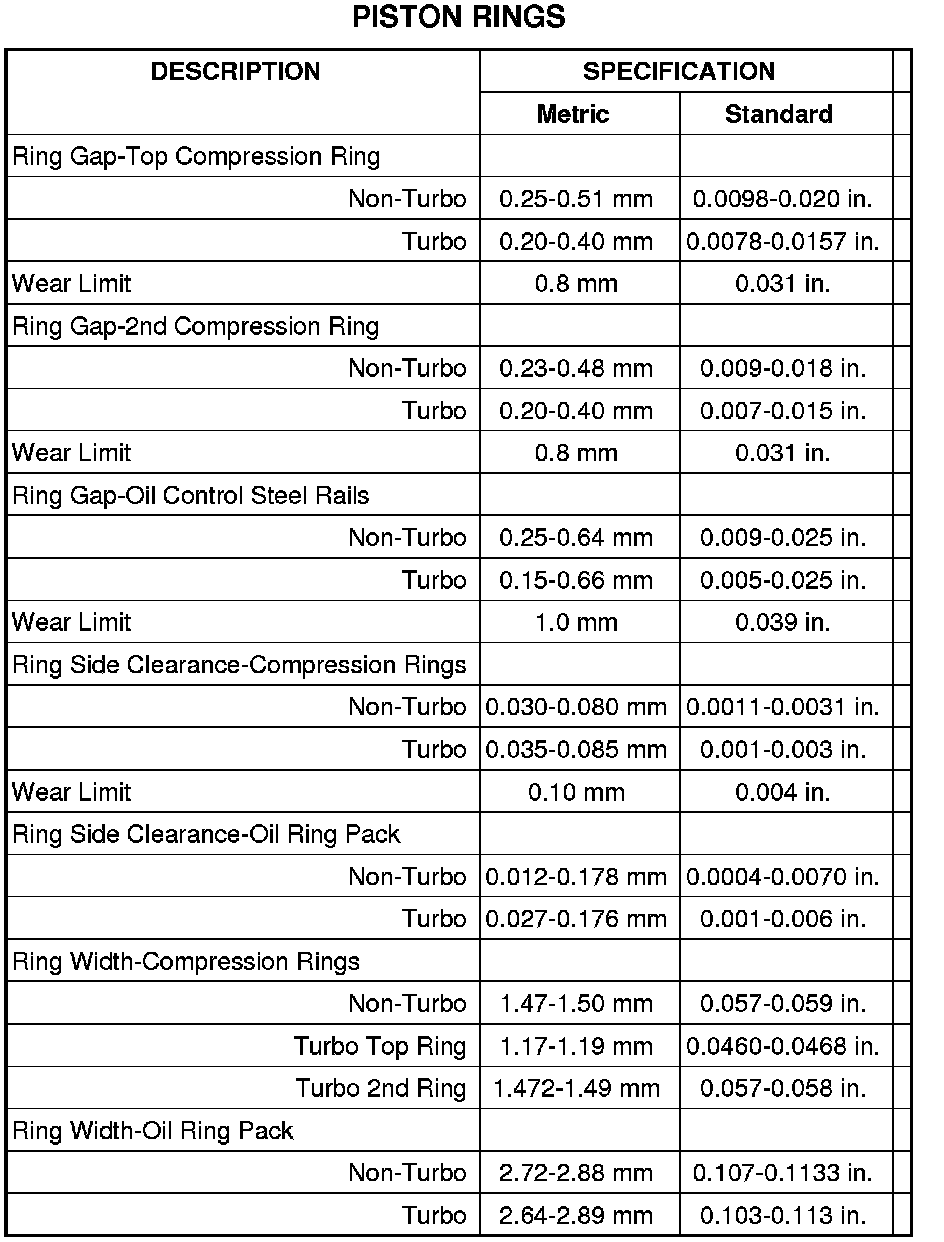
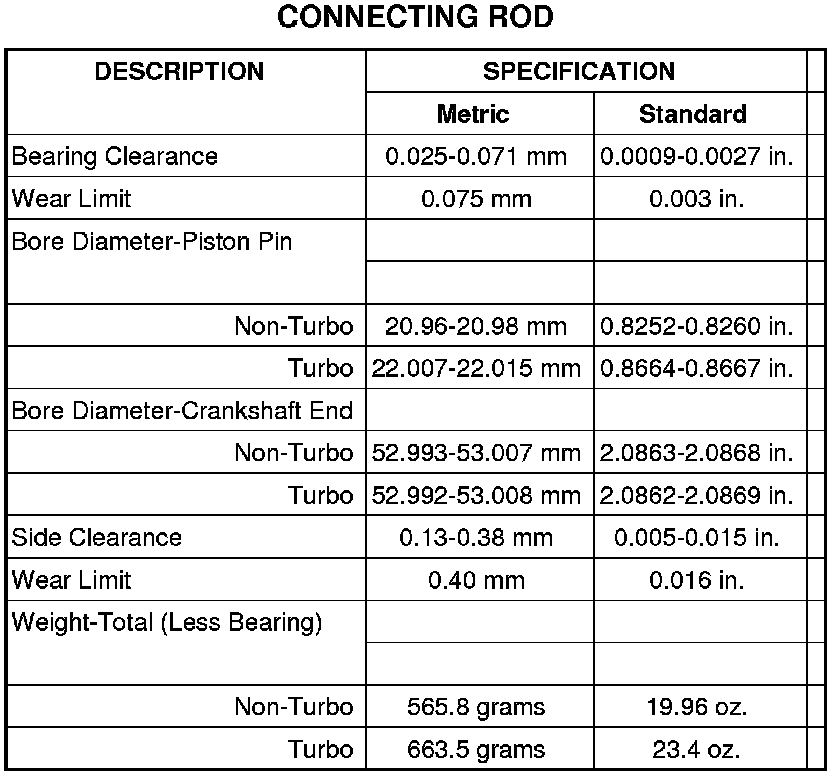
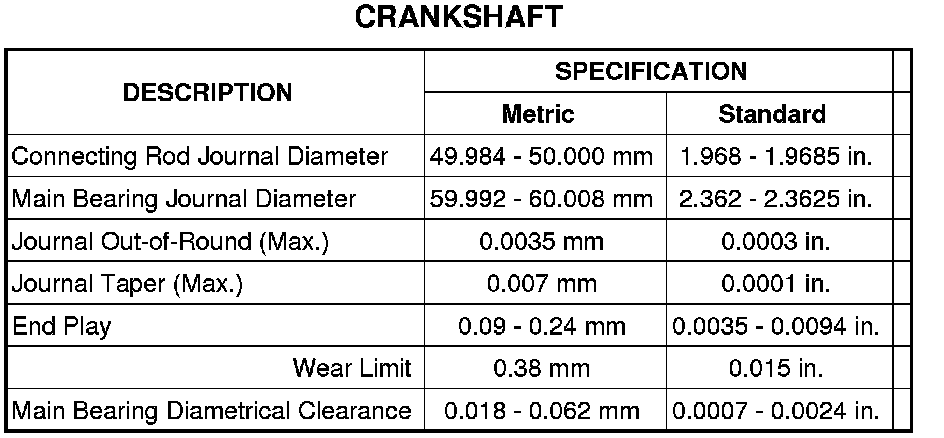
CRANKSHAFT PULLEY TORQUE
Crankshaft damper bolt 136 Nm (100 ft. lbs.)
NOTE: Apply Mopar(R) Lock & Seal Adhesive (Medium Strength Threadlocker) to crankshaft damper bolt.
MAIN BEARING CAP TORQUE & SEQUENCE
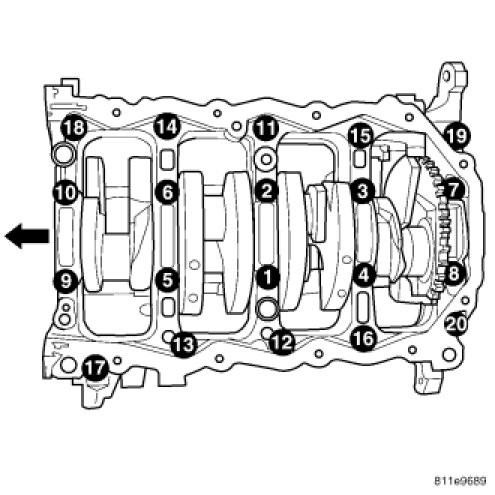
1. Before installing the bolts the threads should be oiled with clean engine oil, wipe off any excess oil.
2. Install main bearing cap/bed plate to engine block bolts 11, 17, and 20 finger tight. Tighten these bolts down together until the bed plate contacts the cylinder block.
3. To ensure correct thrust bearing alignment, perform the following steps:
- Step 1: Rotate crankshaft until number 4 piston is at TDC.
- Step 2: Move crankshaft rearward to limits of travel.
- Step 3: Then, move crankshaft forward to limits of travel.
- Step 4: Wedge an appropriate tool between the rear of the cylinder block (NOT BED PLATE) and the rear crankshaft counterweight. This will hold the crankshaft in it's furthest forward position.
- Step 5: Install and tighten bolts (1-10) in sequence shown to 41 Nm (30 ft. lbs.).
- Step 6: Remove wedge tool used to hold crankshaft.
4. Tighten bolts (1-10) again to 41 Nm (30 ft. lbs.) in sequence shown.
5. Install main bearing bed plate to engine block bolts (11-20), and torque each bolt to 28 Nm (250 in. lbs.) in sequence shown.
6. Tighten bolts (1-10) to 75 Nm (55 ft. lbs.) in sequence shown.
7. Tighten bolts (11-20) again to 28 Nm (250 in. lbs.) in sequence shown.
8. After the main bearing bed plate is installed, check the crankshaft turning torque. The turning torque should not exceed 5.6 Nm (50 in. lbs.).
Factory Service Tools
Use the Manual With the Right Hardware
Pair factory procedures with proven DIY tools so the instructions are easier to execute.
Disclosure: Verified tool recommendations may earn an affiliate commission at no cost to you.
When to See a Mechanic
Stop DIY work and contact a certified mechanic immediately if any of the following apply:
- • You smell fuel, burning insulation, or see smoke.
- • Brakes feel soft, pull hard to one side, or make grinding noises.
- • The engine overheats, stalls repeatedly, or misfires under load.
- • You are missing required tools, torque specs, or safe lifting equipment.
- • You are not confident in the next step or safety outcome.