
Safety Warning
DIY auto repair can cause serious injury, fire, or vehicle damage. These guides are for informational purposes only. Always follow OEM torque specs, wear PPE, and consult a certified mechanic if you are unsure. You are solely responsible for your safety.
2010 Chevrolet Cobalt L4-2.2LFACTORY OEM SERVICE PROCEDURE
Instrument Panel/Center Console Component Views
Instrument Panel/Center Console Component Views
Instrument Panel Front Components

1 - Instrument Panel Cluster (IPC)
2 - Ambient Light Sensor
3 - Hazard Warning Switch
4 - Radio
5 - Remote Control Door Lock Receiver (RCDLR) (AUO)
6 - Heated Seat Switch - Passenger (KA1)
7 - HVAC Control Module
8 - Inflatable Restraint Passenger Air Bag On/Off Indicator (AL0 or ASA)
9 - Body Control Module (BCM)
10 - Heated Seat Switch - Driver (KA1)
11 - Traction Control Switch (JL4 of JL9)
12 - I/P Dimmer Switch
13 - Fog Lamp Switch (T37)
14 - Data Link Connector (DLC)
15 - Rear Compartment Lid Release Switch
16 - I/P Trim
Instrument Panel Rear Components
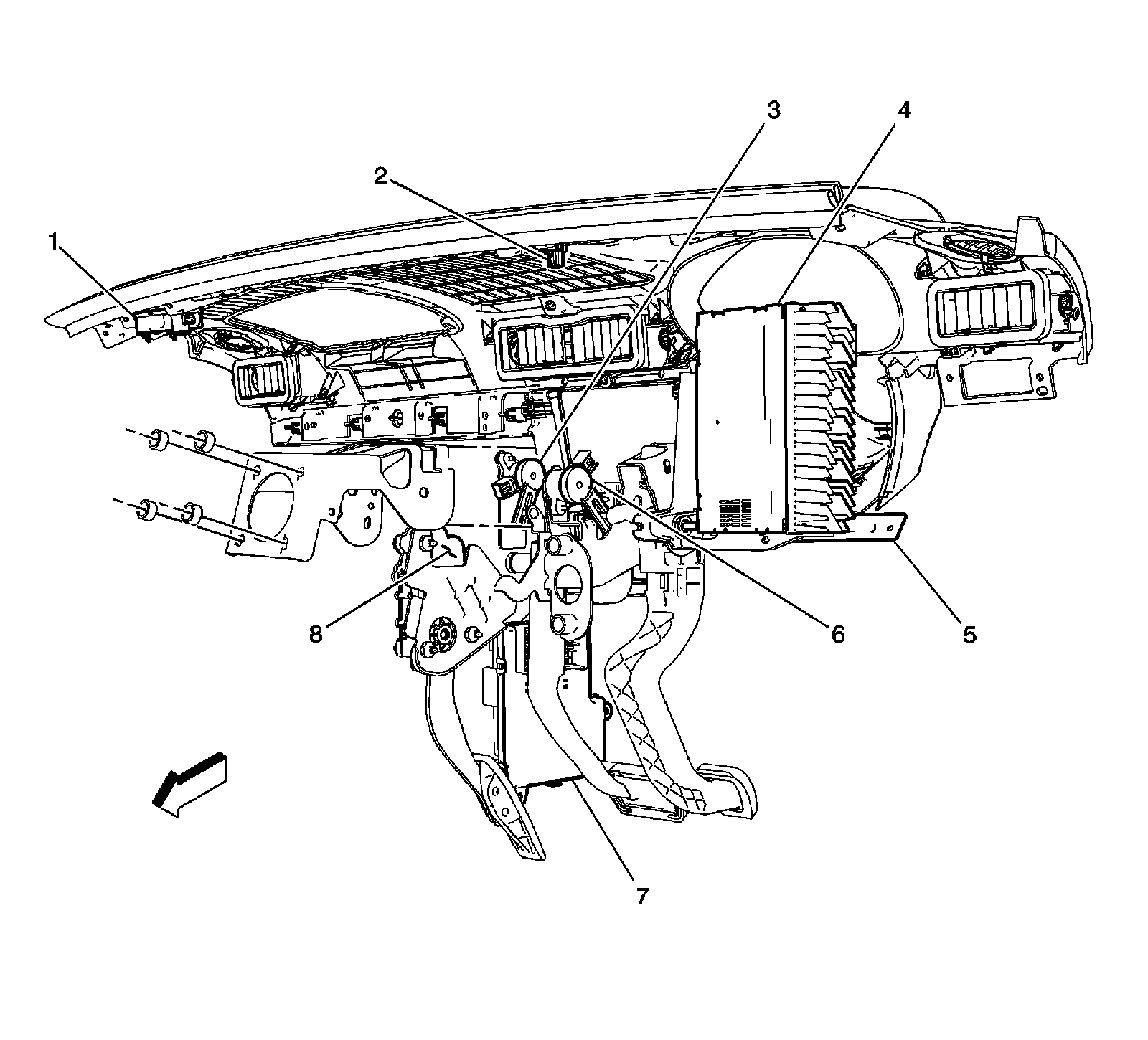
1 - Remote Control Door Lock Receiver (RCDLR) (AUO)
2 - Ambient Light Sensor
3 - Brake Pedal Position (BPP) Sensor
4 - Audio Amplifier (UQ3)
5 - Data Link Connector (DLC)
6 - Clutch Pedal Position (CPP) Sensor (M86 or MU3)
7 - Body Control Module (BCM)
8 - Accelerator Pedal Position (APP) Sensor
Steering Column
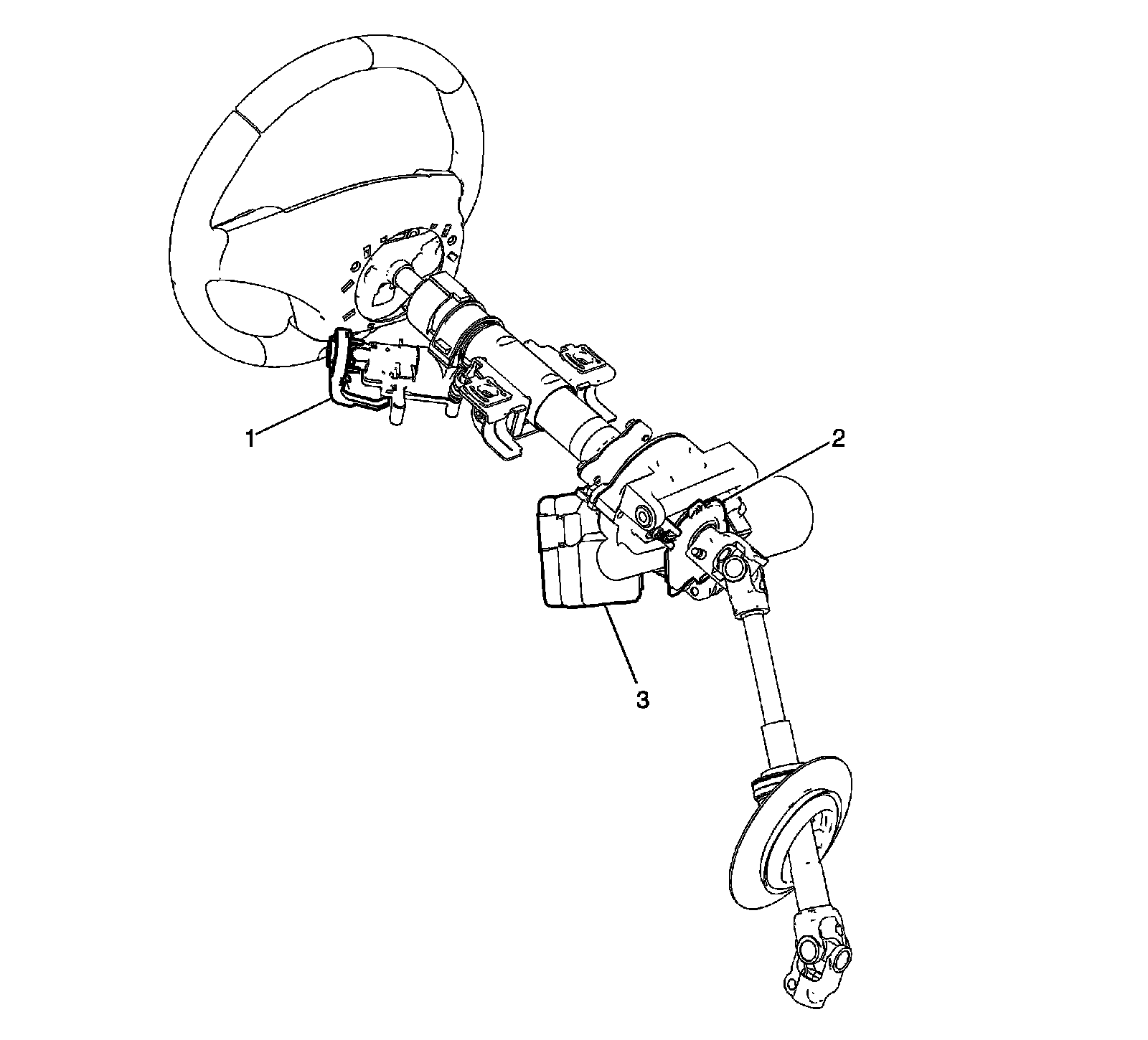
1 - Theft Deterrent Module (TDM)
2 - Ignition Switch
3 - Steering Angle Sensor (JL4)
4 - Electric Power Steering (EPS) Motor
5 - Power Steering Control Module (PSCM)
Steering Wheel

1 - Steering Wheel Control Switch - Left (UK3)
2 - Horn Switch
3 - Steering Wheel Control Switch - Right (UK3)
4 - Inflatable Restraint Steering Wheel Module
Interior HVAC Components
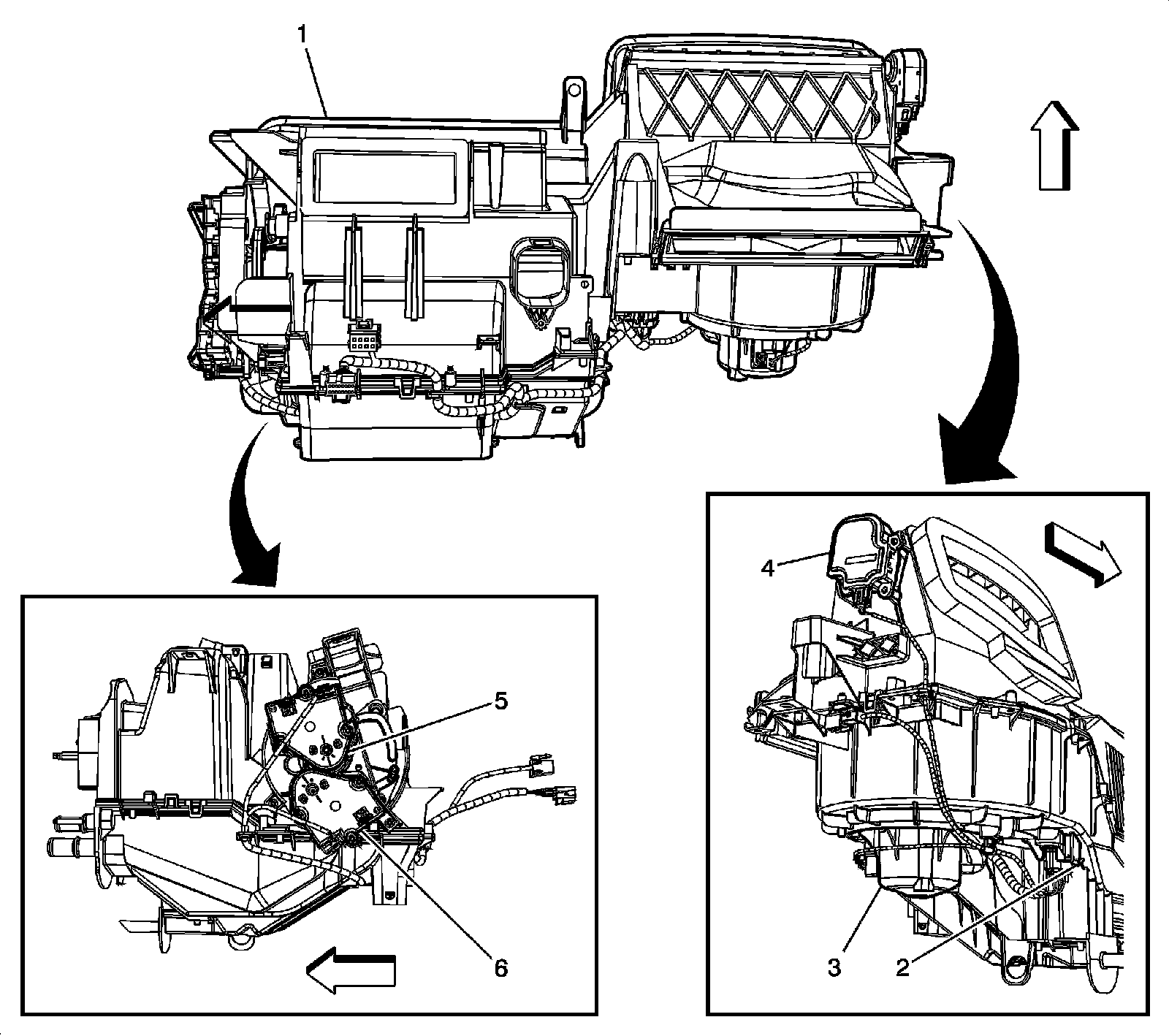
1 - HVAC Box Assembly
2 - Blower Motor Resistor
3 - Blower Motor
4 - Recirculation Actuator
5 - Mode Actuator
6 - Air Temperature Actuator
Console Components
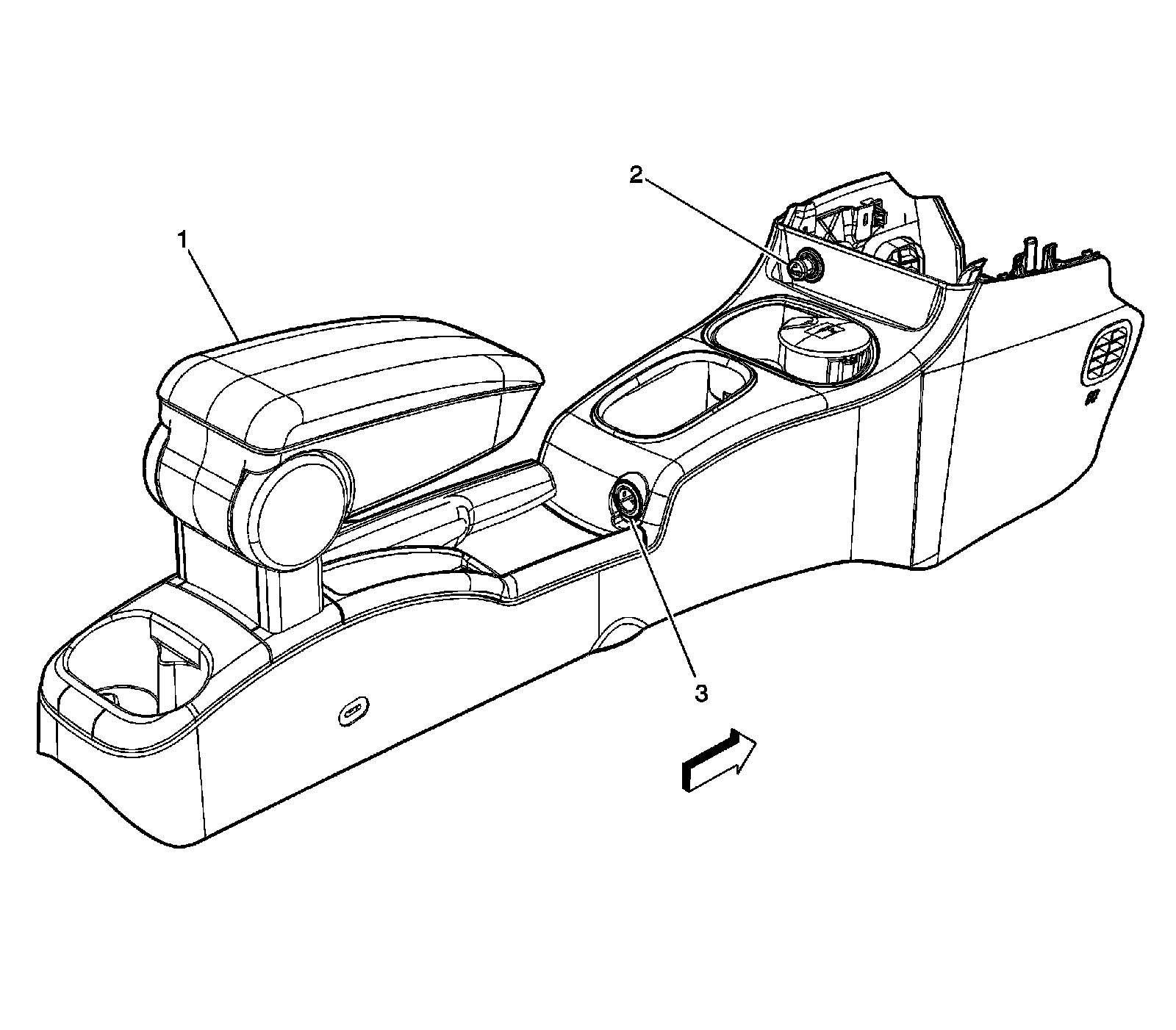
1 - Console Armrest
2 - Cigar Lighter (DT4), Accessory Power Outlet (without DT4)
3 - Accessory Power Outlet - Center Console
Automatic Transmission Shift Lever Components (MN5)
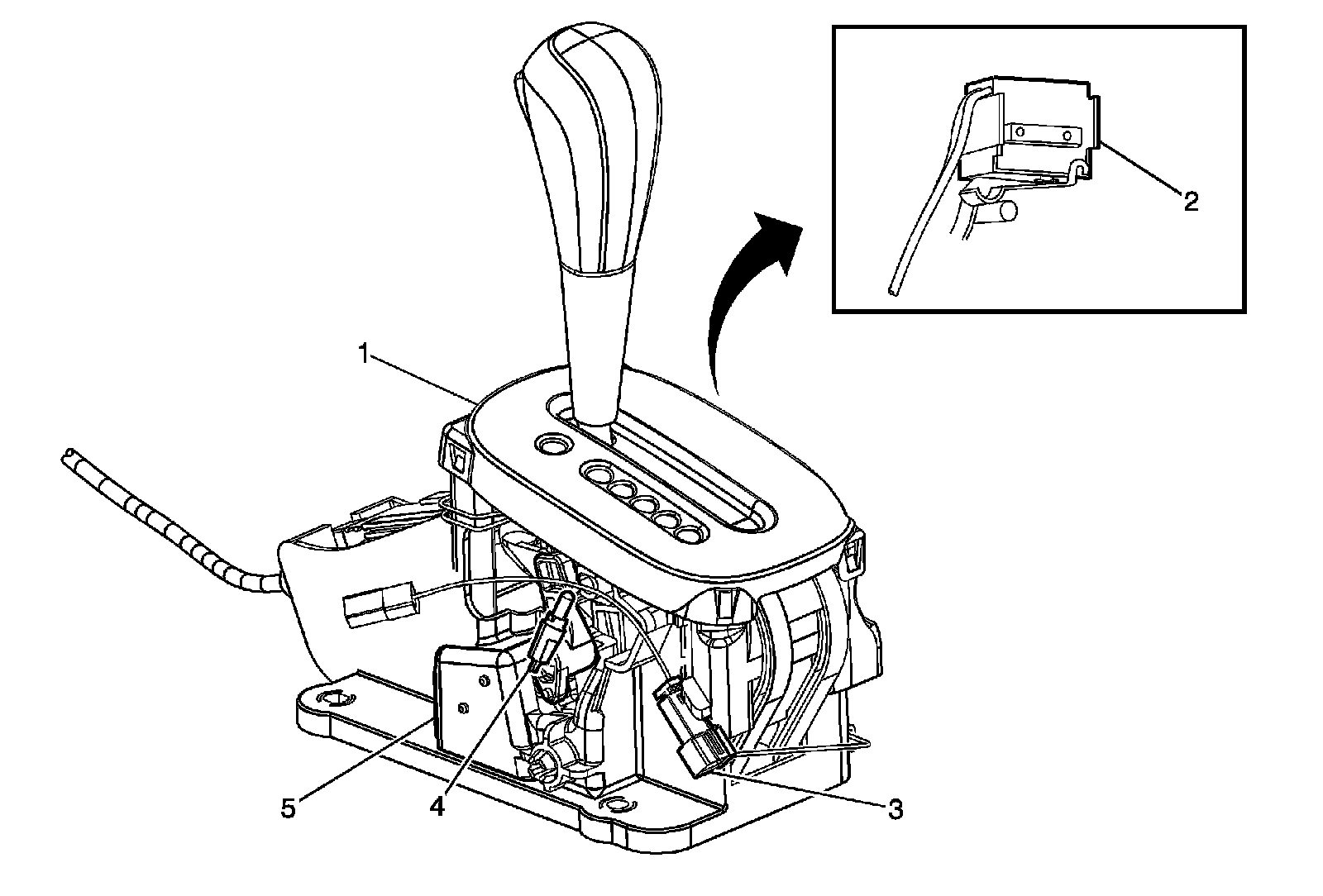
1 - Automatic Transmission Shift Lever
2 - Park Position Switch
3 - X307
4 - Automatic Transmission Shift Lever Bulb and Socket
5 - Automatic Transmission Shift Lock Control Solenoid
Factory Service Tools
Use the Manual With the Right Hardware
Pair factory procedures with proven DIY tools so the instructions are easier to execute.
Disclosure: Verified tool recommendations may earn an affiliate commission at no cost to you.
When to See a Mechanic
Stop DIY work and contact a certified mechanic immediately if any of the following apply:
- • You smell fuel, burning insulation, or see smoke.
- • Brakes feel soft, pull hard to one side, or make grinding noises.
- • The engine overheats, stalls repeatedly, or misfires under load.
- • You are missing required tools, torque specs, or safe lifting equipment.
- • You are not confident in the next step or safety outcome.