Safety Warning
DIY auto repair can cause serious injury, fire, or vehicle damage. These guides are for informational purposes only. Always follow OEM torque specs, wear PPE, and consult a certified mechanic if you are unsure. You are solely responsible for your safety.
SYS.OK|MANUAL.DB● LIVE
2007 Buick Rainier AWD L6-4.2L
Powertrain Management: Locations
2007 Buick Rainier AWD L6-4.2LSECTION Locations
Engine Controls Component Views
Upper Left Side of the Engine - Front

1 - Powertrain Control Module (PCM)
2 - Powertrain Control Module (PCM) C3
3 - Powertrain Control Module (PCM) C2
4 - Generator
Lower Left Side of the Engine
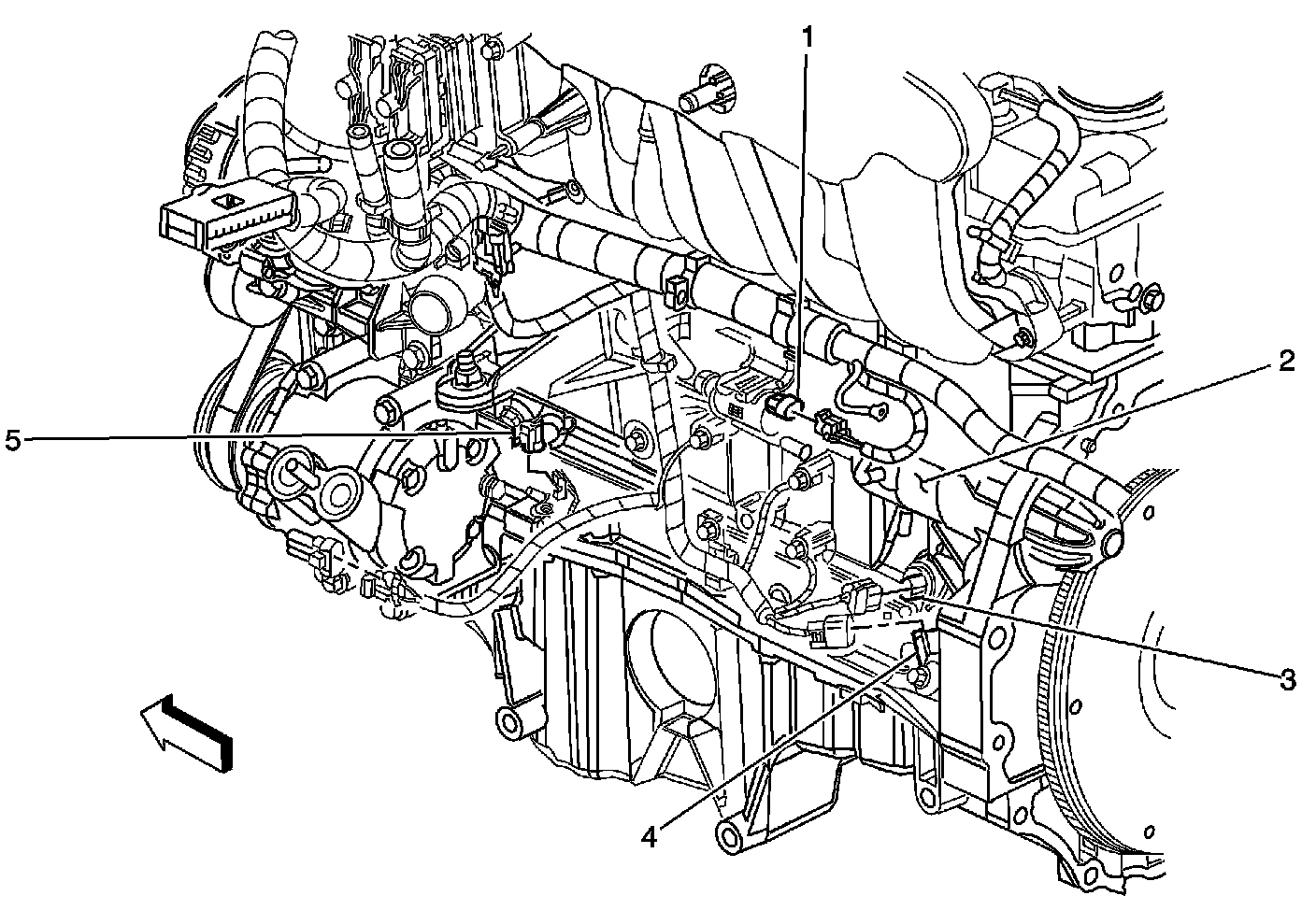
1 - Evaporative Emission (EVAP) Canister Purge Solenoid
2 - Starter
3 - Crankshaft Position (CKP) Sensor
4 - Knock Sensor (KS) 2 - Rear
5 - Knock Sensor (KS) 1 - Front
Right Side of the Engine - Front
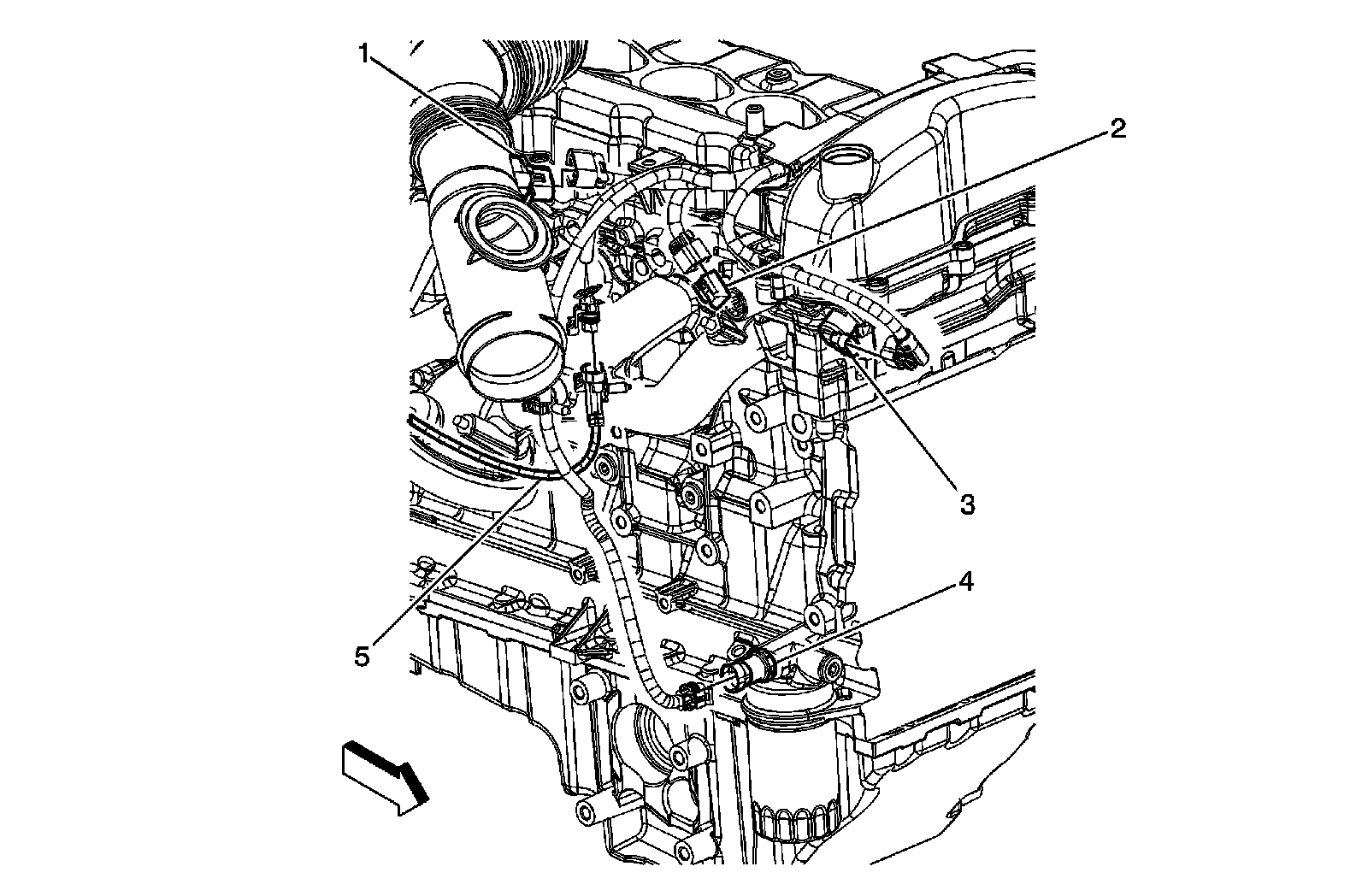
1 - Mass Air Flow (MAF) / Intake Air Temperature (IAT) Sensor
2 - Camshaft Actuator Solenoid Assembly
3 - Camshaft Position (CMP) Sensor
4 - Engine Oil Pressure (EOP) Switch
5 - Heated Oxygen Sensor (HO2S) Sensor 1
Upper Right Side of the Engine
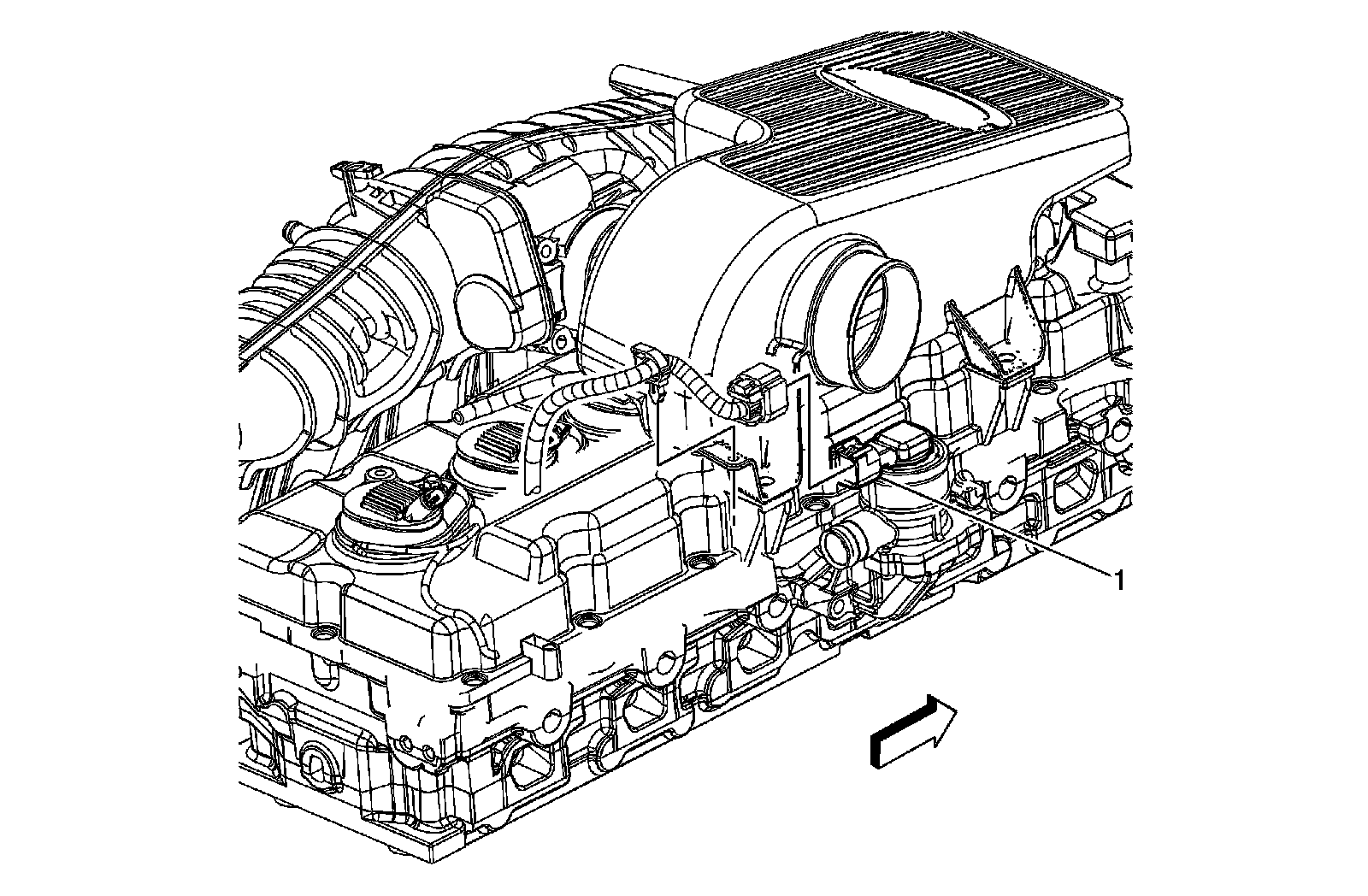
1 - Secondary Air Injection (AIR) Solenoid (K18)
Upper Right Side of the Engine - Rear
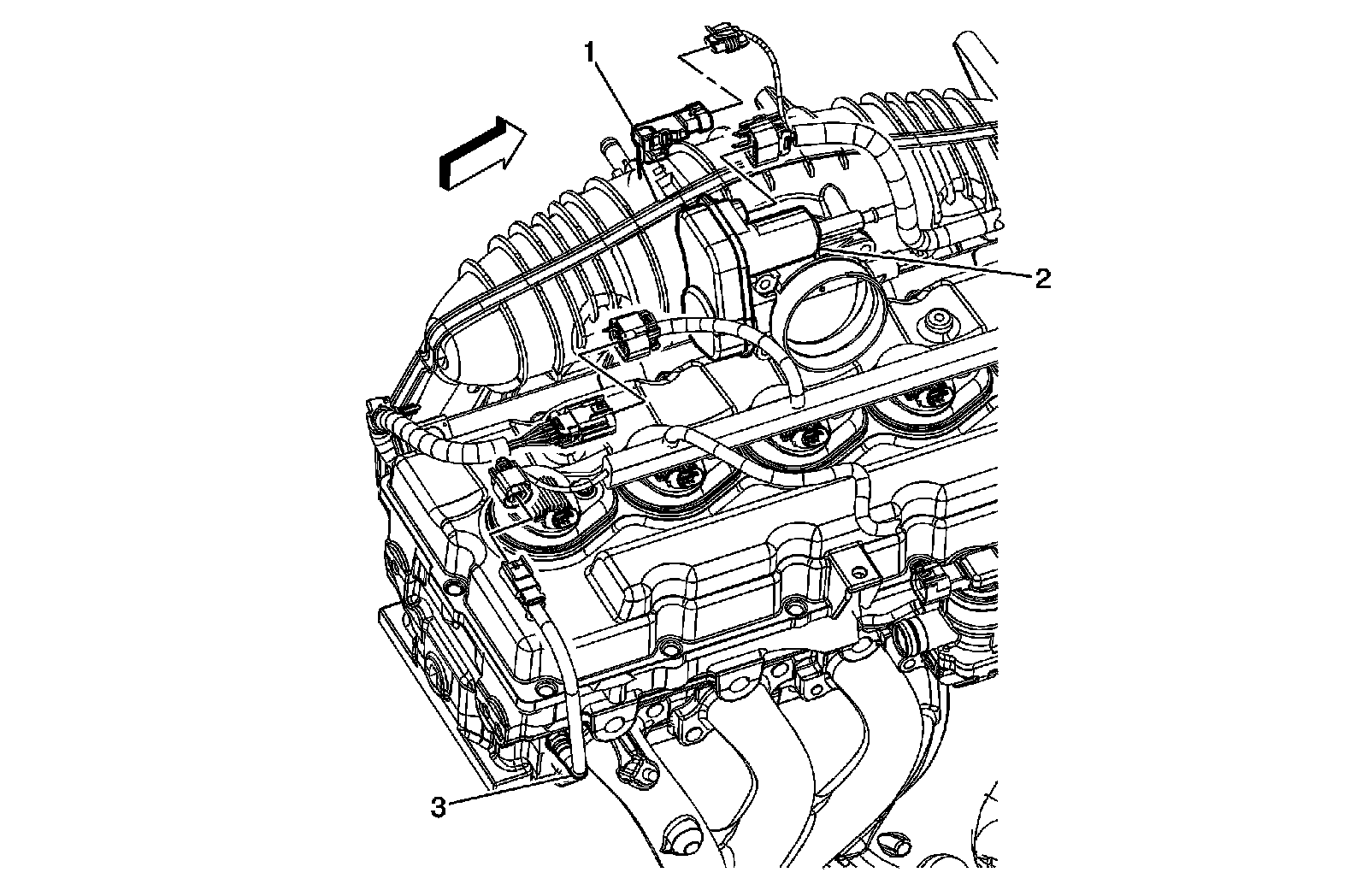
1 - Manifold Absolute Pressure (MAP) Sensor
2 - Throttle Body
3 - Engine Coolant Temperature (ECT) Sensor
Top of Engine
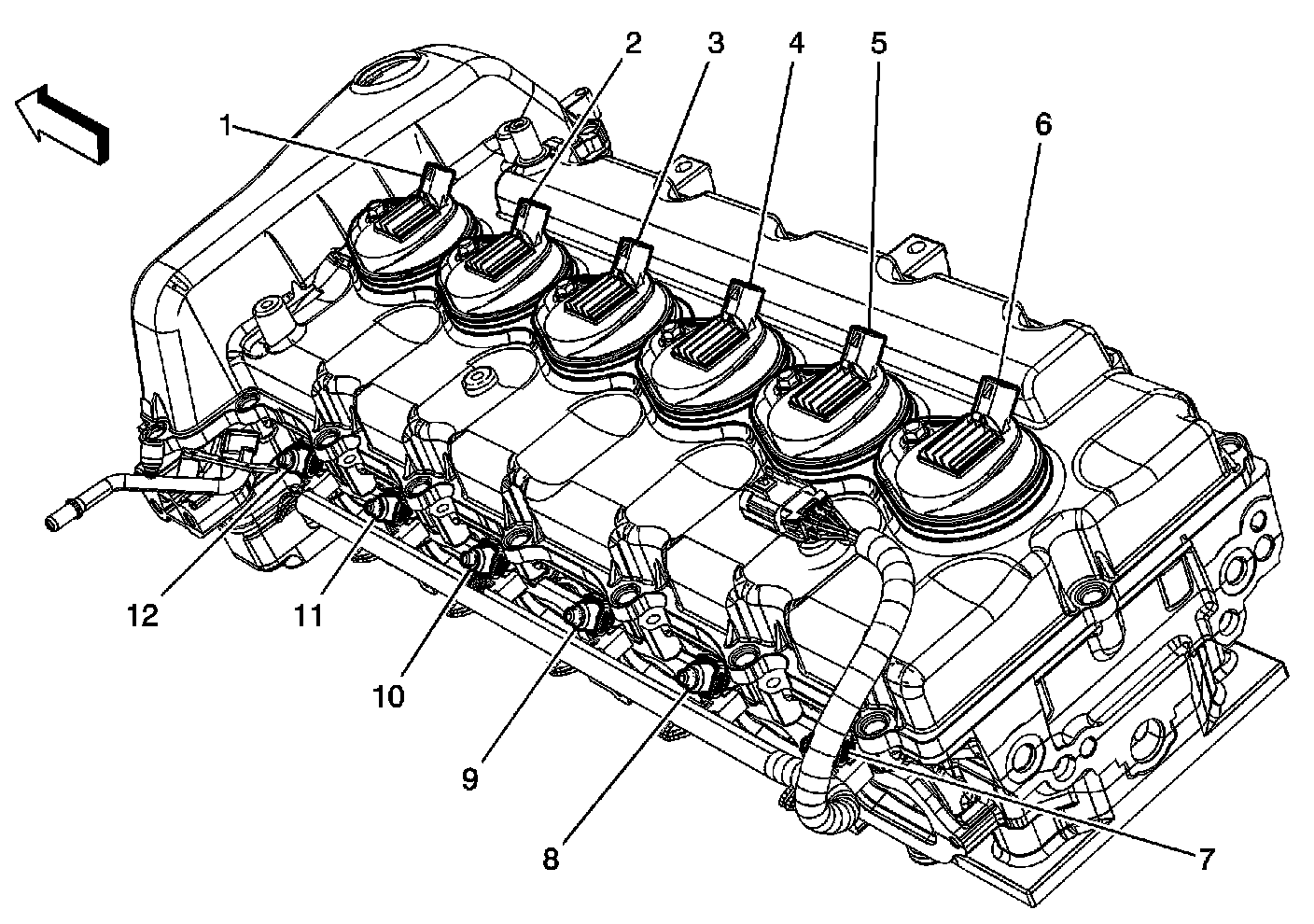
1 - Ignition Coil 1
2 - Ignition Coil 2
3 - Ignition Coil 3
4 - Ignition Coil 4
5 - Ignition Coil 5
6 - Ignition Coil 6
7 - Fuel Injector 6
8 - Fuel Injector 5
9 - Fuel Injector 4
10 - Fuel Injector 3
11 - Fuel Injector 2
12 - Fuel Injector 1
Right Side of the Transmission
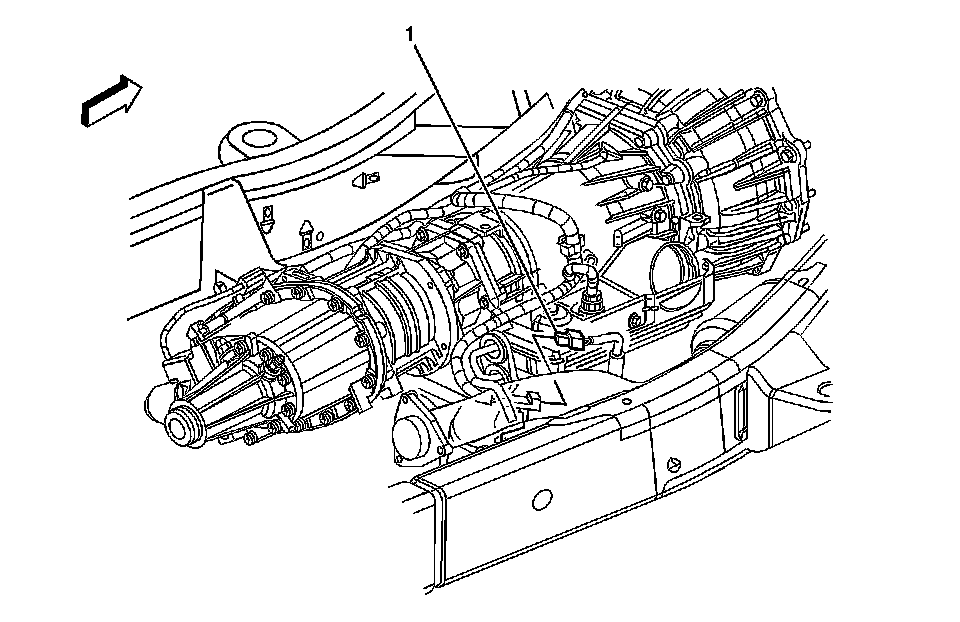
1 - Heated Oxygen Sensor (HO2S) Sensor 2
Accelerator and Brake Pedals

1 - Instrument Panel Harness
2 - Accelerator Pedal Position (APP) Sensor
3 - Accelerator Pedal
4 - Brake Pedal
5 - Stop Lamp Switch
Left Front of Chassis (K18)
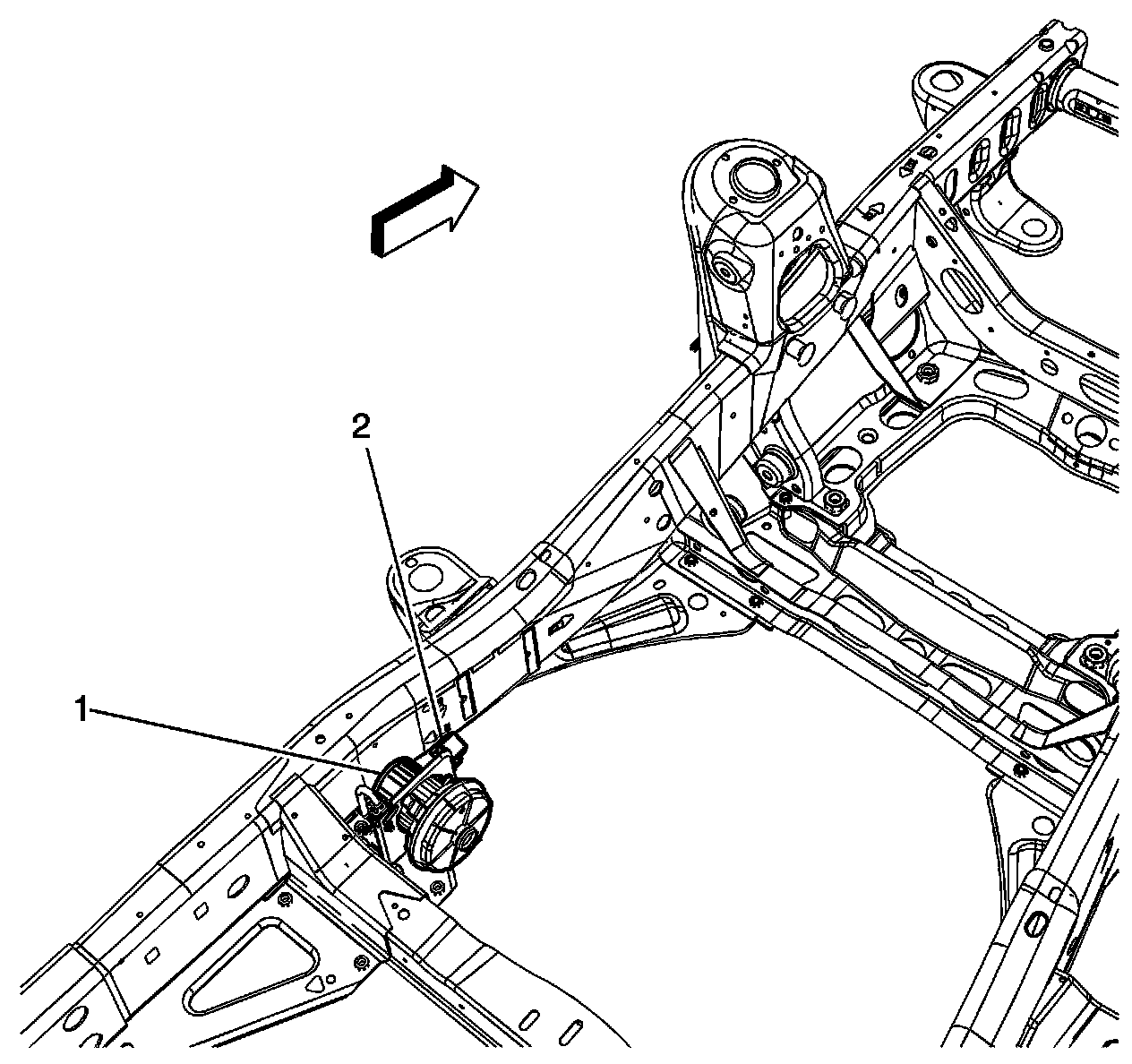
1 - Secondary Air Injection (AIR) Pump
2 - Secondary Air Injection (AIR) Pump Relay
Fuel Tank

1 - Fuel Tank Pressue (FTP) Sensor
2 - Fuel Pump and Sender Assembly
3 - Chassis Harness
4 - Fuel Tank
5 - Evaporative Emission (EVAP) Canister Vent Solenoid
RENDER: 1.0x
NO RELATED
Recommended Tools & Savings
Use the Manual With the Right Hardware
Pair factory procedures with proven DIY tools so the instructions are easier to execute.
Affiliate disclosure: We may earn a commission at no extra cost to you.
When to See a Mechanic
Stop DIY work and contact a certified mechanic immediately if any of the following apply:
- • You smell fuel, burning insulation, or see smoke.
- • Brakes feel soft, pull hard to one side, or make grinding noises.
- • The engine overheats, stalls repeatedly, or misfires under load.
- • You are missing required tools, torque specs, or safe lifting equipment.
- • You are not confident in the next step or safety outcome.