
Safety Warning
DIY auto repair can cause serious injury, fire, or vehicle damage. These guides are for informational purposes only. Always follow OEM torque specs, wear PPE, and consult a certified mechanic if you are unsure. You are solely responsible for your safety.
2007 Buick Rainier AWD L6-4.2LFACTORY OEM SERVICE PROCEDURE
Air Flow Meter/Sensor: Service and Repair
Mass Airflow Sensor/Intake Air Temperature Sensor Replacement
Removal Procedure
Important: Use care when handling the mass air flow/intake air temperature (MAF/IAT) sensor. Do not dent, puncture, or otherwise damage the honeycell located at the air inlet end of the MAF/IAT. Do not touch the sensing elements or allow anything including cleaning solvents and lubricants to come in contact with them. Use a small amount of a non-silicone based lubricant, on the air duct only, to aid in installation.
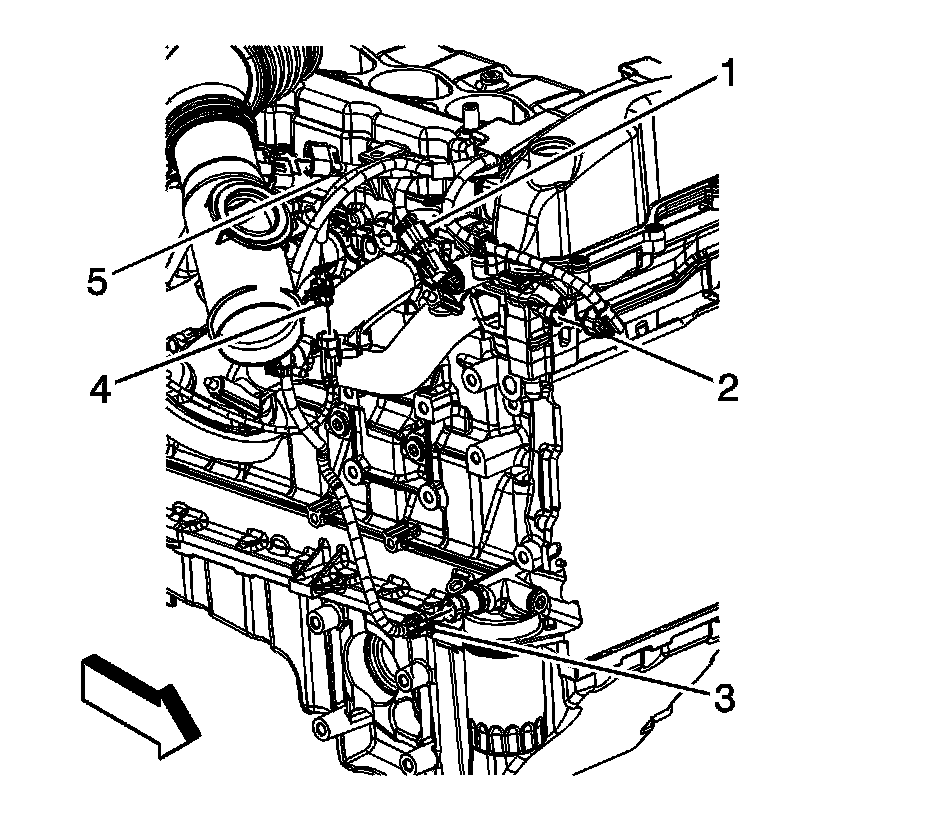
1. Disconnect the engine harness electrical connector (5) from the MAF/IAT sensor.
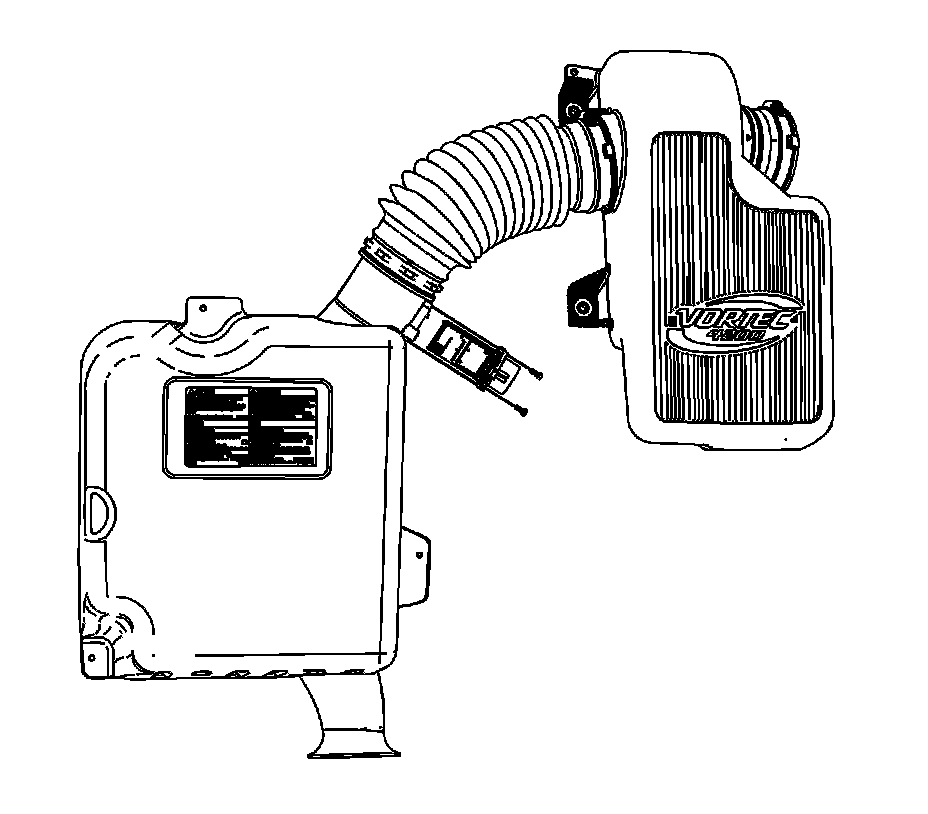
2. Remove the MAF/IAT sensor screws.
3. Remove the MAF/IAT sensor.
Installation Procedure
1. Install the MAF/IAT sensor.
Notice: Refer to Fastener Notice.
2. Install the MAF/IAT sensor screws.
Tighten the screws to 0.6 N.m (5 lb in).
3. Connect the engine harness electrical connector (5) to the MAF/IAT sensor.
Factory Service Tools
Use the Manual With the Right Hardware
Pair factory procedures with proven DIY tools so the instructions are easier to execute.
Disclosure: Verified tool recommendations may earn an affiliate commission at no cost to you.
When to See a Mechanic
Stop DIY work and contact a certified mechanic immediately if any of the following apply:
- • You smell fuel, burning insulation, or see smoke.
- • Brakes feel soft, pull hard to one side, or make grinding noises.
- • The engine overheats, stalls repeatedly, or misfires under load.
- • You are missing required tools, torque specs, or safe lifting equipment.
- • You are not confident in the next step or safety outcome.