
Safety Warning
DIY auto repair can cause serious injury, fire, or vehicle damage. These guides are for informational purposes only. Always follow OEM torque specs, wear PPE, and consult a certified mechanic if you are unsure. You are solely responsible for your safety.
2005 Buick Allure (CANADA) V6-3.6LFACTORY OEM SERVICE PROCEDURE
Body Control Module: Service and Repair
BODY CONTROL MODULE REPLACEMENT
REMOVAL PROCEDURE
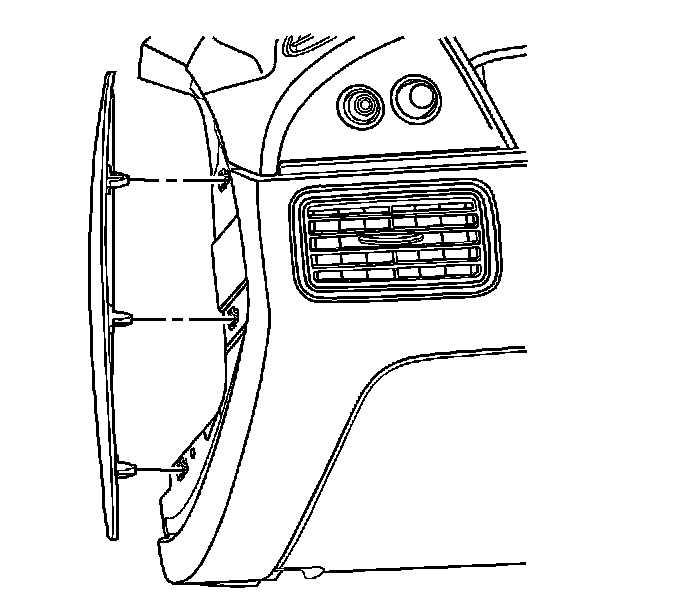
1. Remove the left instrument panel (I/P) outer trim cover.
NOTE: Electrostatic discharge (ESD) can damage many solid-state electrical components. ESD susceptible components may or may not be labeled with the ESD symbol. Handle all electrical components carefully. Use the following precautions in order to avoid ESD damage:
- Touch a metal ground point in order to remove your body's static charge before servicing any electronic component; especially after sliding across the vehicle seat.
- Do not touch exposed terminals. Terminals may connect to circuits susceptible the ESD damage.
- Do not allow tools to contact exposed terminals when servicing connectors.
- Do not remove components from their protective packaging until required to do so.
- Avoid the following actions unless required by the diagnostic procedure:
- Jumpering or grounding of the components or connectors.
- Connecting test equipment probes to components or connectors. Connect the ground lead first when using test probes.
- Ground the protective packaging of any component before opening. Do not rest solid-state components on metal workbenches, or on top of TVs, radios, or other electrical devices.
IMPORTANT: You must perform the new body control module (BCM) setup when replacing the BCM. Refer to Body Control Module (BCM) Programming/RPO Configuration.
2. Press to release the cam lock. Disconnect the upper electrical connector from the BCM.
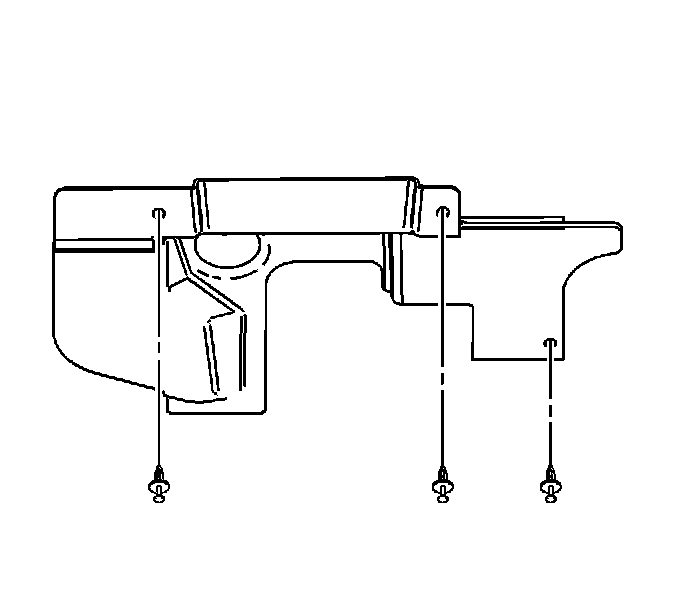
3. Remove the left I/P insulator.
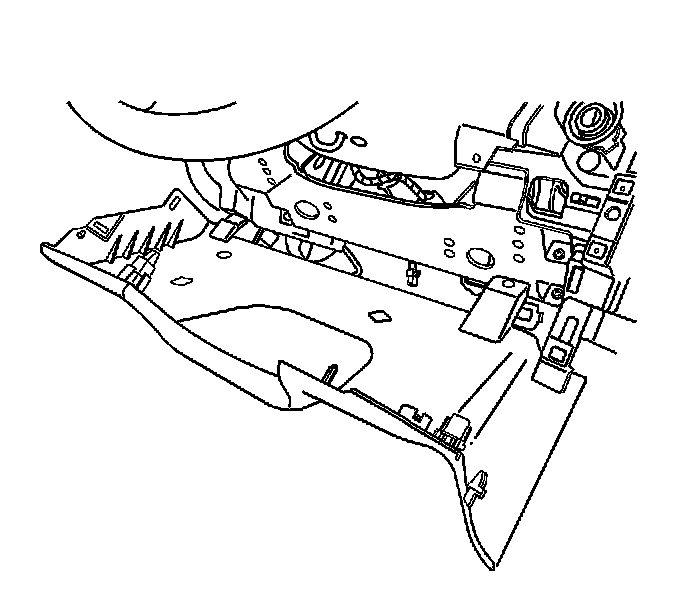
4. Remove the knee bolster.
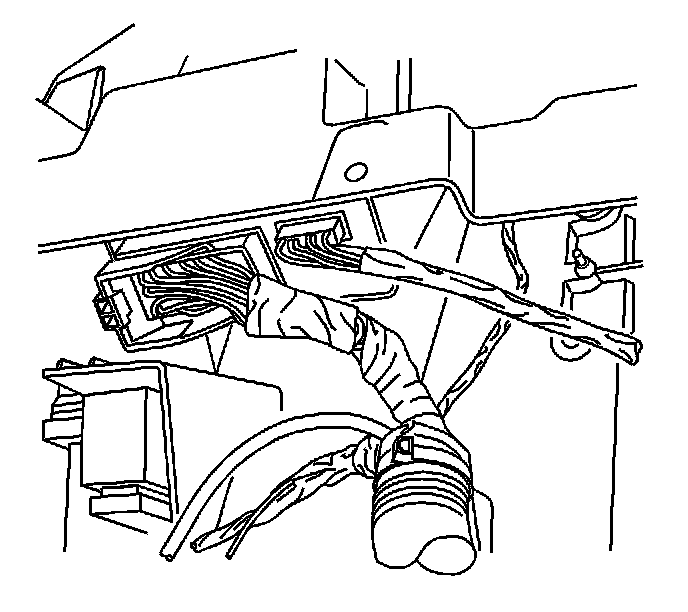
5. Press to release the cam lock. Disconnect the lower BCM electrical connectors.
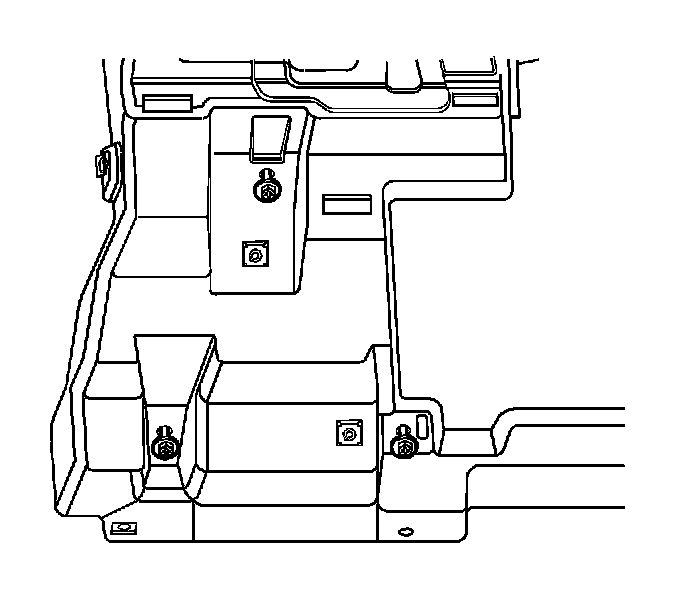
6. Remove the BCM bracket screws and remove the BCM and bracket from the I/P.
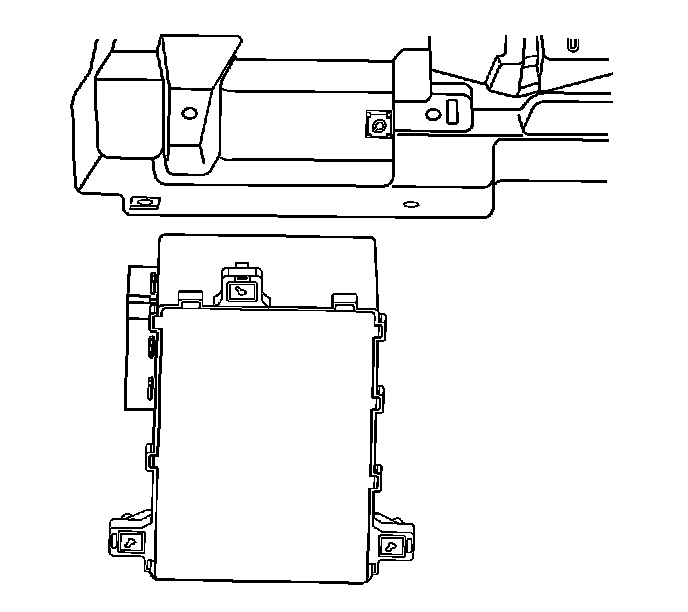
7. Remove the BCM from the BCM bracket.
INSTALLATION PROCEDURE
1. Install the BCM to the BCM bracket.
2. Install the BCM and BCM bracket to the I/P.
3. Install the BCM screws.
NOTE: Refer to Fastener Notice in Service Precautions.
Tighten the screws to 2 N.m (18 lb in).
4. Connect the lower BCM electrical connectors. Engage the cam lock.
5. Install the knee bolster.
6. Install the left I/P insulator.
7. Connect the upper electrical connector to the BCM. Engage the cam lock.
8. Install the left I/P outer trim cover.
9. Perform the new BCM setup. Refer to Body Control Module (BCM) Programming/RPO Configuration. Programming and Relearning
Factory Service Tools
Use the Manual With the Right Hardware
Pair factory procedures with proven DIY tools so the instructions are easier to execute.
Disclosure: Verified tool recommendations may earn an affiliate commission at no cost to you.
When to See a Mechanic
Stop DIY work and contact a certified mechanic immediately if any of the following apply:
- • You smell fuel, burning insulation, or see smoke.
- • Brakes feel soft, pull hard to one side, or make grinding noises.
- • The engine overheats, stalls repeatedly, or misfires under load.
- • You are missing required tools, torque specs, or safe lifting equipment.
- • You are not confident in the next step or safety outcome.
Rather have a pro handle this?
A certified mobile mechanic comes to your home or office. They bring the tools, you stay comfortable. No tow truck, no waiting room, no surprises.
Comes to youSame-day available12-month warranty
Get a Free QuoteNo obligation. See pricing before you book.