
Safety Warning
DIY auto repair can cause serious injury, fire, or vehicle damage. These guides are for informational purposes only. Always follow OEM torque specs, wear PPE, and consult a certified mechanic if you are unsure. You are solely responsible for your safety.
2006 Toyota Sienna AWD V6-3.3L (3MZ-FE)FACTORY OEM SERVICE PROCEDURE
Except Manual A/C
PRECAUTION
NOTE: Because the compressor operates at high voltages, wear electric insulated gloves and pull out the service plug to cut the high-voltage circuit before inspection.
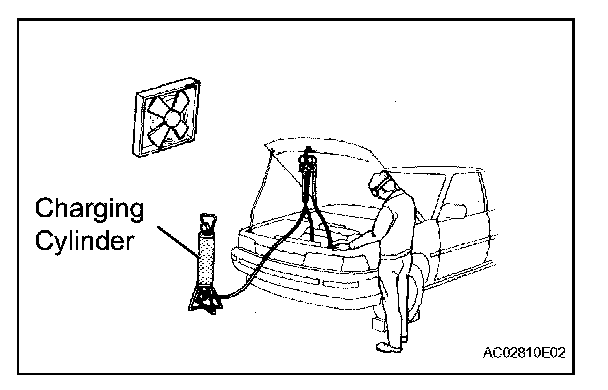
1. DO NOT HANDLE REFRIGERANT IN AN ENCLOSED AREA OR NEAR AN OPEN FLAME.
2. ALWAYS WEAR EYE PROTECTION

3. BE CAREFUL NOT TO GET LIQUID REFRIGERANT IN YOUR EYES OR ON YOUR SKIN
If liquid refrigerant gets in your eyes or on your skin:
a. Wash the area with lots of cold water.
CAUTION: Do not rub your eyes or skin.
b. Apply clean petroleum jelly to the skin.
c. Go immediately to a hospital or see a physician for professional treatment.
4. NEVER HEAT CONTAINER OR EXPOSE IT TO OPEN FLAME
5. BE CAREFUL NOT TO DROP CONTAINER OR APPLY PHYSICAL SHOCKS TO IT
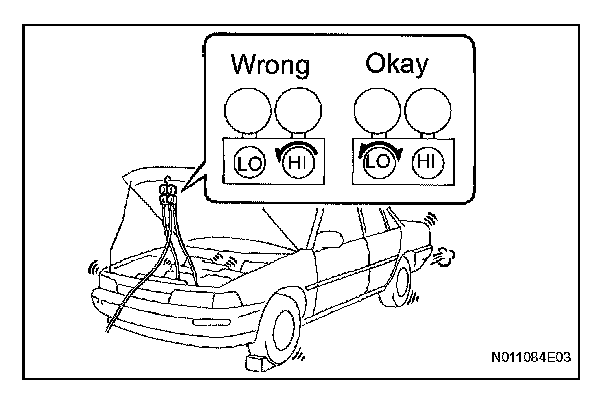
6. DO NOT OPERATE COMPRESSOR WITHOUT ENOUGH REFRIGERANT IN REFRIGERANT SYSTEM
If there is not enough refrigerant in the A/C system, oil lubrication will be insufficient and the compressor may be damaged.
Necessary care should be taken to avoid this.
7. DO NOT OPEN HIGH PRESSURE MANIFOLD VALVE WHILE COMPRESSOR IS OPERATING
Open and close only the low pressure valve. If the high pressure values are opened, refrigerant flows in the reverse direction causing the charging cylinder to rupture.
If the high pressure valve is opened, refrigerant flows in the reverse direction causing the charging cylinder to rupture.
8. BE CAREFUL NOT TO OVERCHARGE SYSTEM WITH REFRIGERANT
If refrigerant is overcharged, it causes problems such as insufficient cooling, poor fuel economy, engine overheating, etc.
9. SUPPLEMENTAL RESTRAINT SYSTEM (SRS)
a. This vehicle is equipped with an SRS (Supplemental Restraint System) such as the driver, front passenger, side, curtain shield air bags etc... Failure to carry out service operation in the correct sequence could cause the SRS to unexpectedly deploy during servicing, possibly leading to a serious accident. Before servicing (including removal or installation of parts, inspection or replacement), be sure to read the precautionary notices at Air Bag Systems; Service Precautions.
10. GENERAL PRECAUTION
a. While using the battery during inspection, do not bring the positive and negative tester probes too close to each other as a short circuit may occur.
NOTE: Because the compressor operates at high voltages, wear electric insulated gloves and pull out the service plug to cut the high-voltage circuit before inspection.
1. DO NOT HANDLE REFRIGERANT IN AN ENCLOSED AREA OR NEAR AN OPEN FLAME.
2. ALWAYS WEAR EYE PROTECTION
3. BE CAREFUL NOT TO GET LIQUID REFRIGERANT IN YOUR EYES OR ON YOUR SKIN
If liquid refrigerant gets in your eyes or on your skin:
a. Wash the area with lots of cold water.
CAUTION: Do not rub your eyes or skin.
b. Apply clean petroleum jelly to the skin.
c. Go immediately to a hospital or see a physician for professional treatment.
4. NEVER HEAT CONTAINER OR EXPOSE IT TO OPEN FLAME
5. BE CAREFUL NOT TO DROP CONTAINER OR APPLY PHYSICAL SHOCKS TO IT
6. DO NOT OPERATE COMPRESSOR WITHOUT ENOUGH REFRIGERANT IN REFRIGERANT SYSTEM
If there is not enough refrigerant in the A/C system, oil lubrication will be insufficient and the compressor may be damaged.
Necessary care should be taken to avoid this.
7. DO NOT OPEN HIGH PRESSURE MANIFOLD VALVE WHILE COMPRESSOR IS OPERATING
Open and close only the low pressure valve. If the high pressure values are opened, refrigerant flows in the reverse direction causing the charging cylinder to rupture.
If the high pressure valve is opened, refrigerant flows in the reverse direction causing the charging cylinder to rupture.
8. BE CAREFUL NOT TO OVERCHARGE SYSTEM WITH REFRIGERANT
If refrigerant is overcharged, it causes problems such as insufficient cooling, poor fuel economy, engine overheating, etc.
9. SUPPLEMENTAL RESTRAINT SYSTEM (SRS)
a. This vehicle is equipped with an SRS (Supplemental Restraint System) such as the driver, front passenger, side, curtain shield air bags etc... Failure to carry out service operation in the correct sequence could cause the SRS to unexpectedly deploy during servicing, possibly leading to a serious accident. Before servicing (including removal or installation of parts, inspection or replacement), be sure to read the precautionary notices at Air Bag Systems; Service Precautions.
10. GENERAL PRECAUTION
a. While using the battery during inspection, do not bring the positive and negative tester probes too close to each other as a short circuit may occur.
Factory Service Tools
Use the Manual With the Right Hardware
Pair factory procedures with proven DIY tools so the instructions are easier to execute.
Disclosure: Verified tool recommendations may earn an affiliate commission at no cost to you.
When to See a Mechanic
Stop DIY work and contact a certified mechanic immediately if any of the following apply:
- • You smell fuel, burning insulation, or see smoke.
- • Brakes feel soft, pull hard to one side, or make grinding noises.
- • The engine overheats, stalls repeatedly, or misfires under load.
- • You are missing required tools, torque specs, or safe lifting equipment.
- • You are not confident in the next step or safety outcome.
Rather have a pro handle this?
A certified mobile mechanic comes to your home or office. They bring the tools, you stay comfortable. No tow truck, no waiting room, no surprises.
Comes to youSame-day available12-month warranty
Get a Free QuoteNo obligation. See pricing before you book.