
Safety Warning
DIY auto repair can cause serious injury, fire, or vehicle damage. These guides are for informational purposes only. Always follow OEM torque specs, wear PPE, and consult a certified mechanic if you are unsure. You are solely responsible for your safety.
2011 Suzuki SX4 2WD L4-2.0LFACTORY OEM SERVICE PROCEDURE
Engine Control Module: Service and Repair
Engine Control Module (ECM) Removal and Installation
NOTE:
The ECM is a precision unit and can be easily damaged.
Handle the ECM carefully and do not expose it to a large shock.
NOTE:
- For vehicle equipped with EVAP leak check system:
If ECM is replaced with new one (VIN data is still not registered) or with used one (VIN data of other vehicle has been registered previously), make sure that re-register VIN data correctly by performing Programming and Relearning VIN Registration (EVAP Leak Check Model).
Otherwise, MIL remains on even after starting engine or it causes the inconsistency between registered VIN data in ECM and actual VIN.
- For vehicle equipped with immobilizer control system:
If ECM is replaced with new one or with another one, make sure to register immobilizer transponder code to ECM correctly according to Procedure after ECM Replacement Procedure after ECM Replacement.
Removal
1) Remove battery. Service and Repair
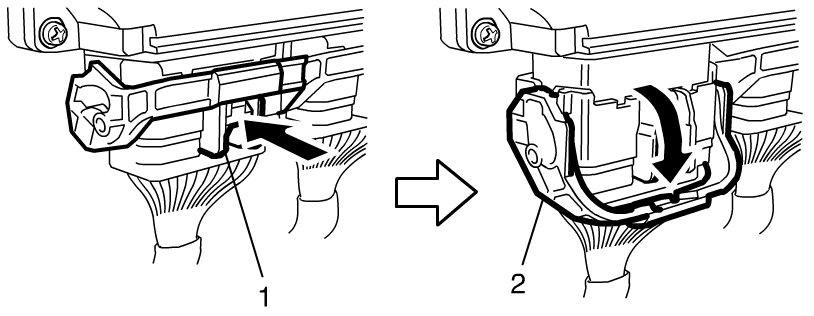
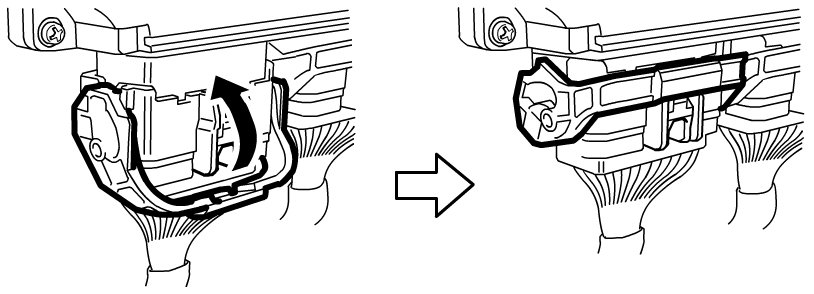
2) Disconnect connectors from ECM as follows.
a) Push lock (1) to release locking of lock lever (2).
b) Turn lock lever to arrow direction until it stops.
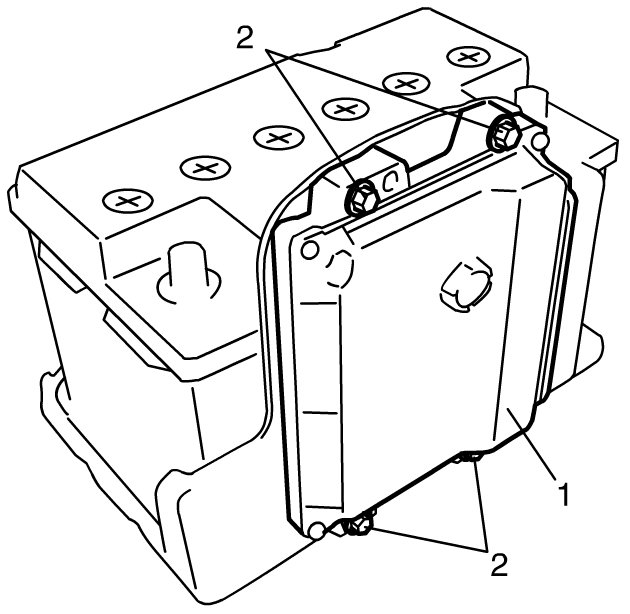
3) Remove battery tray with ECM.
4) Remove ECM (1) from battery tray by removing its mounting nuts (2).
Installation
Reverse removal procedure noting the following:
- Connect connectors to ECM as follows.
a Make sure that lock lever of ECM connector is unlock position.
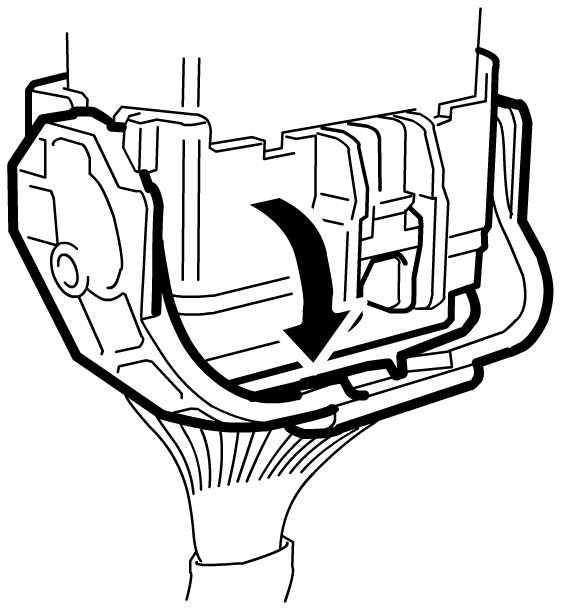
b Insert ECM connectors to ECM until it stops with unlocked lock lever.
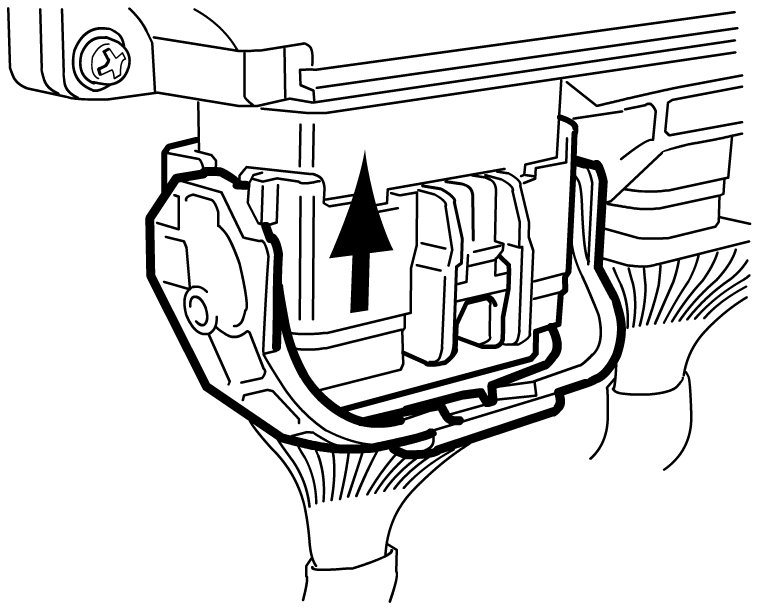
c Lock ECM connectors securely by pulling its lock lever up.
Factory Service Tools
Use the Manual With the Right Hardware
Pair factory procedures with proven DIY tools so the instructions are easier to execute.
Disclosure: Verified tool recommendations may earn an affiliate commission at no cost to you.
When to See a Mechanic
Stop DIY work and contact a certified mechanic immediately if any of the following apply:
- • You smell fuel, burning insulation, or see smoke.
- • Brakes feel soft, pull hard to one side, or make grinding noises.
- • The engine overheats, stalls repeatedly, or misfires under load.
- • You are missing required tools, torque specs, or safe lifting equipment.
- • You are not confident in the next step or safety outcome.