
Safety Warning
DIY auto repair can cause serious injury, fire, or vehicle damage. These guides are for informational purposes only. Always follow OEM torque specs, wear PPE, and consult a certified mechanic if you are unsure. You are solely responsible for your safety.
2003 Subaru Outback F4-2.5L SOHCFACTORY OEM SERVICE PROCEDURE
General
SPECIFICATIONS


Note: STD: Standard I.D.: Inner Diameter O.D.: Outer Diameter US: Undersize OS: Oversize
TIMING BELT
CYLINDER HEAD AND CAMSHAFT
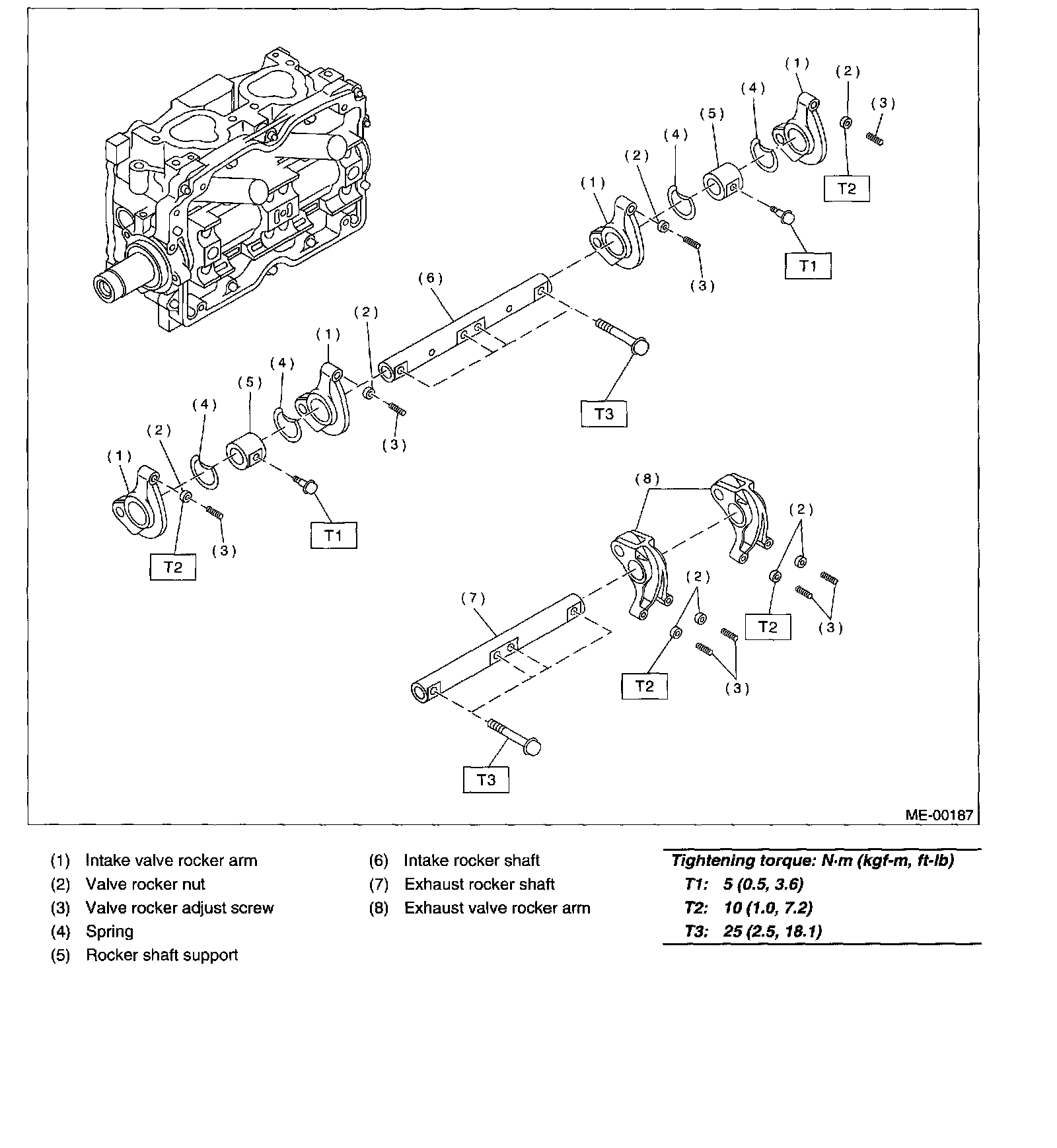
VALVE ROCKER ASSEMBLY

CYLINDER BLOCK
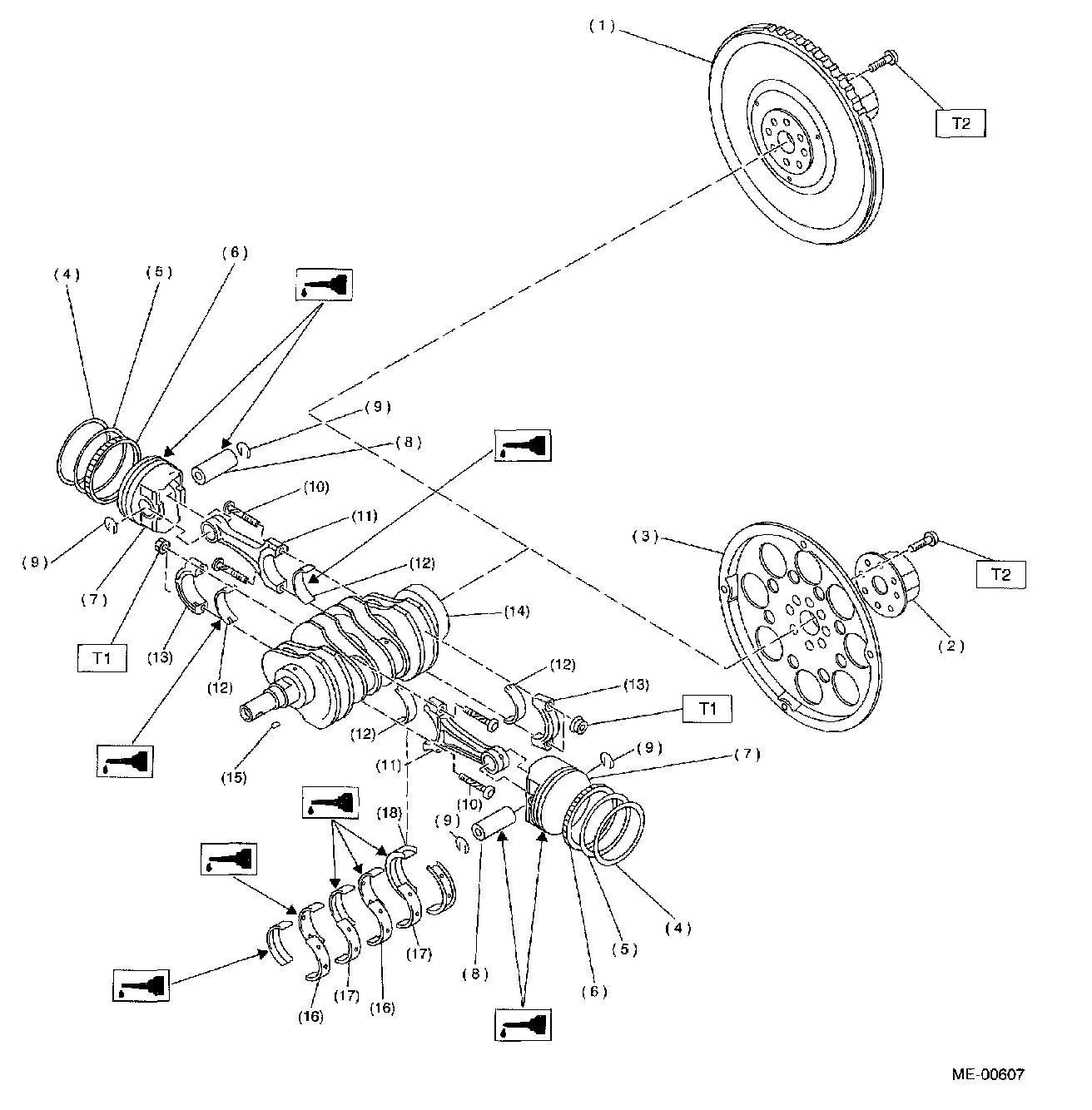
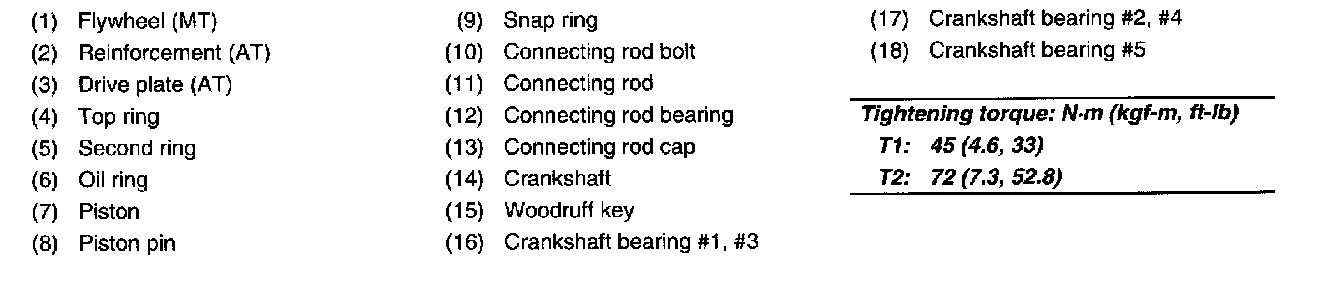
CRANKSHAFT AND PISTON

ENGINE MOUNTING
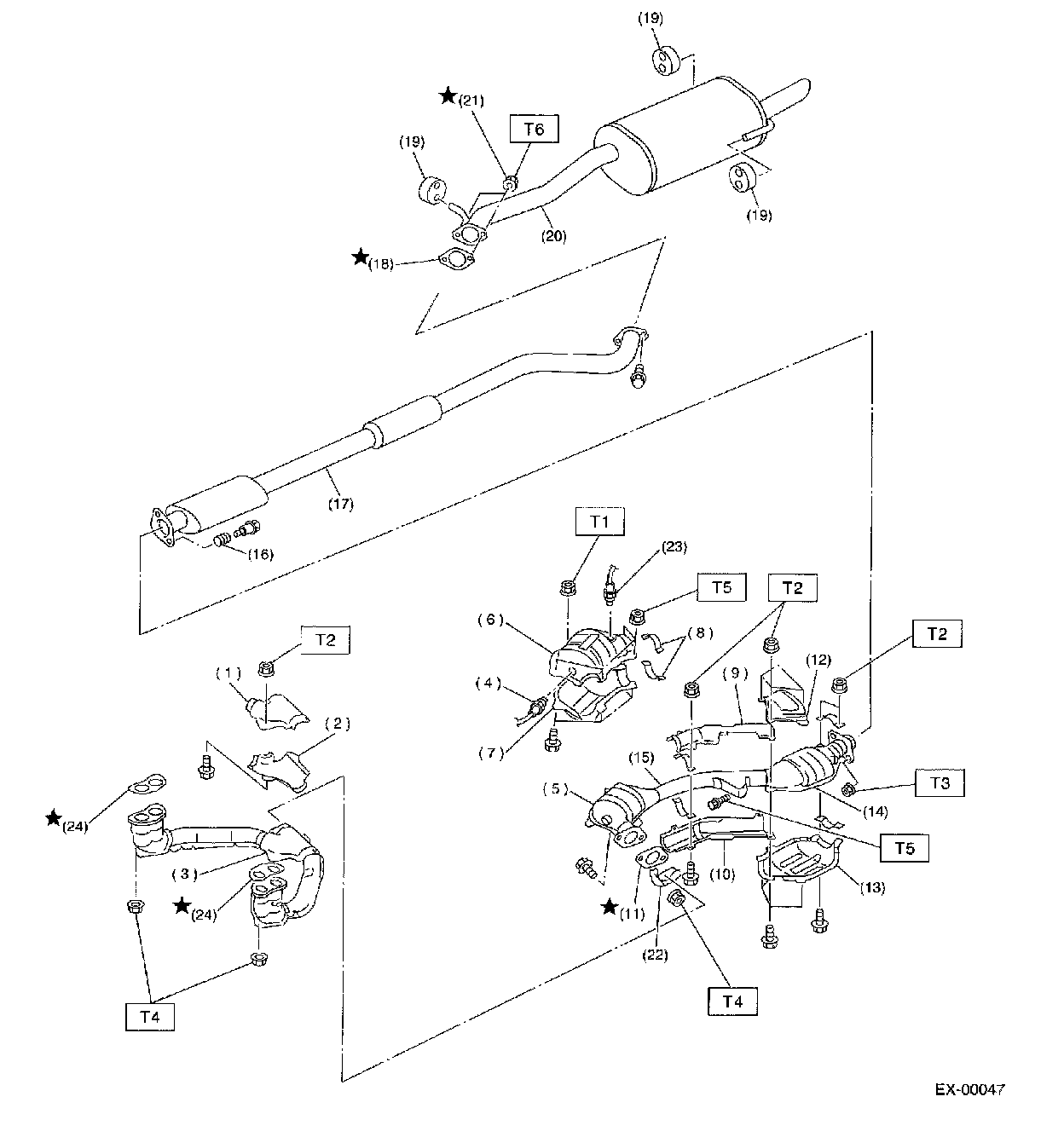

EXHAUST SYSTEM
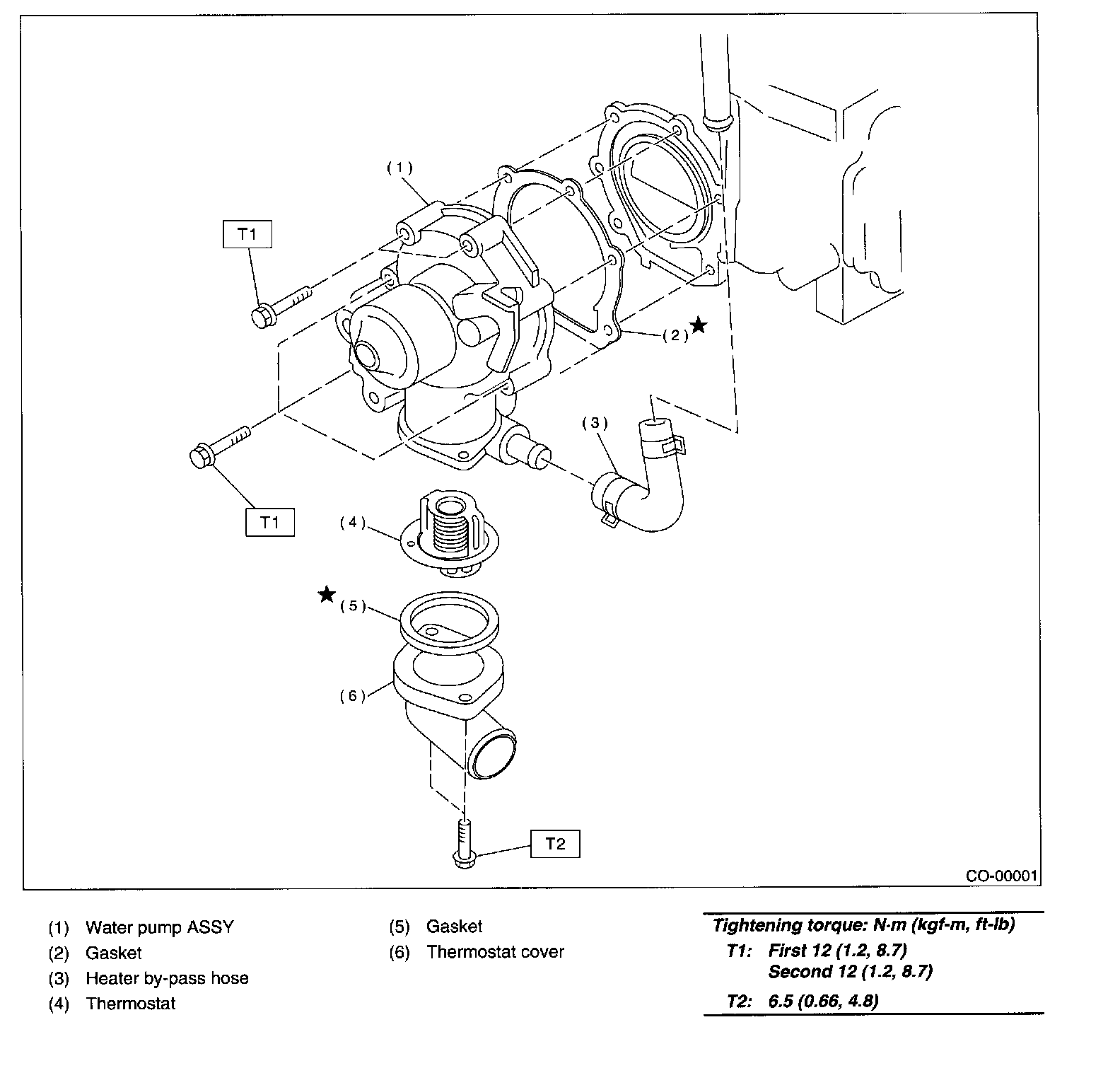
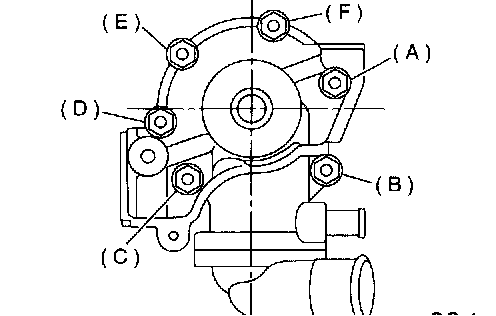
WATER PUMP TORQUE/SEQUENCE
CAMSHAFT BEARING CAPS
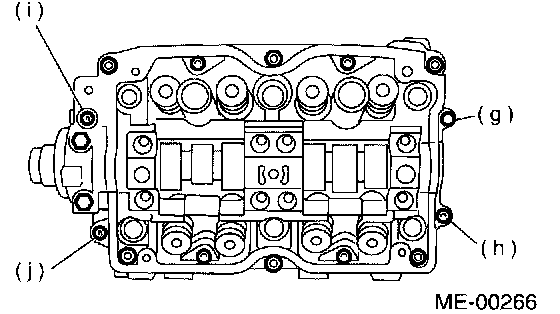
1. Temporarily tighten bolts (g) throught (j) in aiphabetical sequence.
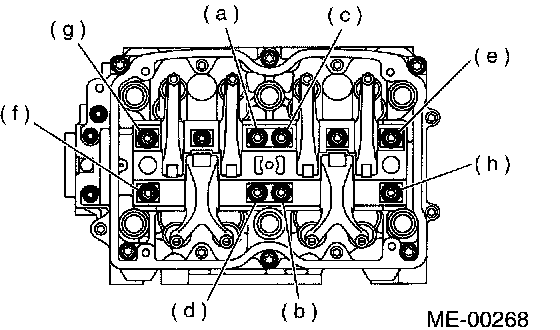
2. Tighten bolts (a) throught (h) in alphabetical sequence. Tightening torque 25 Nm (2.5 kgf-m, 18.1 ft-lb)
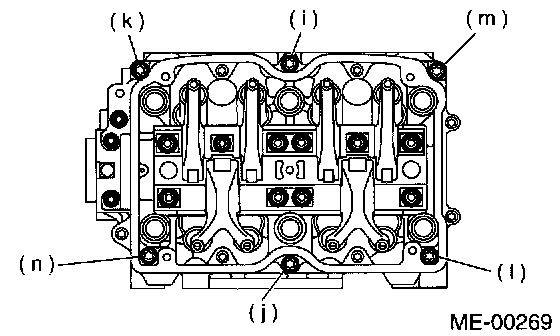
3. Tighten TORX bolts (i) in alphabetical sequence using ST. Tightening torque 18 Nm (1.8 kgf-m, 13.0 ft-lb)

4. Tighten bolts (O) through (v) in alphabetical sequence. Tightening torque 10 Nm, (1.0 kgf-m, 7.2 ft-lbs)

Tighten bolts (w) through (x) in alphabetical sequence. Tightening torque 10 Nm, (1.0 kgf-m, 7.2 ft lb)
For specifications regarding cylinder block connecting bolts, refer to service procedure. Removal and Installation
INTAKE MANIFOLD
Manifold to Cylinder Head 25 Nm (2.5 kgf-m, 18.1 ft-lb)
CRANKSHAFT PULLEY
Initial torque 44 Nm (4.5 kgf-m, 33 ft-lbs)
Final (Second pass) 177 Nm (18.O kgf-m, 130.2 ft-lbs)
OIL PUMP 6.4 Nm (0.65 kgf-m, 4.7 ft-lb)
Note: STD: Standard I.D.: Inner Diameter O.D.: Outer Diameter US: Undersize OS: Oversize
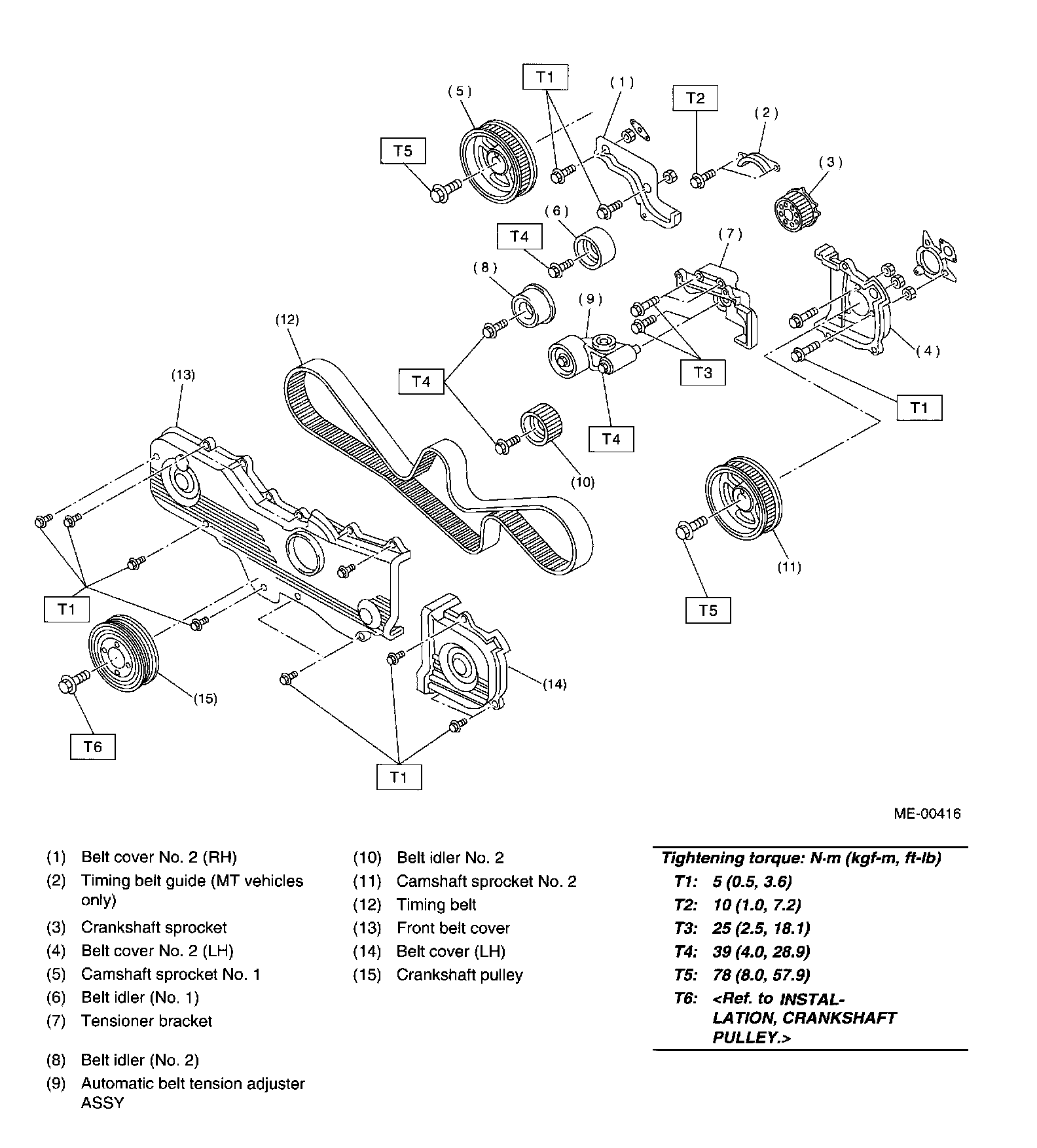
TIMING BELT

CYLINDER HEAD AND CAMSHAFT
VALVE ROCKER ASSEMBLY
CYLINDER BLOCK
CRANKSHAFT AND PISTON
ENGINE MOUNTING
Part 1 Of 2:
Part 2 Of 2:
EXHAUST SYSTEM
WATER PUMP TORQUE/SEQUENCE
CAMSHAFT BEARING CAPS
1. Temporarily tighten bolts (g) throught (j) in aiphabetical sequence.
2. Tighten bolts (a) throught (h) in alphabetical sequence. Tightening torque 25 Nm (2.5 kgf-m, 18.1 ft-lb)
3. Tighten TORX bolts (i) in alphabetical sequence using ST. Tightening torque 18 Nm (1.8 kgf-m, 13.0 ft-lb)
4. Tighten bolts (O) through (v) in alphabetical sequence. Tightening torque 10 Nm, (1.0 kgf-m, 7.2 ft-lbs)
Tighten bolts (w) through (x) in alphabetical sequence. Tightening torque 10 Nm, (1.0 kgf-m, 7.2 ft lb)
For specifications regarding cylinder block connecting bolts, refer to service procedure. Removal and Installation
INTAKE MANIFOLD
Manifold to Cylinder Head 25 Nm (2.5 kgf-m, 18.1 ft-lb)
CRANKSHAFT PULLEY
Initial torque 44 Nm (4.5 kgf-m, 33 ft-lbs)
Final (Second pass) 177 Nm (18.O kgf-m, 130.2 ft-lbs)
OIL PUMP 6.4 Nm (0.65 kgf-m, 4.7 ft-lb)
Factory Service Tools
Use the Manual With the Right Hardware
Pair factory procedures with proven DIY tools so the instructions are easier to execute.
Disclosure: Verified tool recommendations may earn an affiliate commission at no cost to you.
When to See a Mechanic
Stop DIY work and contact a certified mechanic immediately if any of the following apply:
- • You smell fuel, burning insulation, or see smoke.
- • Brakes feel soft, pull hard to one side, or make grinding noises.
- • The engine overheats, stalls repeatedly, or misfires under load.
- • You are missing required tools, torque specs, or safe lifting equipment.
- • You are not confident in the next step or safety outcome.