
Safety Warning
DIY auto repair can cause serious injury, fire, or vehicle damage. These guides are for informational purposes only. Always follow OEM torque specs, wear PPE, and consult a certified mechanic if you are unsure. You are solely responsible for your safety.
2002 Saturn VUE L4-2.2L VIN DFACTORY OEM SERVICE PROCEDURE
Spark Plug: Service and Repair
REMOVAL
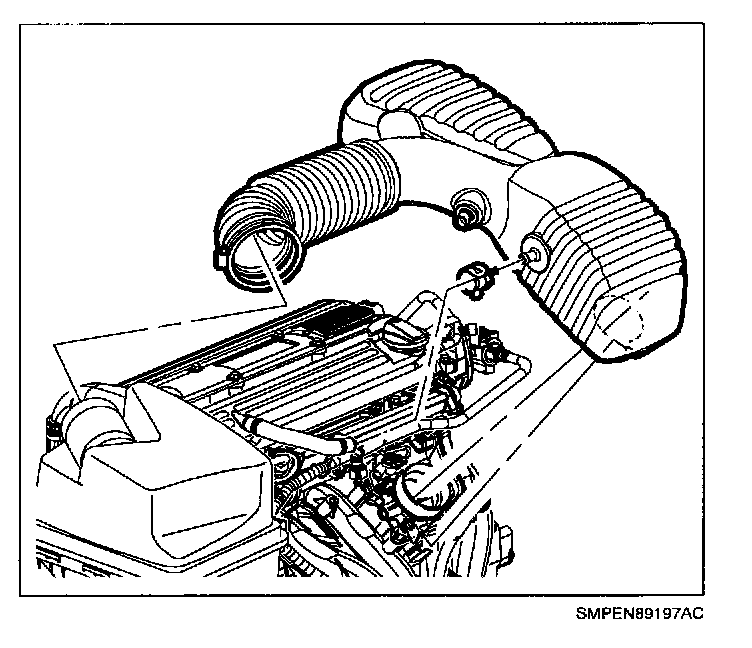
1. Disconnect intake air temperature (IAT) sensor connector.
2. Loosen clamp at air cleaner assembly.
3. Remove push pin attachment from outlet resonator/duct assembly to support bracket.
4. Loosen clamp at throttle body assembly.
5. Disconnect PCV fresh air bent hose at cam cover.
6. Remove outlet resonator/duct assembly.
7. Disconnect EI module electrical connector.
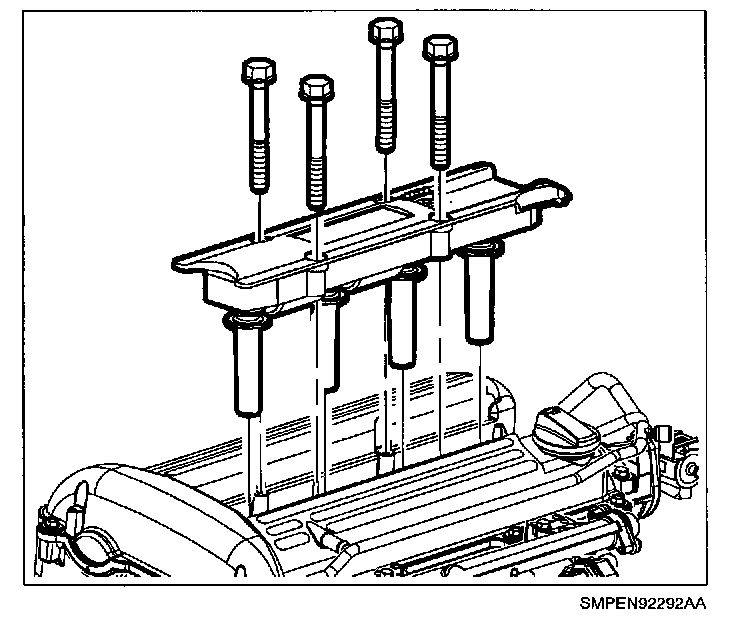
8. Remove ignition module attachment bolts.
9. Remove ignition module housing assembly with spark plug boots from spark plugs.
IMPORTANT: To avoid getting water and debris into the spark plug holes, use compressed air and shop rag to blow out each spark plug hole before plugs are removed.
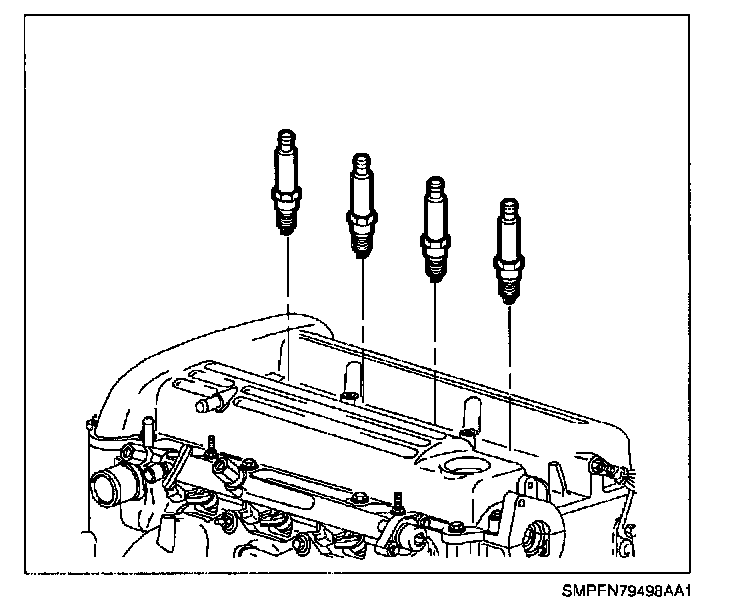
10. Remove spark plugs using a 5/8 in. spark plug socket.
INSTALLATION
NOTE: DO NOT coat spark plug threads with anti-seize compound. If anti-seize compound is used and spark plugs are over-torqued, damage to the cylinder head threads may result.
1. Gap spark plugs.
Spark Plug Gap: 0.45 in.
2. Install spark plugs.
Torque:
Spark Plugs: 20 N.m (15 ft-lbs)
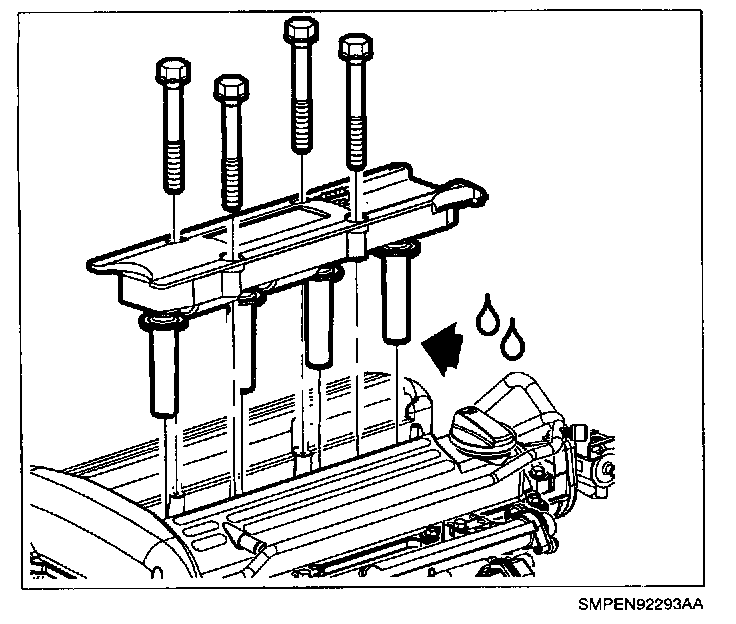
3. Apply dielectric compound to spark plug boots and make sure no corrosion is present.
4. Install ignition module housing assembly with spark plug boots into position.
Torque:
Ignition Module-to-Camshaft Cover Bolts: 10 N.m (89 in-lbs)
5. Connect EI module harness connector. Push in until a click is heard and pull back to confirm a positive engagement.
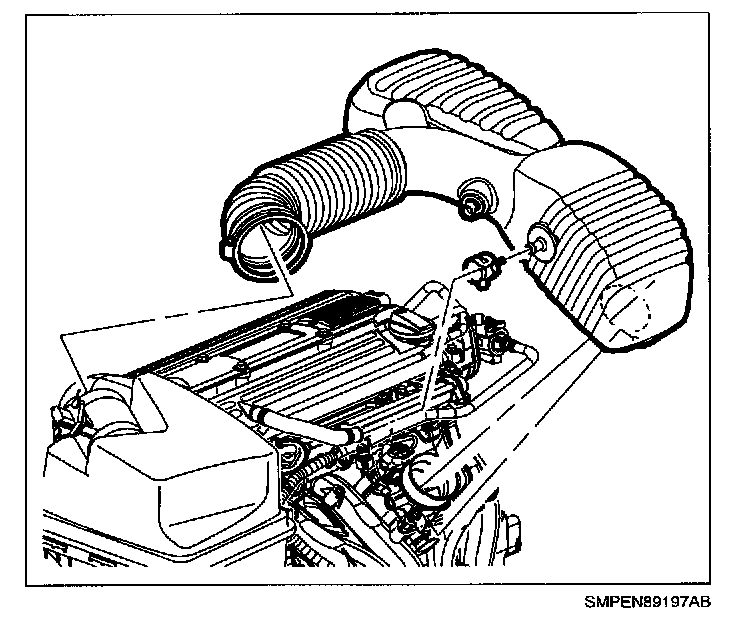
6. Position outlet resonator/duct assembly into position.
7. Connect PCV fresh air vent hose assembly.
8. Tighten clamp at throttle body assembly.
9. Position outlet resonator/duct assembly up with support bracket and install push pin.
10. Tighten clamp at air cleaner assembly.
11. Connect intake air temperature (IAT) sensor connector.
1. Disconnect intake air temperature (IAT) sensor connector.
2. Loosen clamp at air cleaner assembly.
3. Remove push pin attachment from outlet resonator/duct assembly to support bracket.
4. Loosen clamp at throttle body assembly.
5. Disconnect PCV fresh air bent hose at cam cover.
6. Remove outlet resonator/duct assembly.
7. Disconnect EI module electrical connector.
8. Remove ignition module attachment bolts.
9. Remove ignition module housing assembly with spark plug boots from spark plugs.
IMPORTANT: To avoid getting water and debris into the spark plug holes, use compressed air and shop rag to blow out each spark plug hole before plugs are removed.
10. Remove spark plugs using a 5/8 in. spark plug socket.
INSTALLATION
NOTE: DO NOT coat spark plug threads with anti-seize compound. If anti-seize compound is used and spark plugs are over-torqued, damage to the cylinder head threads may result.
1. Gap spark plugs.
Spark Plug Gap: 0.45 in.
2. Install spark plugs.
Torque:
Spark Plugs: 20 N.m (15 ft-lbs)
3. Apply dielectric compound to spark plug boots and make sure no corrosion is present.
4. Install ignition module housing assembly with spark plug boots into position.
Torque:
Ignition Module-to-Camshaft Cover Bolts: 10 N.m (89 in-lbs)
5. Connect EI module harness connector. Push in until a click is heard and pull back to confirm a positive engagement.
6. Position outlet resonator/duct assembly into position.
7. Connect PCV fresh air vent hose assembly.
8. Tighten clamp at throttle body assembly.
9. Position outlet resonator/duct assembly up with support bracket and install push pin.
10. Tighten clamp at air cleaner assembly.
11. Connect intake air temperature (IAT) sensor connector.
Factory Service Tools
Use the Manual With the Right Hardware
Pair factory procedures with proven DIY tools so the instructions are easier to execute.
Disclosure: Verified tool recommendations may earn an affiliate commission at no cost to you.
When to See a Mechanic
Stop DIY work and contact a certified mechanic immediately if any of the following apply:
- • You smell fuel, burning insulation, or see smoke.
- • Brakes feel soft, pull hard to one side, or make grinding noises.
- • The engine overheats, stalls repeatedly, or misfires under load.
- • You are missing required tools, torque specs, or safe lifting equipment.
- • You are not confident in the next step or safety outcome.