
Safety Warning
DIY auto repair can cause serious injury, fire, or vehicle damage. These guides are for informational purposes only. Always follow OEM torque specs, wear PPE, and consult a certified mechanic if you are unsure. You are solely responsible for your safety.
2009 Pontiac Solstice L4-2.0L TurboFACTORY OEM SERVICE PROCEDURE
Fuel Level Sensor: Service and Repair
Fuel Level Sensor Replacement
Removal Procedure
Warning
Fuel Vapors can collect while servicing fuel system parts in enclosed areas such as a trunk. To reduce the risk of fire and increased exposure to vapors:
* Use forced air ventilation such as a fan set outside of the trunk.
* Plug or cap any fuel system openings in order to reduce fuel vapor formation.
* Clean up any spilled fuel immediately.
* Avoid sparks and any source of ignition.
* Use signs to alert others in the work area that fuel system work is in process.
1. Remove the fuel pump module. Refer to Fuel Pump Module Replacement (Service and Repair).
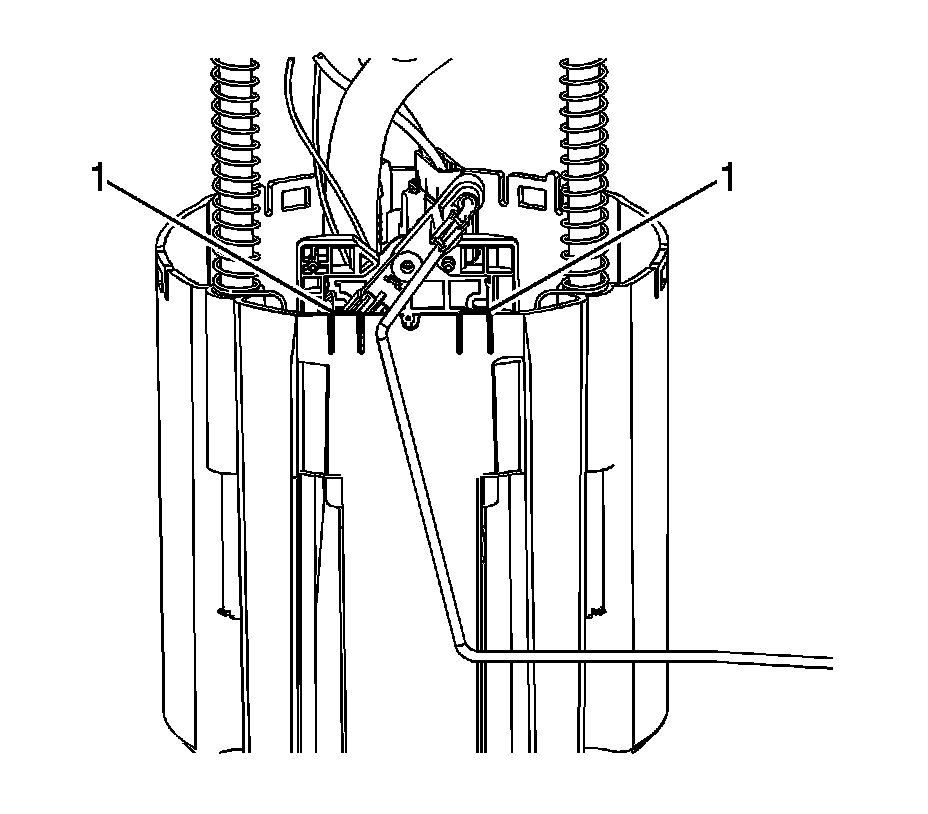
2. Using two flat bladed tools, carefully pull both locking tabs (1) outward while simultaneously lifting the level sensor.
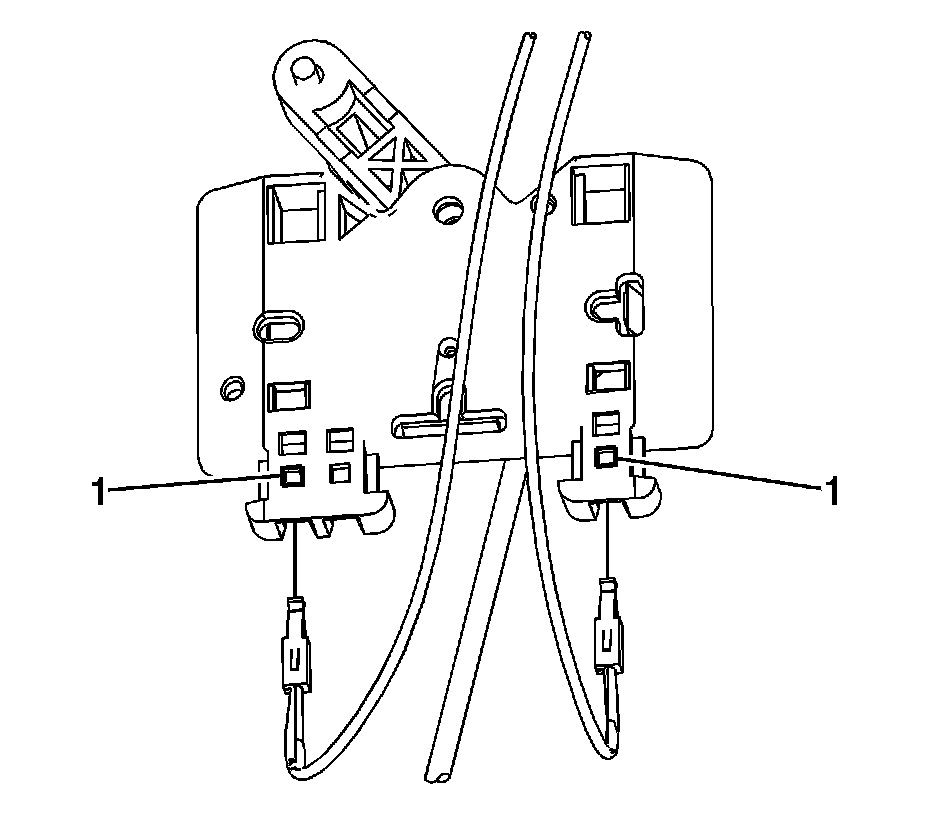
3. Using a small bladed tool, push in the electrical terminals (1) while simultaneously pulling out.
Installation Procedure
1. Push in the electrical terminals (1). Ensure that the electrical terminals attach to the outside holes.
2. Gently tug on the wires to ensure that the terminals are seated and locked into position.
3. Carefully insert the level sensor until the locking tabs (1) snap into the locked position.
4. Ensure that the level sensor wires are not pinched between the module and sensor.
5. Install the fuel pump module. Refer to Fuel Pump Module Replacement (Service and Repair).
Factory Service Tools
Use the Manual With the Right Hardware
Pair factory procedures with proven DIY tools so the instructions are easier to execute.
Disclosure: Verified tool recommendations may earn an affiliate commission at no cost to you.
When to See a Mechanic
Stop DIY work and contact a certified mechanic immediately if any of the following apply:
- • You smell fuel, burning insulation, or see smoke.
- • Brakes feel soft, pull hard to one side, or make grinding noises.
- • The engine overheats, stalls repeatedly, or misfires under load.
- • You are missing required tools, torque specs, or safe lifting equipment.
- • You are not confident in the next step or safety outcome.