
Safety Warning
DIY auto repair can cause serious injury, fire, or vehicle damage. These guides are for informational purposes only. Always follow OEM torque specs, wear PPE, and consult a certified mechanic if you are unsure. You are solely responsible for your safety.
2001 Pontiac Sunfire L4-2.2L VIN 4FACTORY OEM SERVICE PROCEDURE
Three-Way Catalyst Oxygen Storage Capacity
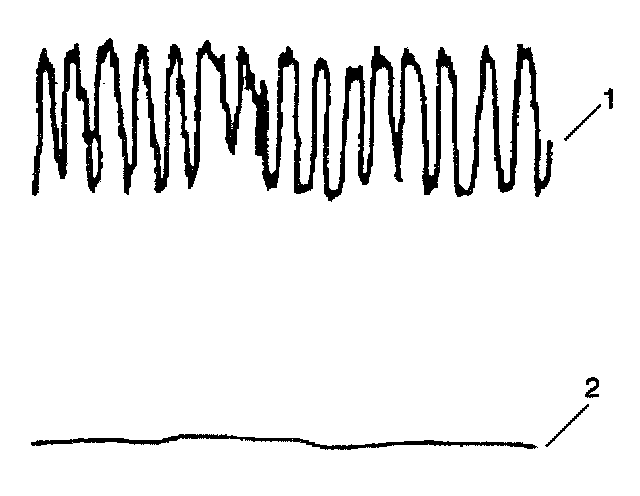
The control module must monitor the Three-way Catalyst (TWC) system for efficiency. In order to accomplish this, the control module monitors the pre-catalyst and post-catalyst oxygen sensors. When the TWC is operating properly, the post-catalyst (2) oxygen sensor will have significantly less activity than the pre-catalyst (1) oxygen sensor. The TWC stores the oxygen as needed during the normal reduction and oxidation process. The TWC releases oxygen as needed during the normal reduction and oxidation process. The control module calculates the oxygen storage capacity using the difference between the pre-catalyst and post-catalyst oxygen sensor voltage levels
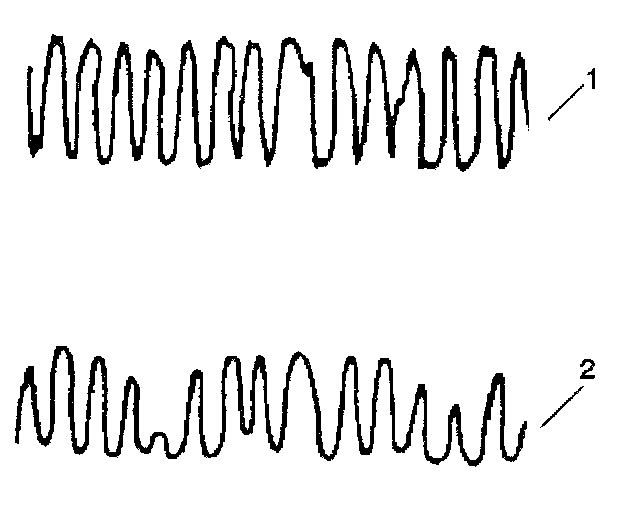
Whenever the voltage levels of the post-catalyst (2) oxygen sensor nears the voltage levels that of the pre-catalyst (1) oxygen sensor, the efficiency of the catalyst is degraded.
Stepped or staged testing levels allow the control module to statistically filter the test information. This prevents falsely passing or falsely failing the oxygen storage capacity test. The calculations performed by the On-Board Diagnostic System are very complex. For this reason, do not use post catalyst oxygen sensor activity in order to determine the oxygen storage capacity unless you are directed to do this by the service information.
Three stages are used in order to monitor catalyst efficiency. Failure of the first stage indicates that the catalyst requires further testing in order to determine catalyst efficiency. Failure of the second stage indicates that the catalyst may be degraded. The third stage then looks more closely at the inputs from the pre and post O2S before determining if the catalyst is indeed degraded. This further statistical processing is done in order to increase the accuracy of the oxygen storage capacity type monitoring. Failing the first (stage 0) or the second (stage 1) test DOES NOT indicate a failed catalyst. The catalyst may be marginal or the fuel sulfur content could be very high.
Aftermarket HO2S characteristics may be different from the original equipment manufacturer sensor. This may lead to a false pass or a false fail of the catalyst monitor diagnostic. Similarly, if an aftermarket catalyst does not contain the same amount of cerium as the original part, the correlation between oxygen storage and conversion efficiency may be altered enough to set a false DTC.
Factory Service Tools
Use the Manual With the Right Hardware
Pair factory procedures with proven DIY tools so the instructions are easier to execute.
Disclosure: Verified tool recommendations may earn an affiliate commission at no cost to you.
When to See a Mechanic
Stop DIY work and contact a certified mechanic immediately if any of the following apply:
- • You smell fuel, burning insulation, or see smoke.
- • Brakes feel soft, pull hard to one side, or make grinding noises.
- • The engine overheats, stalls repeatedly, or misfires under load.
- • You are missing required tools, torque specs, or safe lifting equipment.
- • You are not confident in the next step or safety outcome.