
Safety Warning
DIY auto repair can cause serious injury, fire, or vehicle damage. These guides are for informational purposes only. Always follow OEM torque specs, wear PPE, and consult a certified mechanic if you are unsure. You are solely responsible for your safety.
2000 Pontiac Firefly (CANADA) L3-1.0LFACTORY OEM SERVICE PROCEDURE
Splicing Twisted or Shielded Cable
Twisted/shielded cable is used in order to protect wiring from electrical noise. Two-conductor cable of this construction is used between the radio and the Delco-Bose(R) speaker/amplifier units and other applications where low level, sensitive signals must be carried. Follow the instructions below in order to repair the twisted/shielded cable.
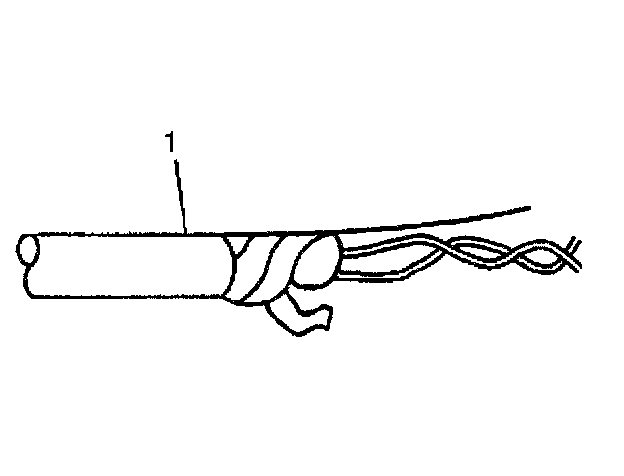
1. Remove the outer jacket (1). Use care not to cut into the drain wire of the mylar tape.
2. Unwrap the tape. Do not remove the tape. Use the tape in order to rewrap the twisted conductors after the splice is made.
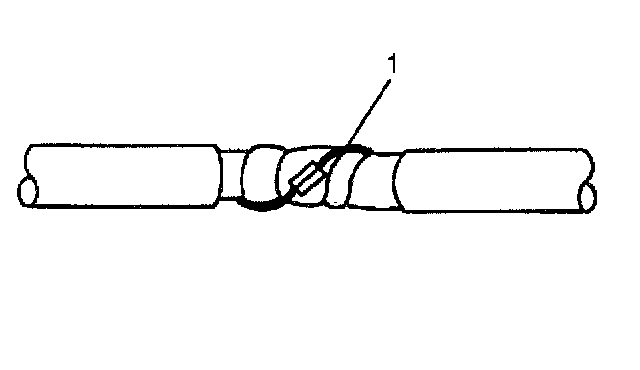
3. Prepare the splice. Untwist the conductors and follow the splicing instructions for copper wire. Staggering the splices by 65 mm is recommended.
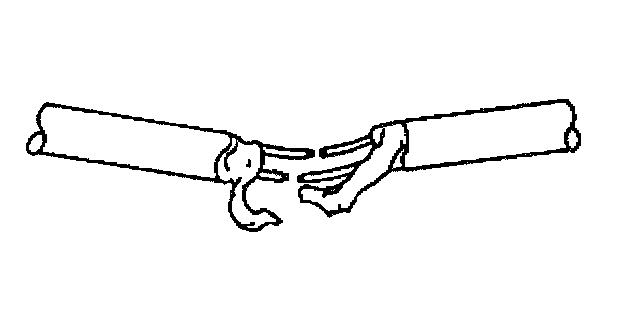
4. Re-assemble the cable.
^ Rewrap the conductors with the mylar tape.
^ Use caution not to wrap the drain wire in the tape (1).
^ Follow the splicing instructions for copper wire and splice the drain wire.
^ Wrap the drain wire around the conductors and tape with mylar tape.
IMPORTANT: Apply the mylar tape with the aluminum side inward. This ensures good electrical contact with the drain wire.
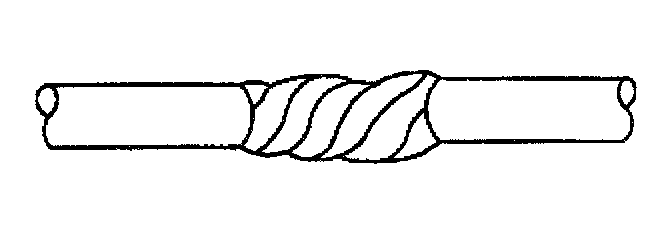
5. Tape over the entire cable. Use a winding motion when you apply the tape.
1. Remove the outer jacket (1). Use care not to cut into the drain wire of the mylar tape.
2. Unwrap the tape. Do not remove the tape. Use the tape in order to rewrap the twisted conductors after the splice is made.
3. Prepare the splice. Untwist the conductors and follow the splicing instructions for copper wire. Staggering the splices by 65 mm is recommended.
4. Re-assemble the cable.
^ Rewrap the conductors with the mylar tape.
^ Use caution not to wrap the drain wire in the tape (1).
^ Follow the splicing instructions for copper wire and splice the drain wire.
^ Wrap the drain wire around the conductors and tape with mylar tape.
IMPORTANT: Apply the mylar tape with the aluminum side inward. This ensures good electrical contact with the drain wire.
5. Tape over the entire cable. Use a winding motion when you apply the tape.
Factory Service Tools
Use the Manual With the Right Hardware
Pair factory procedures with proven DIY tools so the instructions are easier to execute.
Disclosure: Verified tool recommendations may earn an affiliate commission at no cost to you.
When to See a Mechanic
Stop DIY work and contact a certified mechanic immediately if any of the following apply:
- • You smell fuel, burning insulation, or see smoke.
- • Brakes feel soft, pull hard to one side, or make grinding noises.
- • The engine overheats, stalls repeatedly, or misfires under load.
- • You are missing required tools, torque specs, or safe lifting equipment.
- • You are not confident in the next step or safety outcome.