
Safety Warning
DIY auto repair can cause serious injury, fire, or vehicle damage. These guides are for informational purposes only. Always follow OEM torque specs, wear PPE, and consult a certified mechanic if you are unsure. You are solely responsible for your safety.
2007 Mini Cooper Convertible (R52) L4-1.6L (W10)FACTORY OEM SERVICE PROCEDURE
Rear Subframe: Service and Repair
33 31 000 - Removing and installing complete rear axle carrier

Necessary preliminary tasks:
- Remove parking brake Bowden cables Service and Repair
- Remove upper and lower control arms
- If necessary, remove ride height sensor Replacing Rear Ride-Height Sensor
After completing work:
- Bleed brake system.
- Carry out wheel alignment check
COOPER S only:
- Detach rear half of battery main lead
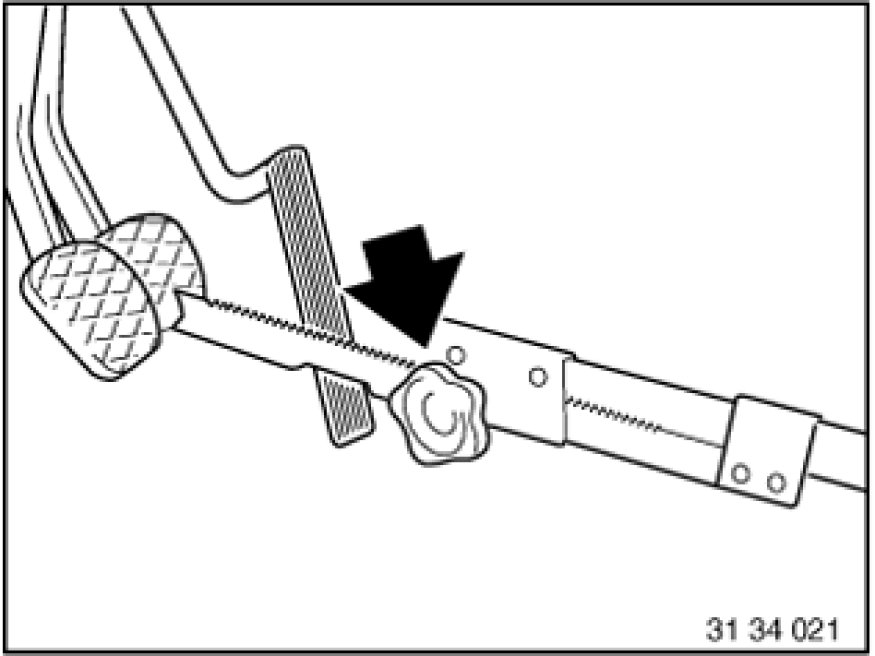
Press clutch pedal down to floor and secure with pedal support.
Note:
The pedal support may only be released when the brake lines are reconnected.
This prevents brake fluid from emerging from the expansion tank and air from entering the system when the brake lines are opened.

Detach brake lines (1).
Installation:
Tightening torque 34 32 1AZ 34 32 Brake Lines.
Release cable for wheel speed sensor from mountings on rear axle carrier.
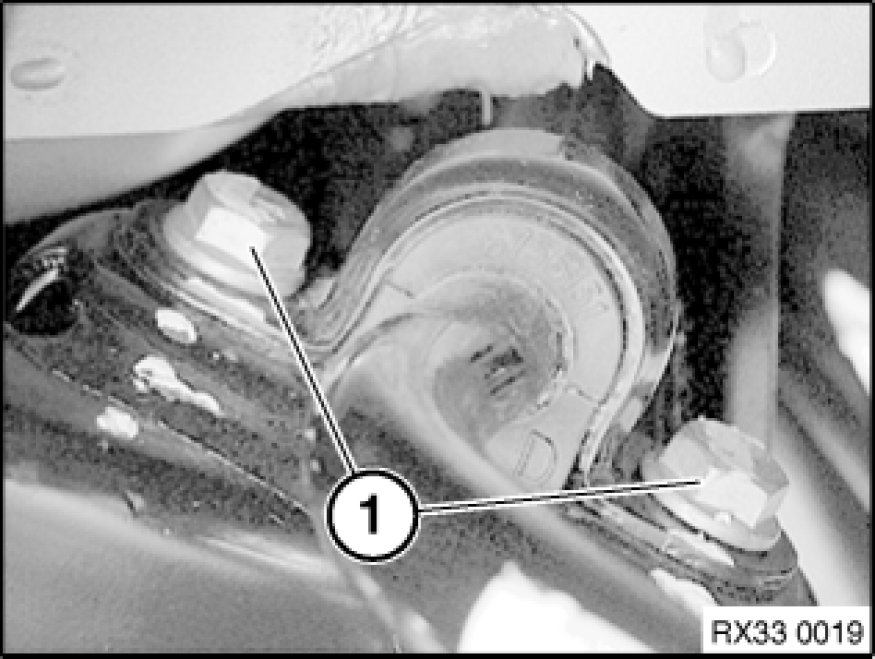
Release screws (1).
Tightening torque 33 55 3AZ Rear Axle - Stabilizer Bar.

Warning!
Support fuel tank and rear axle carrier over a wide surface separately from each other.
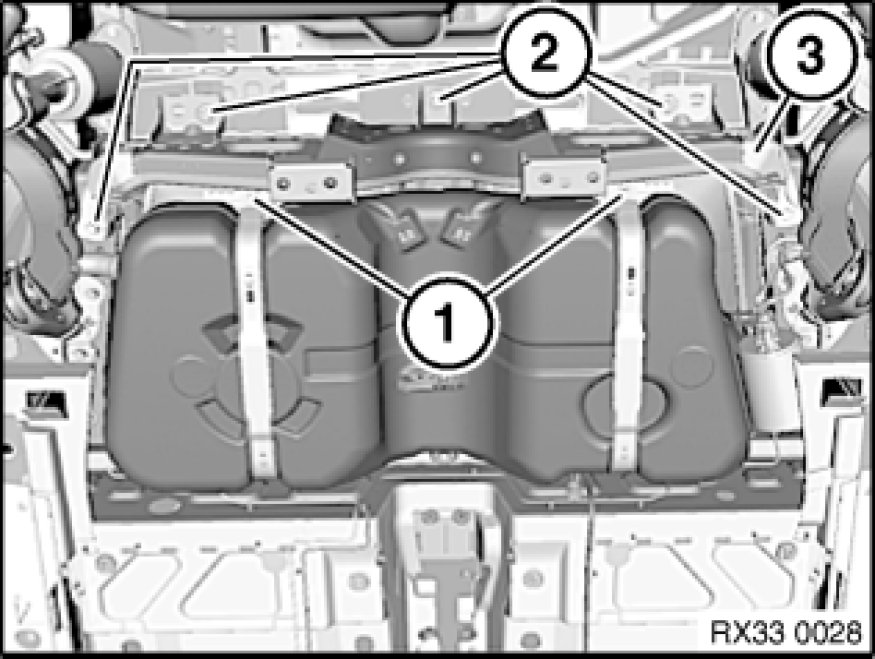
Release screws (1) of rear tank mounting.
Installation:
Tightening torque, 16 11 3AZ 16 11 Fuel Tank and Mounting Parts.
Release screws (2) and remove rear axle carrier (3).
Installation:
Tightening torque, 33 31 1AZ [1][2]Rear Subframe.
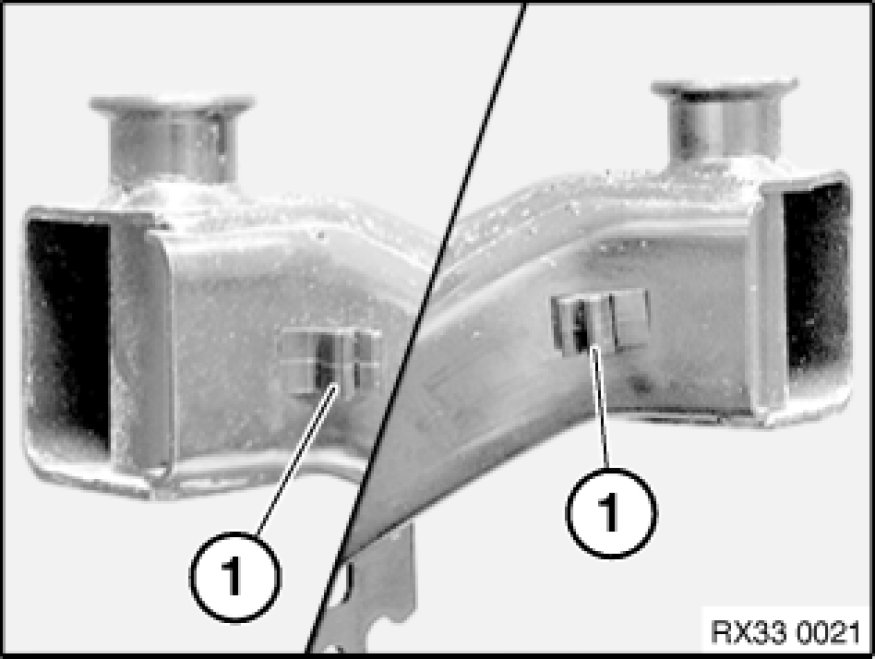
Installation:
Modify brake line clips (1).
Factory Service Tools
Use the Manual With the Right Hardware
Pair factory procedures with proven DIY tools so the instructions are easier to execute.
Disclosure: Verified tool recommendations may earn an affiliate commission at no cost to you.
When to See a Mechanic
Stop DIY work and contact a certified mechanic immediately if any of the following apply:
- • You smell fuel, burning insulation, or see smoke.
- • Brakes feel soft, pull hard to one side, or make grinding noises.
- • The engine overheats, stalls repeatedly, or misfires under load.
- • You are missing required tools, torque specs, or safe lifting equipment.
- • You are not confident in the next step or safety outcome.