
Safety Warning
DIY auto repair can cause serious injury, fire, or vehicle damage. These guides are for informational purposes only. Always follow OEM torque specs, wear PPE, and consult a certified mechanic if you are unsure. You are solely responsible for your safety.
2004 Mini Cooper (R50) L4-1.6L (W10)FACTORY OEM SERVICE PROCEDURE
Procedures
ENGINE OIL
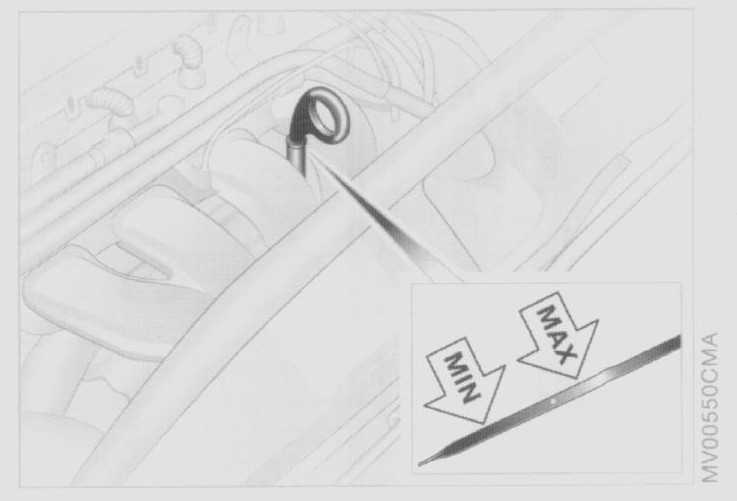
Checking Oil Level
As with fuel economy, oil consumption is directly influenced by your driving style and vehicle operating conditions.
For this reason, check the oil level regularly, around every 600 miles (1000 km), and earlier if the vehicle is subjected to tough operating conditions.
Most Precise Reading
- With engine cold, before starting
- With warm engine after approx. 5 minutes draining period in which the oil can collect in the oil pan.
Measuring the oil level
1. Park the vehicle on a level surface.
2. Pull the dipstick out and wipe it off with a clean lint-free cloth, paper towel, or similar material.
3. Carefully push the dipstick all the way into the guide tube and pull it out again.
the oil level should be between the two graduations on the dipstick.
As with fuel economy, oil consumption is directly influenced by your driving style and vehicle operating conditions.
the oil volume between the two marks on the dipstick ("MIN","MAX") corresponds to approx. 1.1 US quarts (1 liter). Do not fill beyond the upper notch on the dipstick. Excess oil will damage the engine.
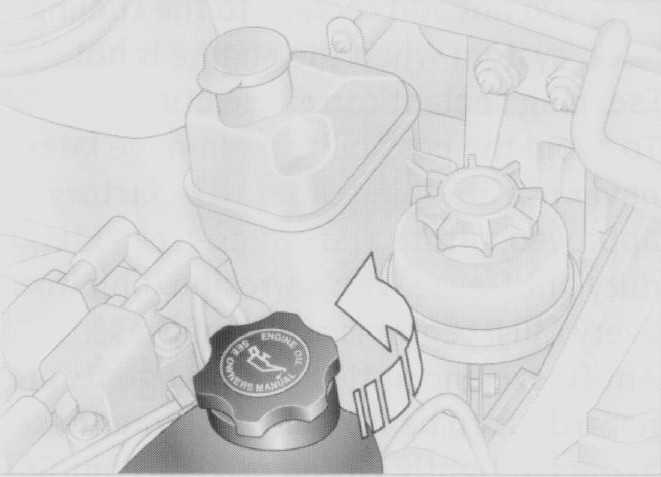
Adding Engine Oil:
Only top up oil when the oil level has dropped to just above the lower notch of the dipstick, but before it goes below this mark.
NOTE: MINI engines are designed to operate without oil additives; the use of additives could lead to damage in some cases. This also applies for the manual transmission, automatic transmission, and the differential.
Checking Oil Level
As with fuel economy, oil consumption is directly influenced by your driving style and vehicle operating conditions.
For this reason, check the oil level regularly, around every 600 miles (1000 km), and earlier if the vehicle is subjected to tough operating conditions.
Most Precise Reading
- With engine cold, before starting
- With warm engine after approx. 5 minutes draining period in which the oil can collect in the oil pan.
Measuring the oil level
1. Park the vehicle on a level surface.
2. Pull the dipstick out and wipe it off with a clean lint-free cloth, paper towel, or similar material.
3. Carefully push the dipstick all the way into the guide tube and pull it out again.
the oil level should be between the two graduations on the dipstick.
As with fuel economy, oil consumption is directly influenced by your driving style and vehicle operating conditions.
the oil volume between the two marks on the dipstick ("MIN","MAX") corresponds to approx. 1.1 US quarts (1 liter). Do not fill beyond the upper notch on the dipstick. Excess oil will damage the engine.
Adding Engine Oil:
Only top up oil when the oil level has dropped to just above the lower notch of the dipstick, but before it goes below this mark.
NOTE: MINI engines are designed to operate without oil additives; the use of additives could lead to damage in some cases. This also applies for the manual transmission, automatic transmission, and the differential.
Factory Service Tools
Use the Manual With the Right Hardware
Pair factory procedures with proven DIY tools so the instructions are easier to execute.
Disclosure: Verified tool recommendations may earn an affiliate commission at no cost to you.
When to See a Mechanic
Stop DIY work and contact a certified mechanic immediately if any of the following apply:
- • You smell fuel, burning insulation, or see smoke.
- • Brakes feel soft, pull hard to one side, or make grinding noises.
- • The engine overheats, stalls repeatedly, or misfires under load.
- • You are missing required tools, torque specs, or safe lifting equipment.
- • You are not confident in the next step or safety outcome.