
Safety Warning
DIY auto repair can cause serious injury, fire, or vehicle damage. These guides are for informational purposes only. Always follow OEM torque specs, wear PPE, and consult a certified mechanic if you are unsure. You are solely responsible for your safety.
2012 Mazda 6 L4-2.5LFACTORY OEM SERVICE PROCEDURE
Control Module: Testing and Inspection
TCM INSPECTION [FS5A-EL]
CAUTION:
- Water or foreign objects entering the connector can cause a poor connection or corrosion. Be sure not to drop water or foreign objects on the connector when disconnecting it.
NOTE:
- The TCM terminal voltage can vary with conditions when measuring and changes due to age deterioration on the vehicle, causing false diagnosis. Therefore a comprehensive inspection of the input and output systems, and the TCM is necessary to determine where the malfunction occurs.
1. Disconnect the negative battery cable.
2. Remove the TCM. Service and Repair
3. Connect the TCM connector.
4. Connect the negative battery cable.
5. Connect the voltmeter (-) lead to body GND.
6. Measure the voltage at each terminal.
- If any incorrect voltage is detected, inspect the related system(s), wiring harnesses and connector(s) referring to the "Inspection Item" column in the "TCM Terminal Voltage".
TCM Terminal Voltage (Reference)
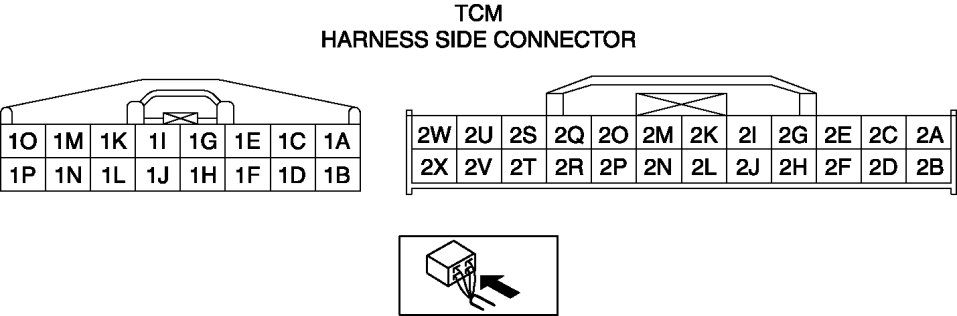
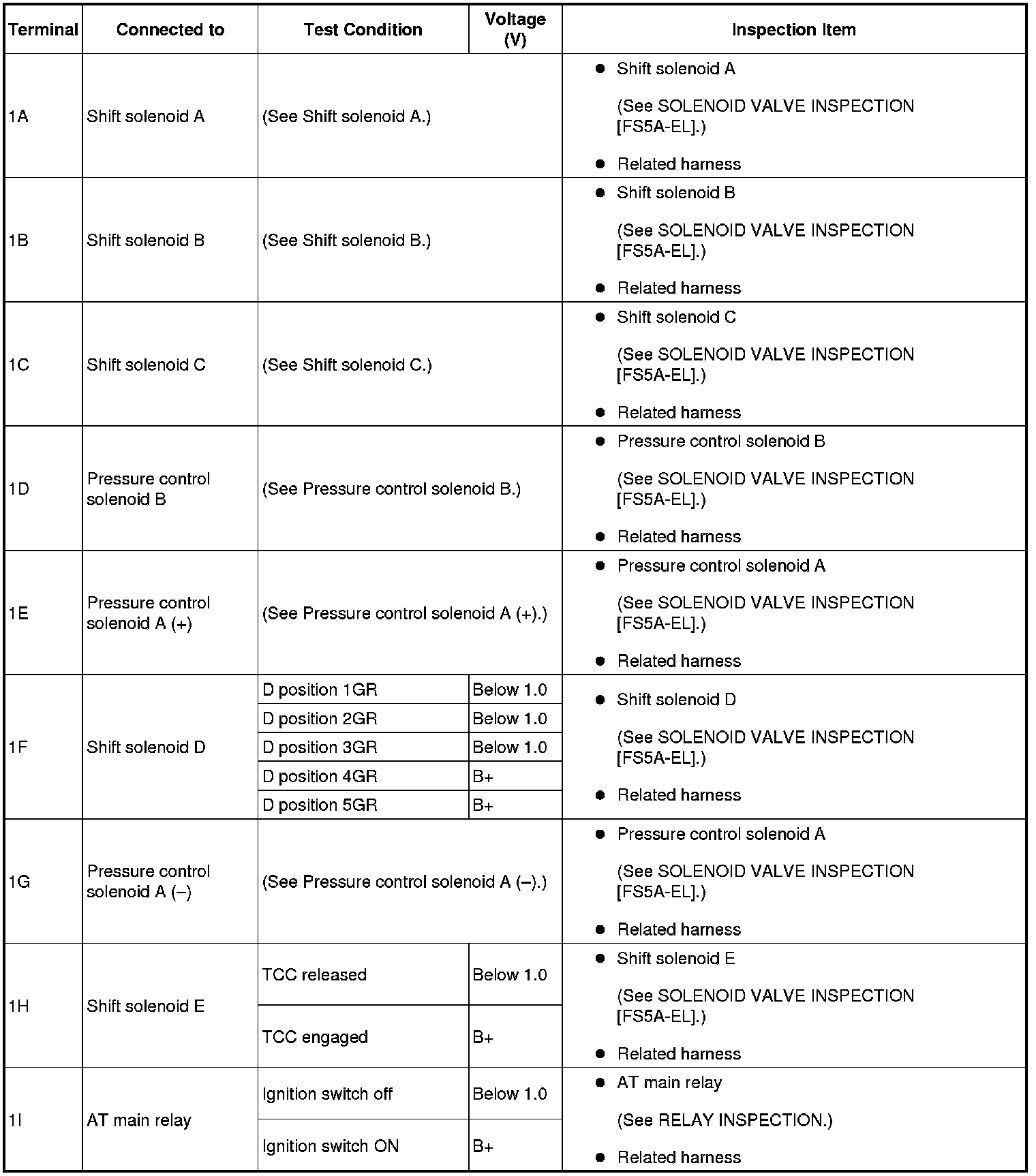
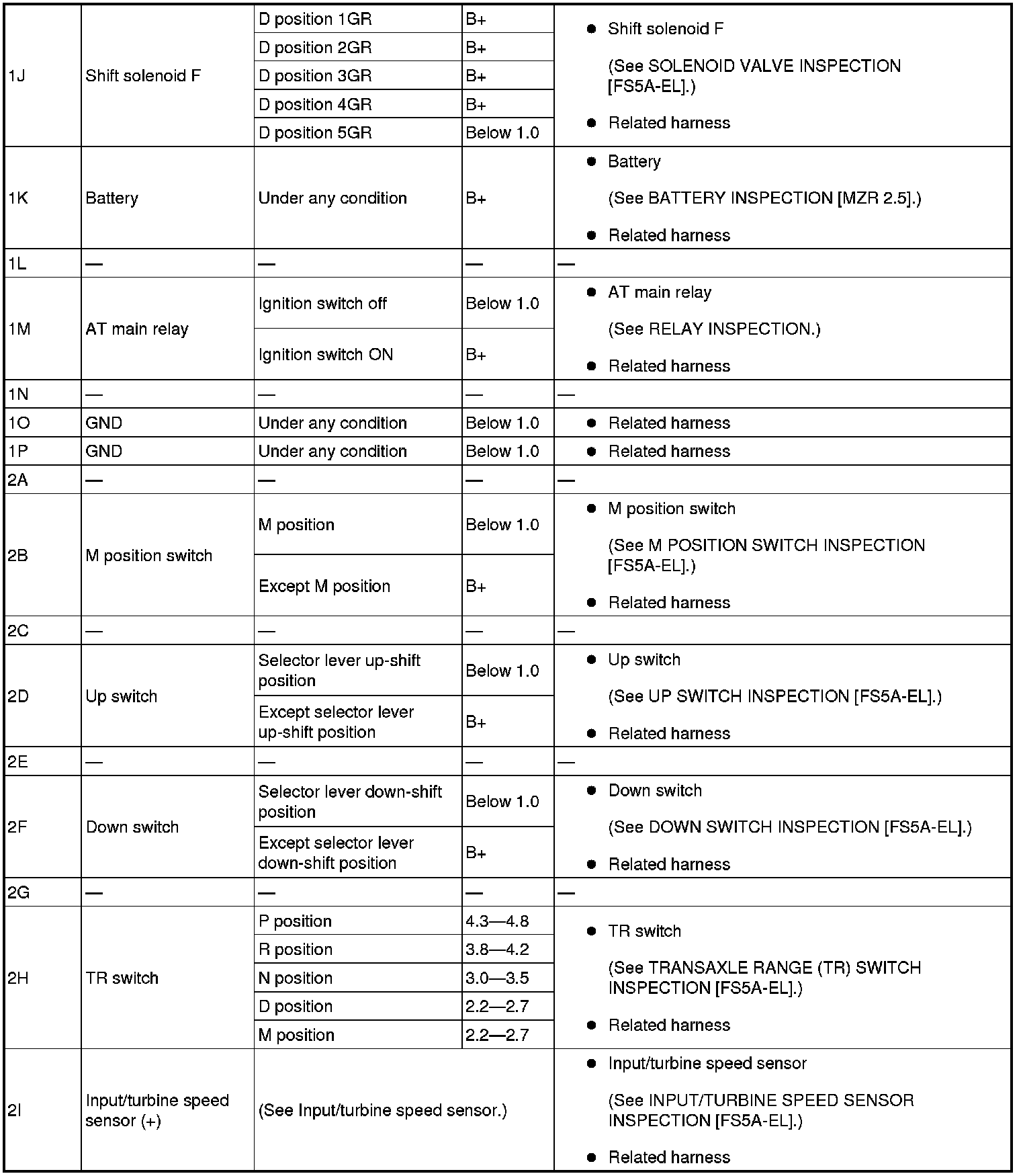
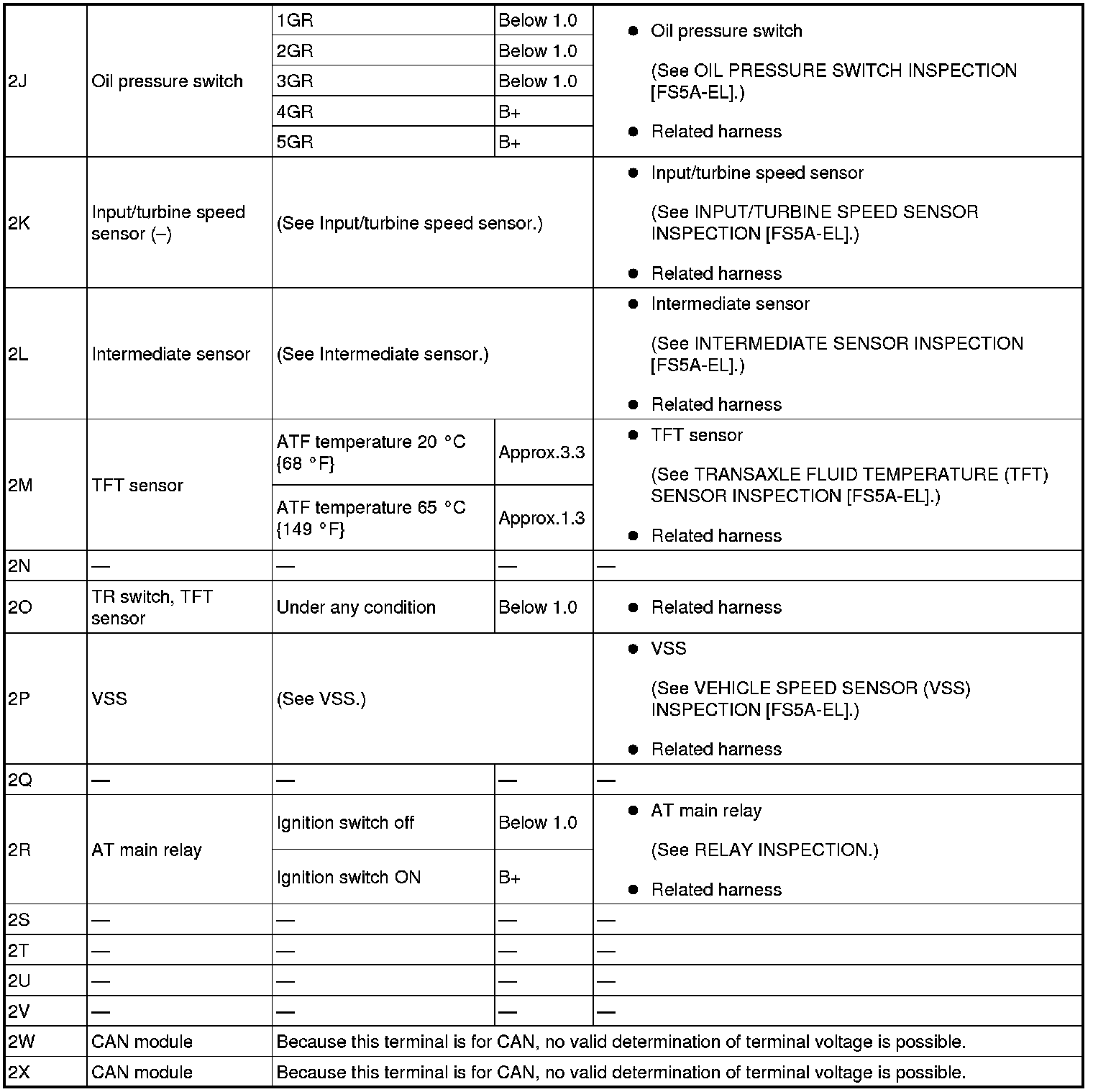
Input/Output Wave From (Reference)
Shift solenoid A
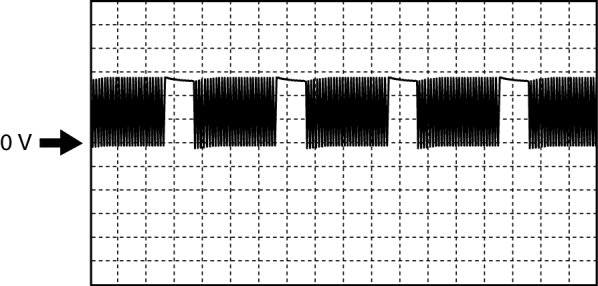
- TCM terminals
1A (+)-body GND (-)
- Oscilloscope setting
5 V/DIV (Y), 5 ms/DIV (X), DC range
- Test Condition
D position 4GR
Shift solenoid B
- TCM terminals
1B (+)-body GND (-)
- Oscilloscope setting
5 V/DIV (Y), 5 ms/DIV (X), DC range
- Test Condition
D position 1GR
Shift solenoid C
- TCM terminals
1C (+)-body GND (-)
- Oscilloscope setting
5 V/DIV (Y), 5 ms/DIV (X), DC range
- Test Condition
D position 1GR
Pressure control solenoid B

- TCM terminals
1D (+)-body GND (-)
- Oscilloscope setting
5 V/DIV (Y), 5 ms/DIV (X), DC range
- Test Condition
Shifting from 4GR to 5GR or from 5GR to 4GR
Pressure control solenoid A (+)
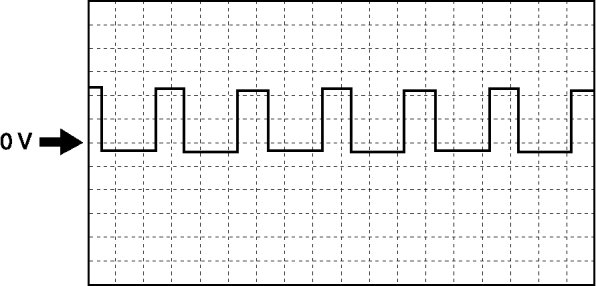
- TCM terminals
1E (+)-body GND (-)
- Oscilloscope setting
5 V/DIV (Y), 1 ms/DIV (X), DC range
- Test Condition
The following conditions are met:
- Ignition switch ON (engine off)
- P position
- Accelerator pedal fully depressed
Pressure control solenoid A (-)
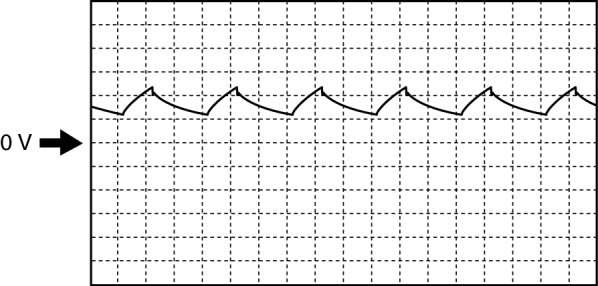
- TCM terminals
1G (+)-body GND (-)
- Oscilloscope setting
200 mV/DIV (Y), 1 ms/DIV (X), DC range
- Test Condition
The following conditions are met:
- Ignition switch ON (engine off)
- P position
- Accelerator pedal fully depressed
Input/turbine speed sensor
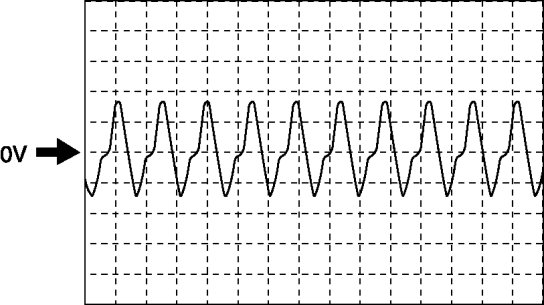
- TCM terminals
2I (+)-2K (-)
- Oscilloscope setting
1 V/DIV (Y), 2 ms/DIV (X), DC range
- Test Condition
Idle at P position after warm-up
Intermediate sensor
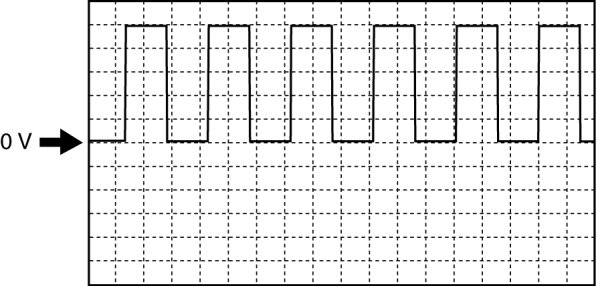
- TCM terminals
2L (+)-body GND (-)
- Oscilloscope setting
1 V/DIV (Y), 200 Microsecond/DIV (X), DC range
- Test Condition
The following conditions are met:
- Vehicle speed: 30 km/h {19 mph}
- Gear position: 3GR
VSS
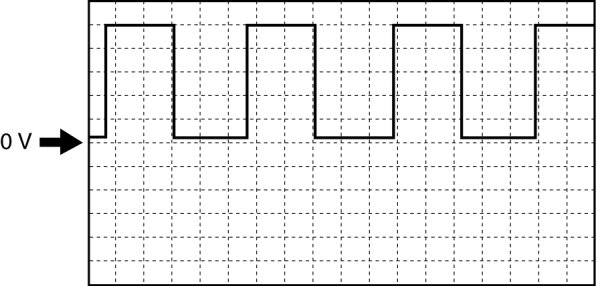
- TCM terminals
2P (+)-body GND (-)
- Oscilloscope setting
1 V/DIV (Y), 2 ms/DIV (X), DC range
- Test Condition
The following conditions are met:
- Vehicle speed: 30 km/h {19 mph}
- Gear position: 3GR
Factory Service Tools
Use the Manual With the Right Hardware
Pair factory procedures with proven DIY tools so the instructions are easier to execute.
Disclosure: Verified tool recommendations may earn an affiliate commission at no cost to you.
When to See a Mechanic
Stop DIY work and contact a certified mechanic immediately if any of the following apply:
- • You smell fuel, burning insulation, or see smoke.
- • Brakes feel soft, pull hard to one side, or make grinding noises.
- • The engine overheats, stalls repeatedly, or misfires under load.
- • You are missing required tools, torque specs, or safe lifting equipment.
- • You are not confident in the next step or safety outcome.