
Safety Warning
DIY auto repair can cause serious injury, fire, or vehicle damage. These guides are for informational purposes only. Always follow OEM torque specs, wear PPE, and consult a certified mechanic if you are unsure. You are solely responsible for your safety.
2012 Mazda 6 L4-2.5LFACTORY OEM SERVICE PROCEDURE
Engine Controls - Mass Air Flow (MAF) Sensor Inspection
Bulletin No: 01-009/12
Last Issued: 03/12/2012
Subject:
MASS AIR FLOW (MAF) SENSOR INSPECTION PROCEDURE

BULLETIN NOTE
APPLICABLE MODEL(S)/VINS
2011-2013 Mazda22009-2013 Mazda6
2012-2013 Mazda32007-2012 Mazda CX-7
2012-2013 Mazda52006-2013 Mazda MX-5
DESCRIPTION
A recent Parts investigation has revealed that some non-defective mass air flow (MAF) sensors have been replaced as a result of improper inspection. In order to prevent this, the following inspection procedure has
been developed.
INSPECTION PROCEDURE
1. Connect the M-MDS, then turn the ignition ON.
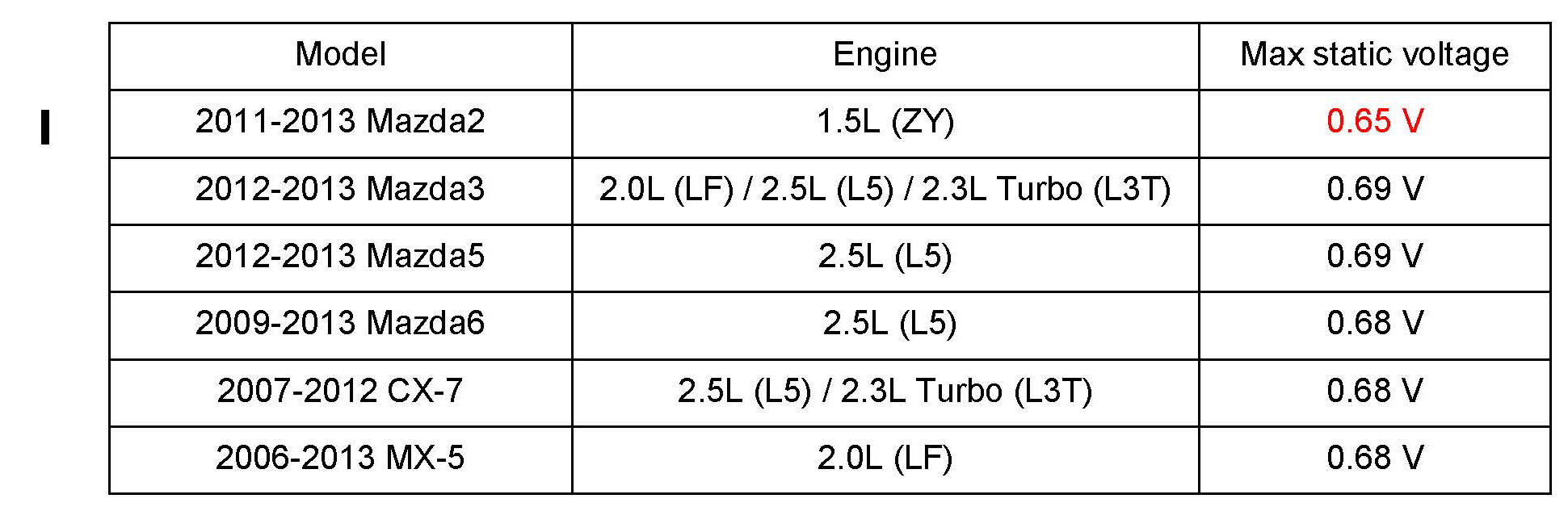
2. Wait 30 seconds, then check PID "MAF" voltage and compare it with the maximum static voltage shown in the chart.
^ If MAF is equal to or more than the voltage shown in the chart, replace the MAF sensor.
^ If MAF is less than the voltage in the chart, go to the next step.
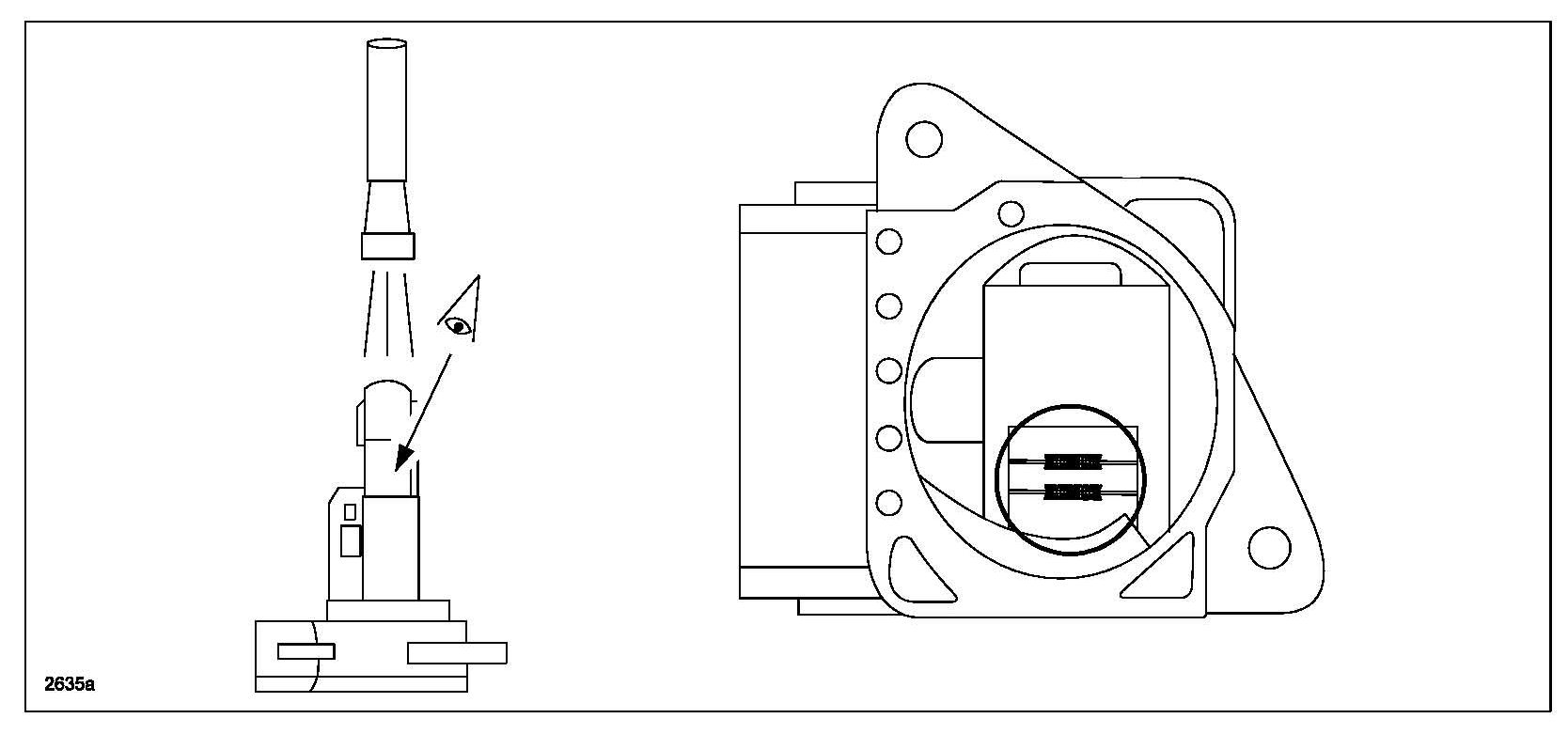
3. Remove the MAF sensor and visually check the MAF sensor wires for foreign material.
^ If any foreign material is found, replace the MAF sensor.
^ If no trouble is found, the MAF sensor is good and there is no need to replace. Refer to MASS AIR FLOW (MAF) INSPECTION PROCEDURE on MS3 or Workshop Manual section 01-40 for further inspection information.
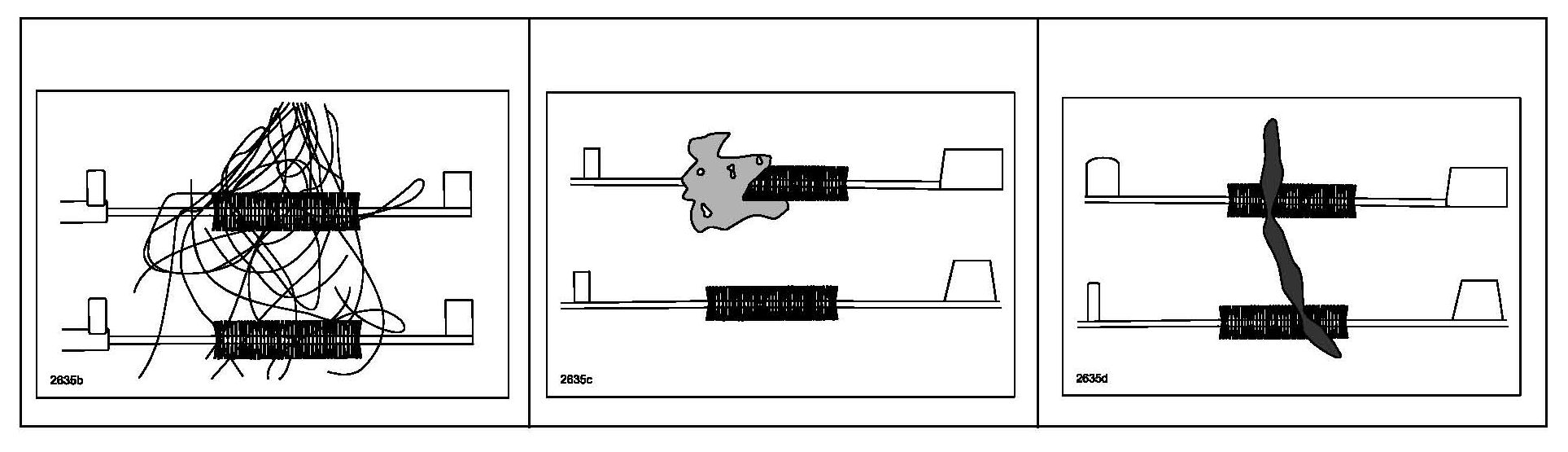
Examples of foreign material:
Last Issued: 03/12/2012
Subject:
MASS AIR FLOW (MAF) SENSOR INSPECTION PROCEDURE
BULLETIN NOTE
APPLICABLE MODEL(S)/VINS
2011-2013 Mazda22009-2013 Mazda6
2012-2013 Mazda32007-2012 Mazda CX-7
2012-2013 Mazda52006-2013 Mazda MX-5
DESCRIPTION
A recent Parts investigation has revealed that some non-defective mass air flow (MAF) sensors have been replaced as a result of improper inspection. In order to prevent this, the following inspection procedure has
been developed.
INSPECTION PROCEDURE
1. Connect the M-MDS, then turn the ignition ON.
2. Wait 30 seconds, then check PID "MAF" voltage and compare it with the maximum static voltage shown in the chart.
^ If MAF is equal to or more than the voltage shown in the chart, replace the MAF sensor.
^ If MAF is less than the voltage in the chart, go to the next step.
3. Remove the MAF sensor and visually check the MAF sensor wires for foreign material.
^ If any foreign material is found, replace the MAF sensor.
^ If no trouble is found, the MAF sensor is good and there is no need to replace. Refer to MASS AIR FLOW (MAF) INSPECTION PROCEDURE on MS3 or Workshop Manual section 01-40 for further inspection information.
Examples of foreign material:
Factory Service Tools
Use the Manual With the Right Hardware
Pair factory procedures with proven DIY tools so the instructions are easier to execute.
Disclosure: Verified tool recommendations may earn an affiliate commission at no cost to you.
When to See a Mechanic
Stop DIY work and contact a certified mechanic immediately if any of the following apply:
- • You smell fuel, burning insulation, or see smoke.
- • Brakes feel soft, pull hard to one side, or make grinding noises.
- • The engine overheats, stalls repeatedly, or misfires under load.
- • You are missing required tools, torque specs, or safe lifting equipment.
- • You are not confident in the next step or safety outcome.