
Safety Warning
DIY auto repair can cause serious injury, fire, or vehicle damage. These guides are for informational purposes only. Always follow OEM torque specs, wear PPE, and consult a certified mechanic if you are unsure. You are solely responsible for your safety.
2007 Lexus ES 350 V6-3.5L (2GR-FE)FACTORY OEM SERVICE PROCEDURE
Information Bus: Service Precautions
PRECAUTION
1. STEERING SYSTEM HANDLING PRECAUTIONS
a. Care must be taken when replacing parts. Incorrect replacement could affect the performance of the steering system and result in hazardous driving.
2. SRS AIRBAG SYSTEM HANDLING PRECAUTIONS
a. This vehicle is equipped with an SRS (Supplemental Restraint System) which includes components such as the driver airbag and front passenger airbag. Failure to carry out service operations in the correct sequence could cause unexpected SRS deployment during servicing and may lead to a serious accident. Before servicing (including removal or installation of parts, inspection or replacement), be sure Refer to Restraint System Service Precautions.
3. BUS WIRE REPAIR
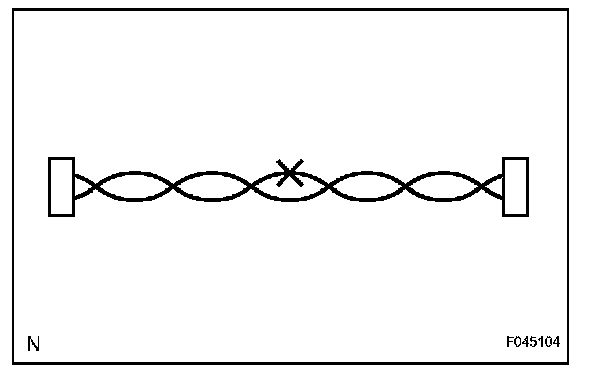
a. After repairing the bus wire with solder, wrap the repaired part with electrical tape.
NOTE:
- The CANL bus wire and CANH bus wire must be installed together all the times.
- When installing, make sure to twist them.
- CAN bus wires are likely to be influenced by electrical noise if they are not twisted.
- The difference in length between the CANL bus wire and CANH bus wire should be 100 mm (3.937 in.) or less.
- Leave approximately 80 mm (3.150 in.) loose in the twisted wires around the connector.
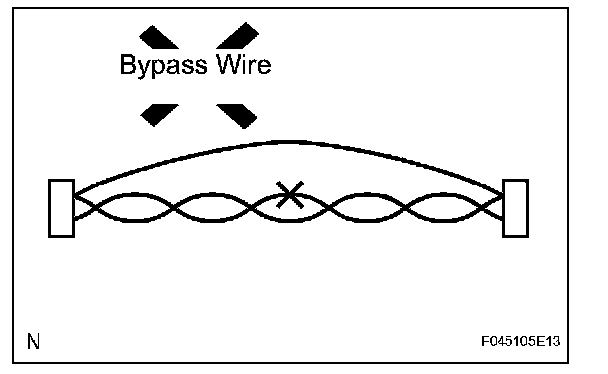
b. Do not use bypass wiring between the connectors.
NOTE: The ability of the twisted bus wires to resist interference will be lost if bypass wiring is used.
4. CONNECTOR HANDLING
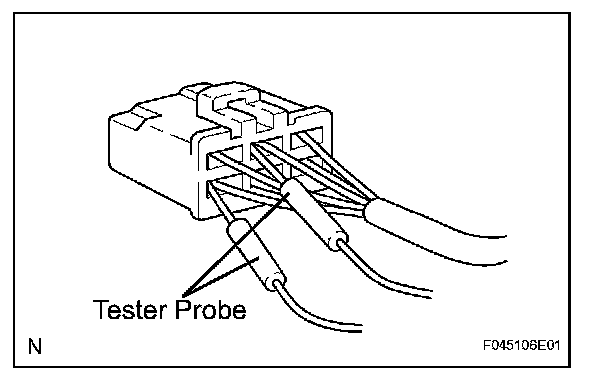
a. When checking resistance with a tester, insert the tester probes from the backside (harness side) of the connector.
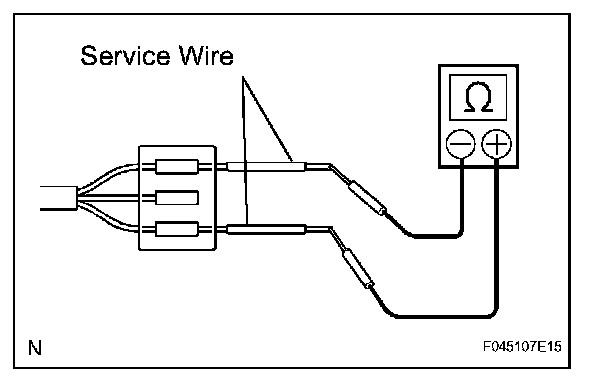
b. Use a service wire to check the connector if it is impossible to check continuity from the rear of the connector.
5. PRECAUTION FOR DISCONNECTING THE BATTERY CABLE
NOTE: Some systems need to be initialized after reconnecting the negative (-) battery terminal.
1. STEERING SYSTEM HANDLING PRECAUTIONS
a. Care must be taken when replacing parts. Incorrect replacement could affect the performance of the steering system and result in hazardous driving.
2. SRS AIRBAG SYSTEM HANDLING PRECAUTIONS
a. This vehicle is equipped with an SRS (Supplemental Restraint System) which includes components such as the driver airbag and front passenger airbag. Failure to carry out service operations in the correct sequence could cause unexpected SRS deployment during servicing and may lead to a serious accident. Before servicing (including removal or installation of parts, inspection or replacement), be sure Refer to Restraint System Service Precautions.
3. BUS WIRE REPAIR
a. After repairing the bus wire with solder, wrap the repaired part with electrical tape.
NOTE:
- The CANL bus wire and CANH bus wire must be installed together all the times.
- When installing, make sure to twist them.
- CAN bus wires are likely to be influenced by electrical noise if they are not twisted.
- The difference in length between the CANL bus wire and CANH bus wire should be 100 mm (3.937 in.) or less.
- Leave approximately 80 mm (3.150 in.) loose in the twisted wires around the connector.
b. Do not use bypass wiring between the connectors.
NOTE: The ability of the twisted bus wires to resist interference will be lost if bypass wiring is used.
4. CONNECTOR HANDLING
a. When checking resistance with a tester, insert the tester probes from the backside (harness side) of the connector.
b. Use a service wire to check the connector if it is impossible to check continuity from the rear of the connector.
5. PRECAUTION FOR DISCONNECTING THE BATTERY CABLE
NOTE: Some systems need to be initialized after reconnecting the negative (-) battery terminal.
Factory Service Tools
Use the Manual With the Right Hardware
Pair factory procedures with proven DIY tools so the instructions are easier to execute.
Disclosure: Verified tool recommendations may earn an affiliate commission at no cost to you.
When to See a Mechanic
Stop DIY work and contact a certified mechanic immediately if any of the following apply:
- • You smell fuel, burning insulation, or see smoke.
- • Brakes feel soft, pull hard to one side, or make grinding noises.
- • The engine overheats, stalls repeatedly, or misfires under load.
- • You are missing required tools, torque specs, or safe lifting equipment.
- • You are not confident in the next step or safety outcome.