
Safety Warning
DIY auto repair can cause serious injury, fire, or vehicle damage. These guides are for informational purposes only. Always follow OEM torque specs, wear PPE, and consult a certified mechanic if you are unsure. You are solely responsible for your safety.
2005 Lexus SC 430 V8-4.3L (3UZ-FE)FACTORY OEM SERVICE PROCEDURE
Precaution
PRECAUTION
NOTE: When disconnecting the negative (-) battery terminal, initialize the following systems after the terminal is reconnected.
System Name
Front Power Seat Control System
Combination Meter
1. DO NOT HANDLE REFRIGERANT IN AN ENCLOSED AREA OR NEAR AN OPEN FLAME
2. ALWAYS WEAR PROTECTIVE GLASSES
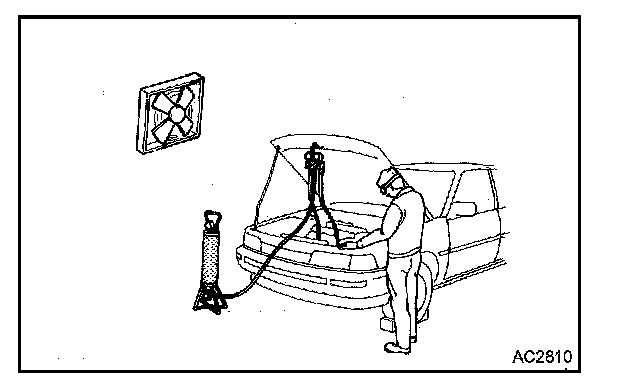
3. AVOID SKIN OR EYE CONTACT WITH LIQUID REFRIGERANT

If liquid refrigerant comes in contact with your eyes or skin:
a. Wash the area with a lot of cold water.
CAUTION: Do not rub your eyes or skin.
b. Apply clean petroleum jelly to the skin.
c. Go immediately to a hospital or see a physician for professional treatment.
4. NEVER HEAT CONTAINER OR EXPOSE IT TO OPEN FLAME
5. DO NOT DROP OR STRIKE CONTAINER OF REFRIGERANT
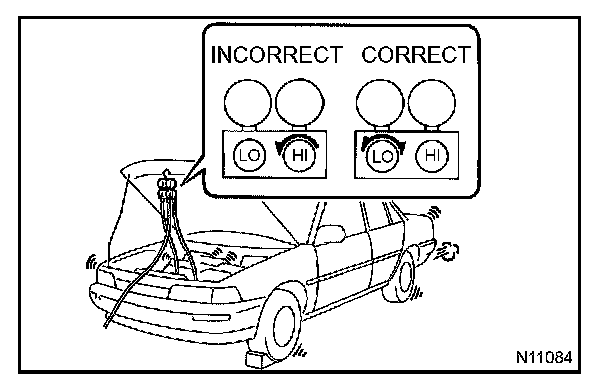
6. DO NOT OPERATE COMPRESSOR WITHOUT ENOUGH REFRIGERANT IN REFRIGERANT SYSTEM
If there is not enough refrigerant in the refrigerant system, oil lubrication will be insufficient and the compressor may burn out. Necessary care should be taken to avoid this.
7. DO NOT OPEN HIGH PRESSURE MANIFOLD VALVE WHILE COMPRESSOR IS OPERATING
Open and close only the low pressure valve.If the high pressure valve is opened, refrigerant flows in the reverse direction and causes the charging cylinder to rupture.
8 BE CAREFUL NOT TO OVERCHARGE SYSTEM WITH REFRIGERANT
Overcharged refrigerant will cause problems such as insufficient cooling, poor fuel economy, engine overheating, etc.
9. DO NOT OPERATE ENGINE AND COMPRESSOR WITHOUT REFRIGERANT IN REFRIGERANT SYSTEM
NOTE: This may damage the inside of the compressor because the compressor parts always move regardless of whether the A/C system is on or off.
NOTE: When disconnecting the negative (-) battery terminal, initialize the following systems after the terminal is reconnected.
System Name
Front Power Seat Control System
Combination Meter
1. DO NOT HANDLE REFRIGERANT IN AN ENCLOSED AREA OR NEAR AN OPEN FLAME
2. ALWAYS WEAR PROTECTIVE GLASSES
3. AVOID SKIN OR EYE CONTACT WITH LIQUID REFRIGERANT
If liquid refrigerant comes in contact with your eyes or skin:
a. Wash the area with a lot of cold water.
CAUTION: Do not rub your eyes or skin.
b. Apply clean petroleum jelly to the skin.
c. Go immediately to a hospital or see a physician for professional treatment.
4. NEVER HEAT CONTAINER OR EXPOSE IT TO OPEN FLAME
5. DO NOT DROP OR STRIKE CONTAINER OF REFRIGERANT
6. DO NOT OPERATE COMPRESSOR WITHOUT ENOUGH REFRIGERANT IN REFRIGERANT SYSTEM
If there is not enough refrigerant in the refrigerant system, oil lubrication will be insufficient and the compressor may burn out. Necessary care should be taken to avoid this.
7. DO NOT OPEN HIGH PRESSURE MANIFOLD VALVE WHILE COMPRESSOR IS OPERATING
Open and close only the low pressure valve.If the high pressure valve is opened, refrigerant flows in the reverse direction and causes the charging cylinder to rupture.
8 BE CAREFUL NOT TO OVERCHARGE SYSTEM WITH REFRIGERANT
Overcharged refrigerant will cause problems such as insufficient cooling, poor fuel economy, engine overheating, etc.
9. DO NOT OPERATE ENGINE AND COMPRESSOR WITHOUT REFRIGERANT IN REFRIGERANT SYSTEM
NOTE: This may damage the inside of the compressor because the compressor parts always move regardless of whether the A/C system is on or off.
Factory Service Tools
Use the Manual With the Right Hardware
Pair factory procedures with proven DIY tools so the instructions are easier to execute.
Disclosure: Verified tool recommendations may earn an affiliate commission at no cost to you.
When to See a Mechanic
Stop DIY work and contact a certified mechanic immediately if any of the following apply:
- • You smell fuel, burning insulation, or see smoke.
- • Brakes feel soft, pull hard to one side, or make grinding noises.
- • The engine overheats, stalls repeatedly, or misfires under load.
- • You are missing required tools, torque specs, or safe lifting equipment.
- • You are not confident in the next step or safety outcome.