
Safety Warning
DIY auto repair can cause serious injury, fire, or vehicle damage. These guides are for informational purposes only. Always follow OEM torque specs, wear PPE, and consult a certified mechanic if you are unsure. You are solely responsible for your safety.
2012 Land Rover LR4 (LA) V8-5.0LFACTORY OEM SERVICE PROCEDURE
Catalyst Monitor Sensor RH
Catalyst Monitor Sensor RH
This is a "Trustmark Authoring Standards (TAS) Repair Procedure"
- TAS style procedures can be identified by steps that have no accompanying step text and the magenta color of the electrical connectors and fasteners such as nuts, bolts, clamps or clips.
- TAS removal and installation procedures use a sequence of color illustrations to indicate the order to be followed when removing/disassembling or installing/assembling a component.
- Many of the TAS procedures will have the installation information within the removal steps.
- The TAS color illustrations use a variety of symbols to indicate important details of the procedures. It is important to understand these symbols in order to properly used the TAS procedures.
Refer to How to Use TAS Procedures and TAS Symbol Glossary at Vehicle | Description and Operation for additional information on these TAS procedures.
For additional information, refer to How to Use TAS Procedures How to Use TAS Procedures
Removal
NOTE:
Removal steps in this procedure may contain installation details.
WARNING: Make sure to support the vehicle with axle stands.
1 Raise and support the vehicle.
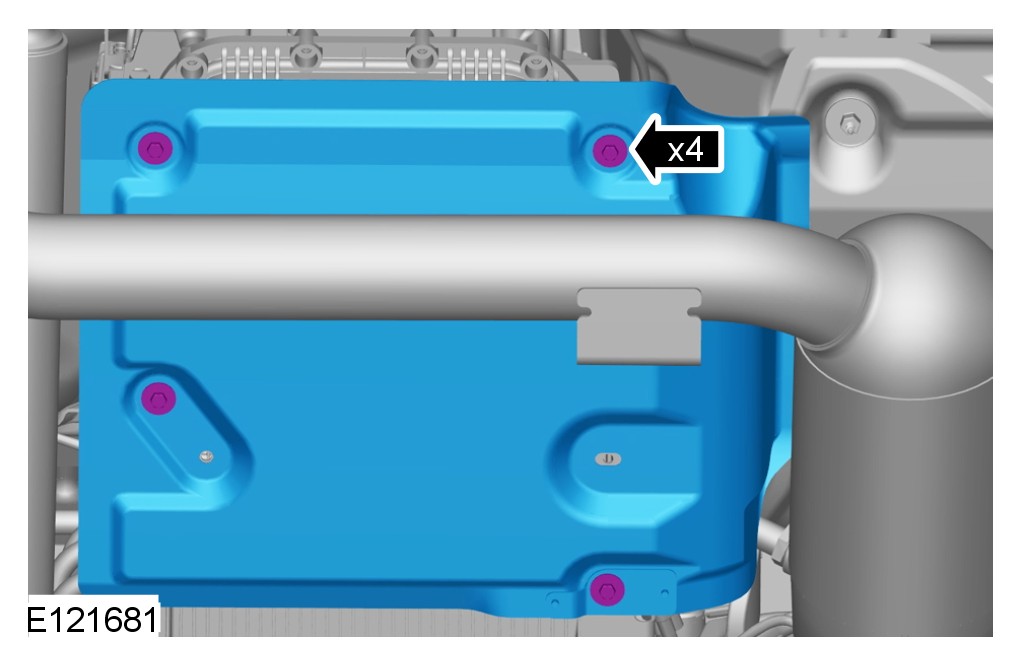
Torque to: 10 Nm
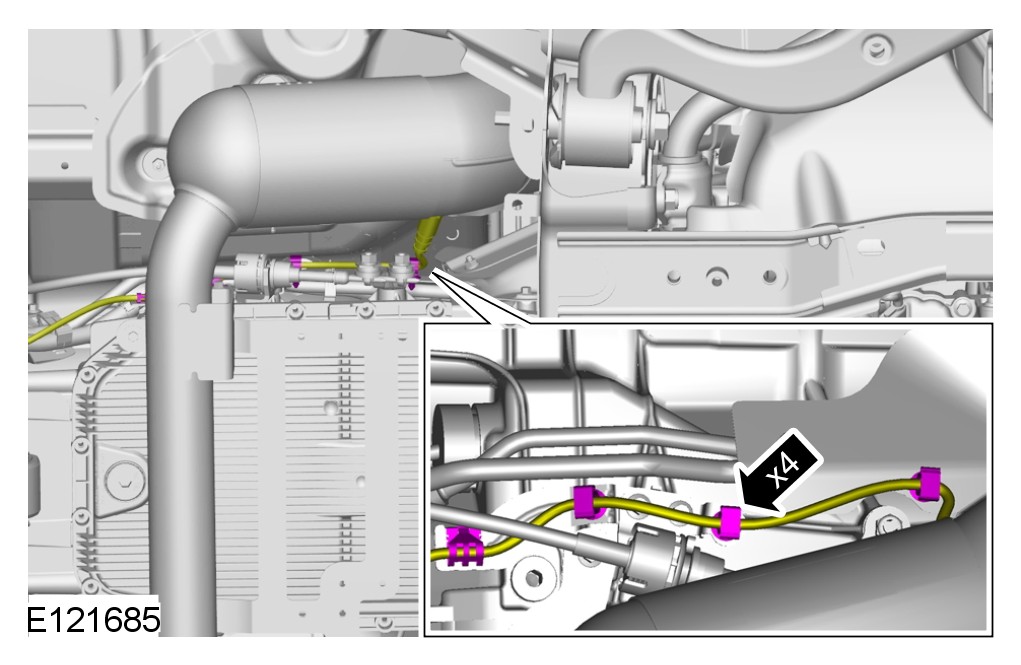
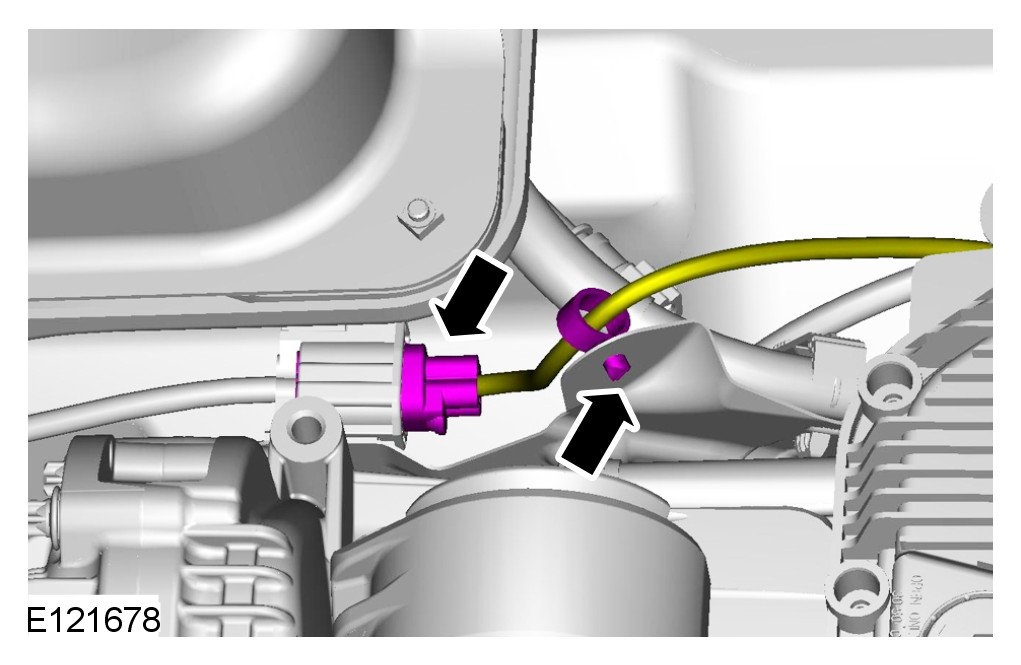
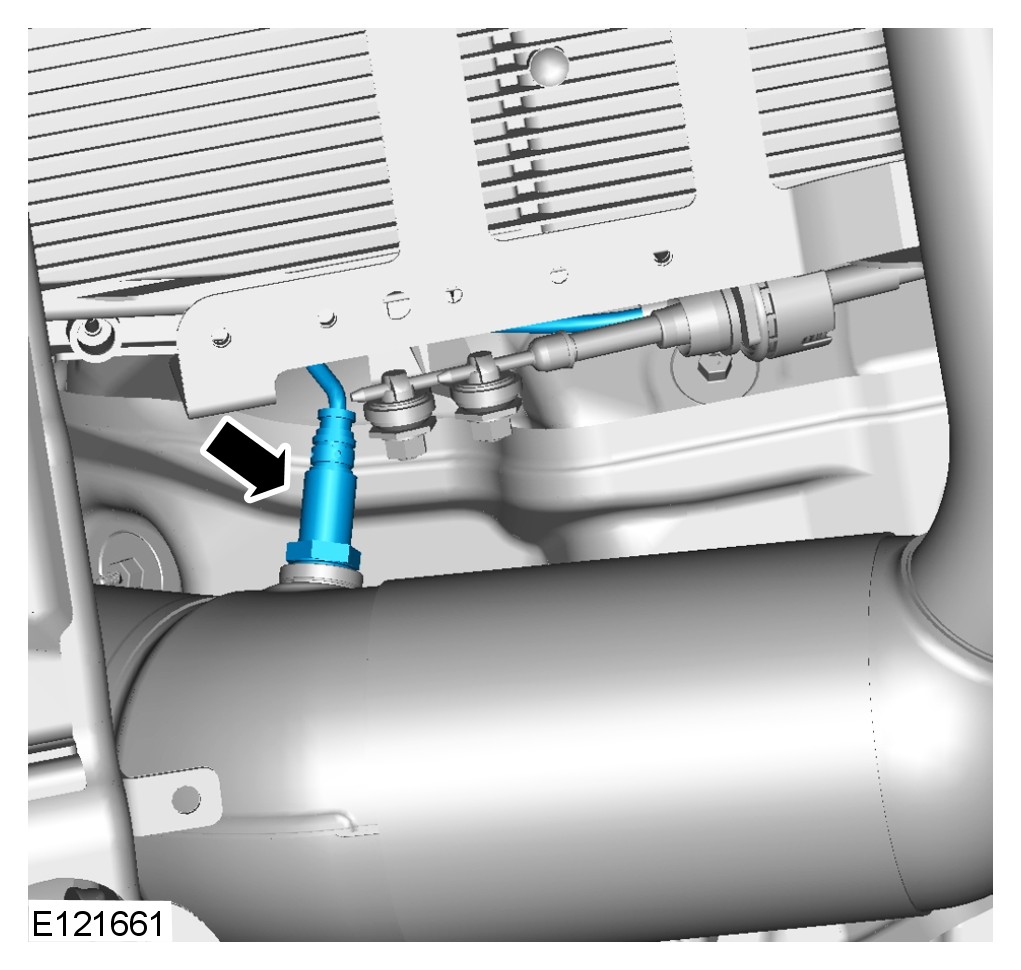
CAUTION: Make sure that the mating faces are clean and free of foreign material.
Torque to: 48 Nm
Installation
CAUTION: Make sure the anti-seize compound does not contact the HO2S tip.
CAUTION: If accidentally dropped or knocked install a new sensor.
CAUTION: Make sure the HO2S wiring harness is not twisted more than 180 degrees and is not in contact with either the exhaust or driveshaft.
NOTE:
If the original sensor is to be installed, apply lubricant meeting specification ESE-M12A4-A to the thread of the sensor.
1 To install, reverse the removal procedure.
Factory Service Tools
Use the Manual With the Right Hardware
Pair factory procedures with proven DIY tools so the instructions are easier to execute.
Disclosure: Verified tool recommendations may earn an affiliate commission at no cost to you.
When to See a Mechanic
Stop DIY work and contact a certified mechanic immediately if any of the following apply:
- • You smell fuel, burning insulation, or see smoke.
- • Brakes feel soft, pull hard to one side, or make grinding noises.
- • The engine overheats, stalls repeatedly, or misfires under load.
- • You are missing required tools, torque specs, or safe lifting equipment.
- • You are not confident in the next step or safety outcome.