
Safety Warning
DIY auto repair can cause serious injury, fire, or vehicle damage. These guides are for informational purposes only. Always follow OEM torque specs, wear PPE, and consult a certified mechanic if you are unsure. You are solely responsible for your safety.
2012 Land Rover LR4 (LA) V8-5.0LFACTORY OEM SERVICE PROCEDURE
Distance Sensor: Adjustments
Speed Control Sensor Adjustment
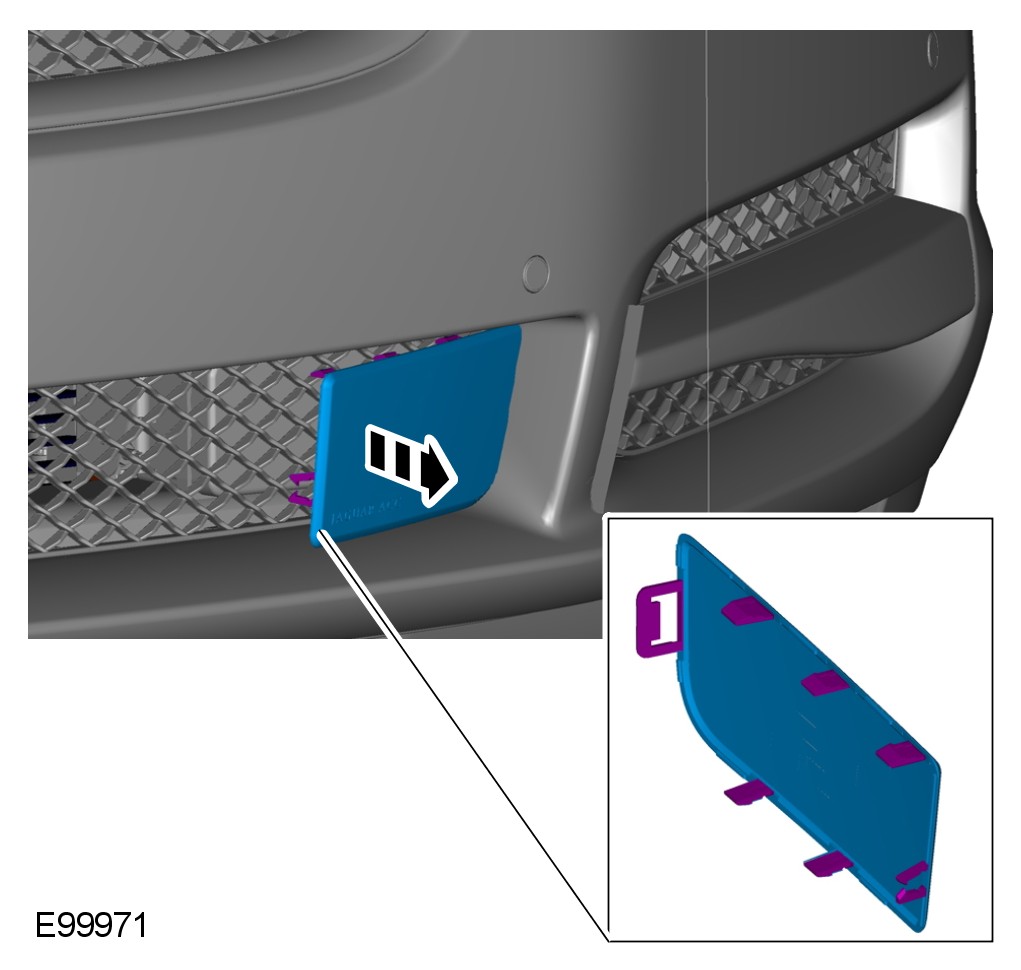
CAUTION: Protect the surrounding paintwork to avoid damage.
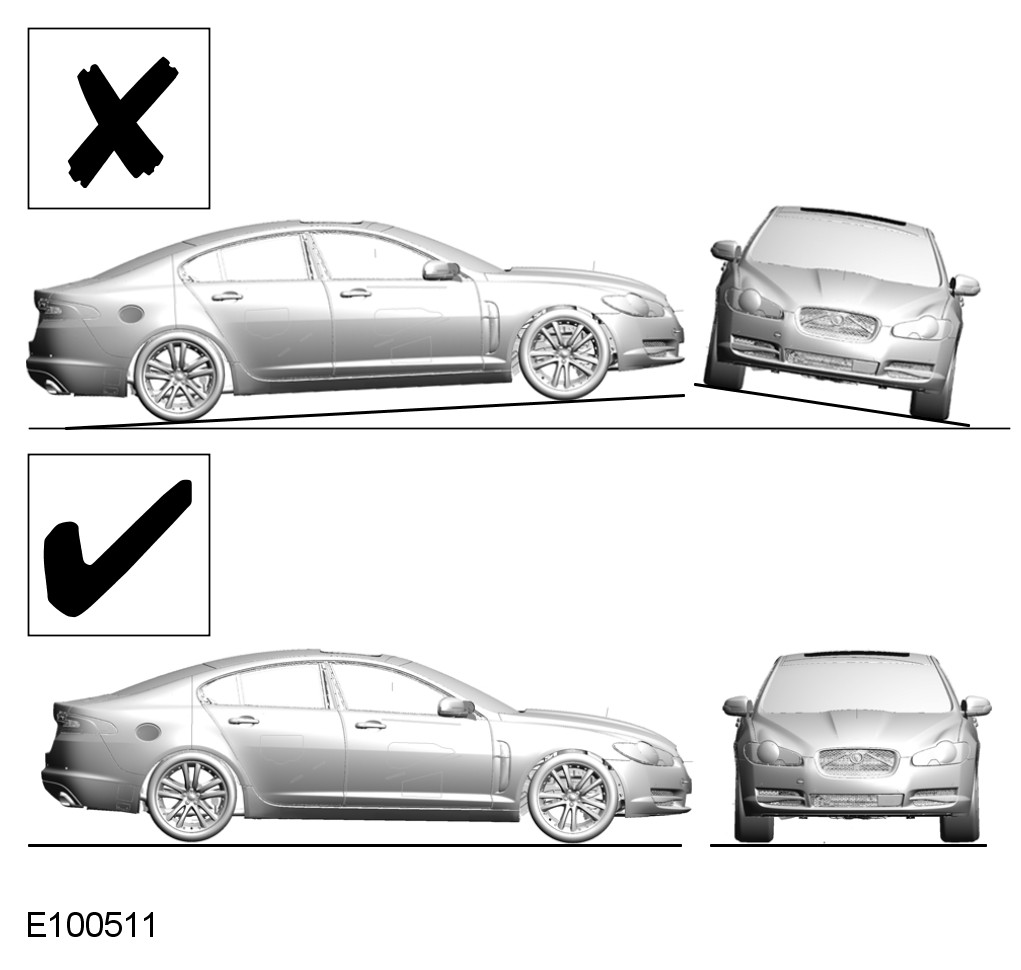
NOTE:
Make sure that the vehicle is standing on a level surface.
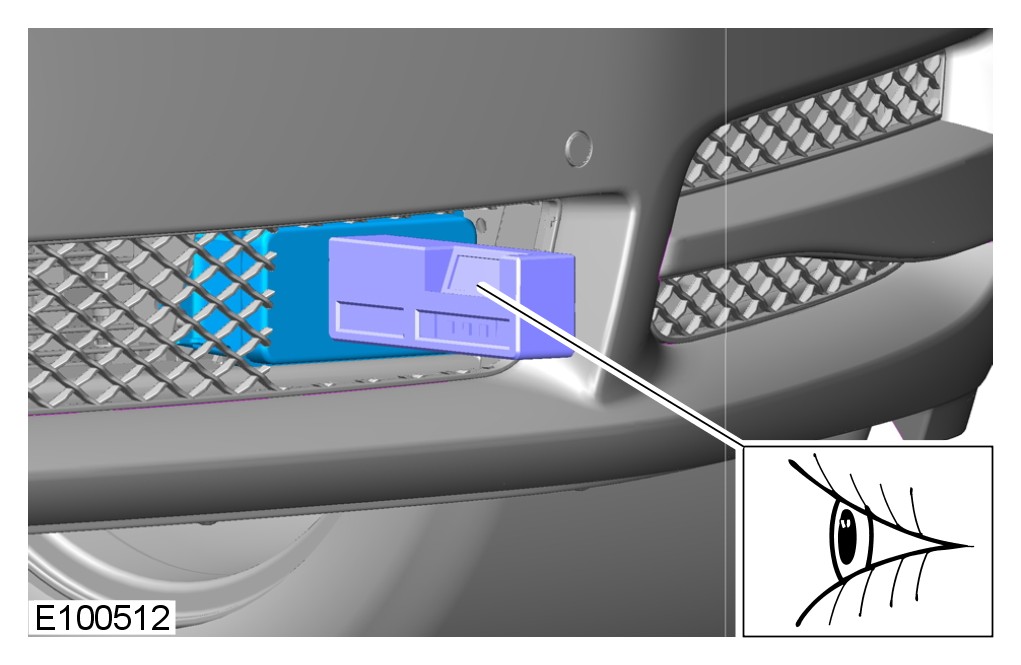
NOTE:
Make sure that the vehicle is standing on a level surface.
Special Service Tool
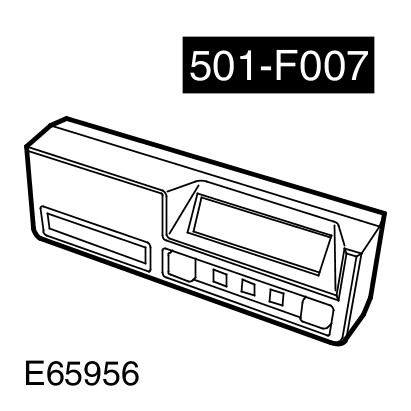
Inclinometer, 501-F007

NOTE:
Do not release the lock nut.
NOTE:
Make sure that the vehicle is standing on a level surface.
Special Service Tool
Inclinometer, 501-F007
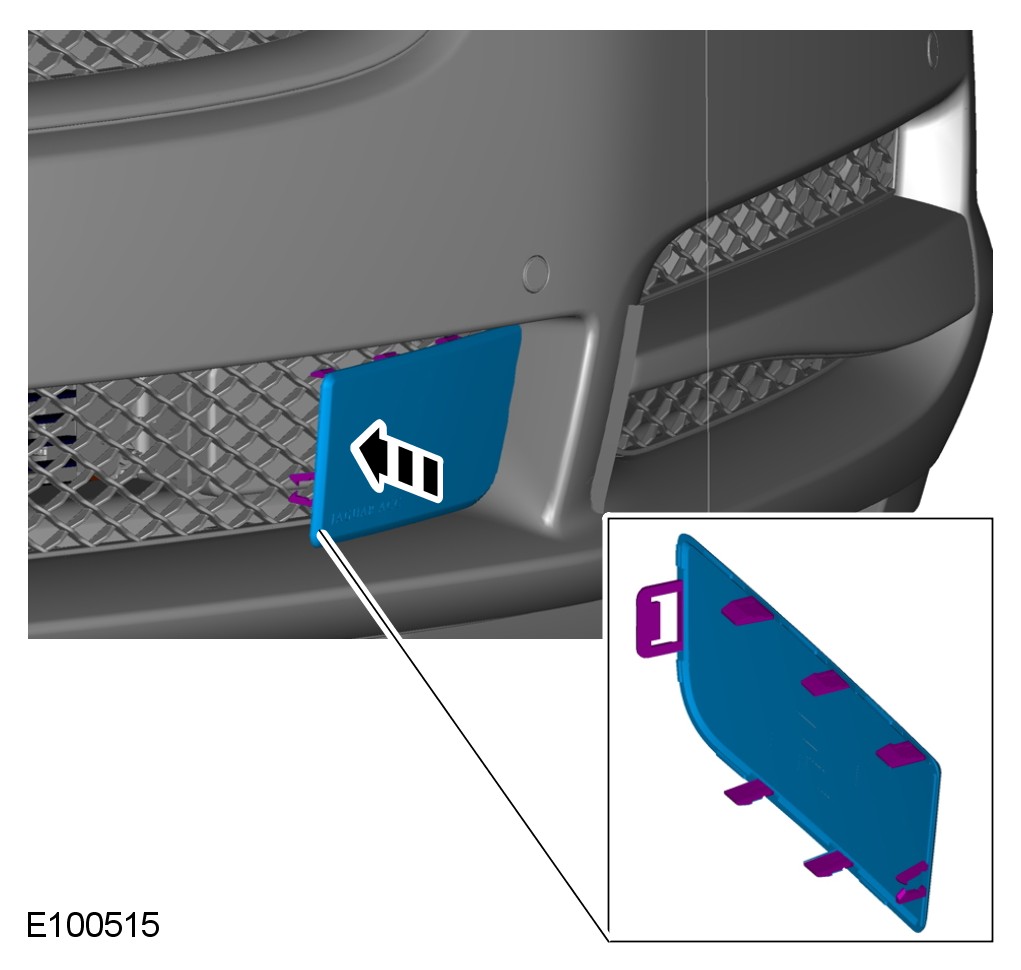
CAUTION: Protect the surrounding paintwork to avoid damage.
Configure the ACC module using the diagnostic tool.
This procedure is required if:
A new ACC radar and, or ACC module are installed.
The ACC radar needed to be removed or is misaligned in its position due to another repair operation.
From the diagnostic tool menu, select: Service Alignment Mode.
The follow indicator will now be flashing, this indicates that the vehicle is in "service alignment" and now requires driving.
The vehicle speed must be above 30mph (48 kph).
Choose a road with plenty of stationary objects,
like street lights, road signs, or barriers. Use an inside or outside lane.
Following vehicles too closely will obscure the stationary targets from the radar, a time gap of 2 seconds is recommended.
A straight road will produce a quicker and better result, although the process will still operate on a curved road.
The time that the ACC module takes to align will vary, depending on the route, speed, number of targets, and individual module.
When the flashing follow indicator light extinguishes, the ACC system is now functional, and a required vehicle speed can now be set by the driver and the ACC system will operate as normal.
Factory Service Tools
Use the Manual With the Right Hardware
Pair factory procedures with proven DIY tools so the instructions are easier to execute.
Disclosure: Verified tool recommendations may earn an affiliate commission at no cost to you.
When to See a Mechanic
Stop DIY work and contact a certified mechanic immediately if any of the following apply:
- • You smell fuel, burning insulation, or see smoke.
- • Brakes feel soft, pull hard to one side, or make grinding noises.
- • The engine overheats, stalls repeatedly, or misfires under load.
- • You are missing required tools, torque specs, or safe lifting equipment.
- • You are not confident in the next step or safety outcome.