
Safety Warning
DIY auto repair can cause serious injury, fire, or vehicle damage. These guides are for informational purposes only. Always follow OEM torque specs, wear PPE, and consult a certified mechanic if you are unsure. You are solely responsible for your safety.
2007 Kia Magentis (CANADA) L4-2.4LFACTORY OEM SERVICE PROCEDURE
Towing
TOWING
If the vehicle needs to be towed, call a professional towing service. Never tow vehicle with just a rope or chain. It is very dangerous.
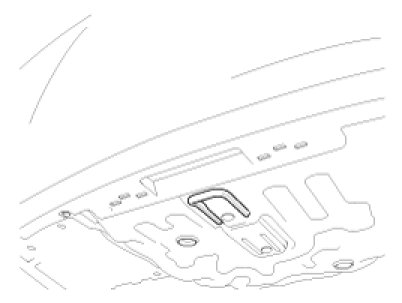
Emergency Towing
There are three popular methods of towing a vehicle :
- The operator loads the vehicle on the back of truck. This is best way of transporting the vehicle.
- The tow truck uses two pivoting arms that go under the tires (front or rear) and lift them off the ground. The other two wheels remain on the ground.
- The tow truck uses metal cables with hooks on the ends. These hooks go around parts of the frame or suspension, and the cables lift that end of the vehicle off the ground. The vehicle's suspension and body can be seriously damaged if this method of towing is attempted.
If the vehicle cannot be transported by flat-bed, if should be towed with the front wheels off the ground. If due to damage, the vehicle must be toward with the front wheels on the ground, do the following :
Manual Transmission
a. Release the parking brake.
b. Shift the transmission to neutral
Automatic Transmission
a. Release the parking brake.
b. Start the engine.
c. Shift to [D] position, then [N] position.
d. Turn off the engine.
CAUTION:
a. Improper towing preparation will damage the transmission. Follow the above procedure exactly. If you cannot shift the transmission or start the engine(automatic transmission), your vehicle must be transported on a flatbed.
b. It is the best to tow vehicle no farther than 19miles (30km), and keep the speed below 30mph (50km/h).
c. Trying to lift or tow your vehicle by the bumpers will cause serious damage. The bumpers are not designed to support the vehicle's weight.
If the vehicle needs to be towed, call a professional towing service. Never tow vehicle with just a rope or chain. It is very dangerous.
Emergency Towing
There are three popular methods of towing a vehicle :
- The operator loads the vehicle on the back of truck. This is best way of transporting the vehicle.
- The tow truck uses two pivoting arms that go under the tires (front or rear) and lift them off the ground. The other two wheels remain on the ground.
- The tow truck uses metal cables with hooks on the ends. These hooks go around parts of the frame or suspension, and the cables lift that end of the vehicle off the ground. The vehicle's suspension and body can be seriously damaged if this method of towing is attempted.
If the vehicle cannot be transported by flat-bed, if should be towed with the front wheels off the ground. If due to damage, the vehicle must be toward with the front wheels on the ground, do the following :
Manual Transmission
a. Release the parking brake.
b. Shift the transmission to neutral
Automatic Transmission
a. Release the parking brake.
b. Start the engine.
c. Shift to [D] position, then [N] position.
d. Turn off the engine.
CAUTION:
a. Improper towing preparation will damage the transmission. Follow the above procedure exactly. If you cannot shift the transmission or start the engine(automatic transmission), your vehicle must be transported on a flatbed.
b. It is the best to tow vehicle no farther than 19miles (30km), and keep the speed below 30mph (50km/h).
c. Trying to lift or tow your vehicle by the bumpers will cause serious damage. The bumpers are not designed to support the vehicle's weight.
Factory Service Tools
Use the Manual With the Right Hardware
Pair factory procedures with proven DIY tools so the instructions are easier to execute.
Disclosure: Verified tool recommendations may earn an affiliate commission at no cost to you.
When to See a Mechanic
Stop DIY work and contact a certified mechanic immediately if any of the following apply:
- • You smell fuel, burning insulation, or see smoke.
- • Brakes feel soft, pull hard to one side, or make grinding noises.
- • The engine overheats, stalls repeatedly, or misfires under load.
- • You are missing required tools, torque specs, or safe lifting equipment.
- • You are not confident in the next step or safety outcome.