
Safety Warning
DIY auto repair can cause serious injury, fire, or vehicle damage. These guides are for informational purposes only. Always follow OEM torque specs, wear PPE, and consult a certified mechanic if you are unsure. You are solely responsible for your safety.
1999 Isuzu Rodeo LS 2WD V6-3.2LFACTORY OEM SERVICE PROCEDURE
Programming and Relearning
The Rodeo/Amigo allows reprogramming of the PCM without removing it from the vehicle. This provides a flexible and cost-effective method of making changes in software calibrations.
The service programming system (SPS) will not allow incorrect software programming or incorrect calibration changes.
Refer to the latest Isuzu Technical Communication System information (See Technical Service Bulletins) for reprogramming or flashing procedures.
EEPROM Programming
1. Connect Scan Tool to the vehicle DLC and retrieve information from the PCM. Ensure that the following condition have been met:
- Battery is fully charged.
- The Ignition is in ON position.
- Scan Tool cable is securely connected to DLC.
2. Download latest program and calibration from ITCS. Always use latest ITCS software to program PCM. Refer to Up-to-date ITCS users guide.
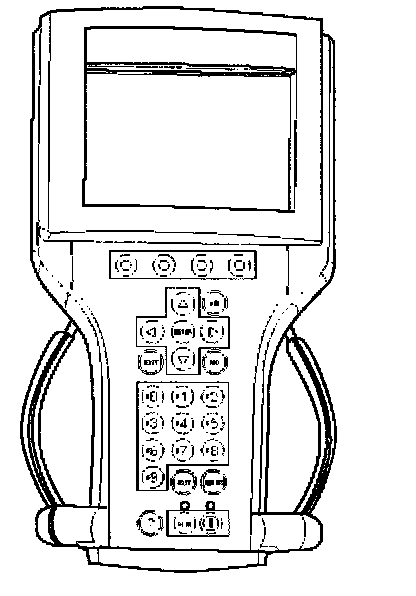
3. Reconnect Scan Tool to the DLC and program PCM.
- Make sure the ignition is recycled after information is retrieved.
- Ensure the ignition is stay in ON position after programming is started.
4. If the PCM fails to program, proceed as follows:
- Ensure that all PCM connections are OK.
- Check the Techline equipment for the latest software version.
- Attempt to program the PCM. If the PCM still cannot be programmed properly, replace the PCM. The replacement PCM must be programmed.
Functional Check
1. Perform the On-Board Diagnostic System Check.
2. Start the engine and run for least one minute.
3. Check for DTCs using Scan Tool.
4. If the PCM fails to program, proceed as follow:
- Ensure that all PCM connections are OK.
- Check the ITCS for latest version software.
- Attempt to program PCM again. If PCM still cannot be programmed properly, replace PCM. The replacement PCM must be programmed.
The service programming system (SPS) will not allow incorrect software programming or incorrect calibration changes.
Refer to the latest Isuzu Technical Communication System information (See Technical Service Bulletins) for reprogramming or flashing procedures.
EEPROM Programming
1. Connect Scan Tool to the vehicle DLC and retrieve information from the PCM. Ensure that the following condition have been met:
- Battery is fully charged.
- The Ignition is in ON position.
- Scan Tool cable is securely connected to DLC.
2. Download latest program and calibration from ITCS. Always use latest ITCS software to program PCM. Refer to Up-to-date ITCS users guide.
3. Reconnect Scan Tool to the DLC and program PCM.
- Make sure the ignition is recycled after information is retrieved.
- Ensure the ignition is stay in ON position after programming is started.
4. If the PCM fails to program, proceed as follows:
- Ensure that all PCM connections are OK.
- Check the Techline equipment for the latest software version.
- Attempt to program the PCM. If the PCM still cannot be programmed properly, replace the PCM. The replacement PCM must be programmed.
Functional Check
1. Perform the On-Board Diagnostic System Check.
2. Start the engine and run for least one minute.
3. Check for DTCs using Scan Tool.
4. If the PCM fails to program, proceed as follow:
- Ensure that all PCM connections are OK.
- Check the ITCS for latest version software.
- Attempt to program PCM again. If PCM still cannot be programmed properly, replace PCM. The replacement PCM must be programmed.
Factory Service Tools
Use the Manual With the Right Hardware
Pair factory procedures with proven DIY tools so the instructions are easier to execute.
Disclosure: Verified tool recommendations may earn an affiliate commission at no cost to you.
When to See a Mechanic
Stop DIY work and contact a certified mechanic immediately if any of the following apply:
- • You smell fuel, burning insulation, or see smoke.
- • Brakes feel soft, pull hard to one side, or make grinding noises.
- • The engine overheats, stalls repeatedly, or misfires under load.
- • You are missing required tools, torque specs, or safe lifting equipment.
- • You are not confident in the next step or safety outcome.