
Safety Warning
DIY auto repair can cause serious injury, fire, or vehicle damage. These guides are for informational purposes only. Always follow OEM torque specs, wear PPE, and consult a certified mechanic if you are unsure. You are solely responsible for your safety.
2012 Ford Explorer AWD V6-3.5LFACTORY OEM SERVICE PROCEDURE
Diagnostic Routine B
Diagnostic Routine B
Diagnostic Overview
The Anti-Lock Brake System (ABS) Module Does Not Respond To The Scan Tool
Refer to Wiring Diagram Set 14 for schematic and connector information Electrical Diagrams.
Refer to Wiring Diagram Set 42 for schematic and connector information Electrical Diagrams.
Normal Operation and Fault Conditions
The ABS (Anti-Lock Brake System) module communicates with the scan tool through the HS-CAN (High Speed Controller Area Network).
Visual Inspection and Diagnostic Pre-checks
Verify BJB (Battery Junction Box) fuses 43 (40A) and 92 (10A) are OK.
Pinpoint Test
1. CHECK THE ABS (Anti-Lock Brake System) MODULE VOLTAGE SUPPLY CIRCUITS FOR AN OPEN
1. Ignition OFF.
2. Disconnect: ABS (Anti-Lock Brake System) Module.
3. Ignition ON.
4. Measure:
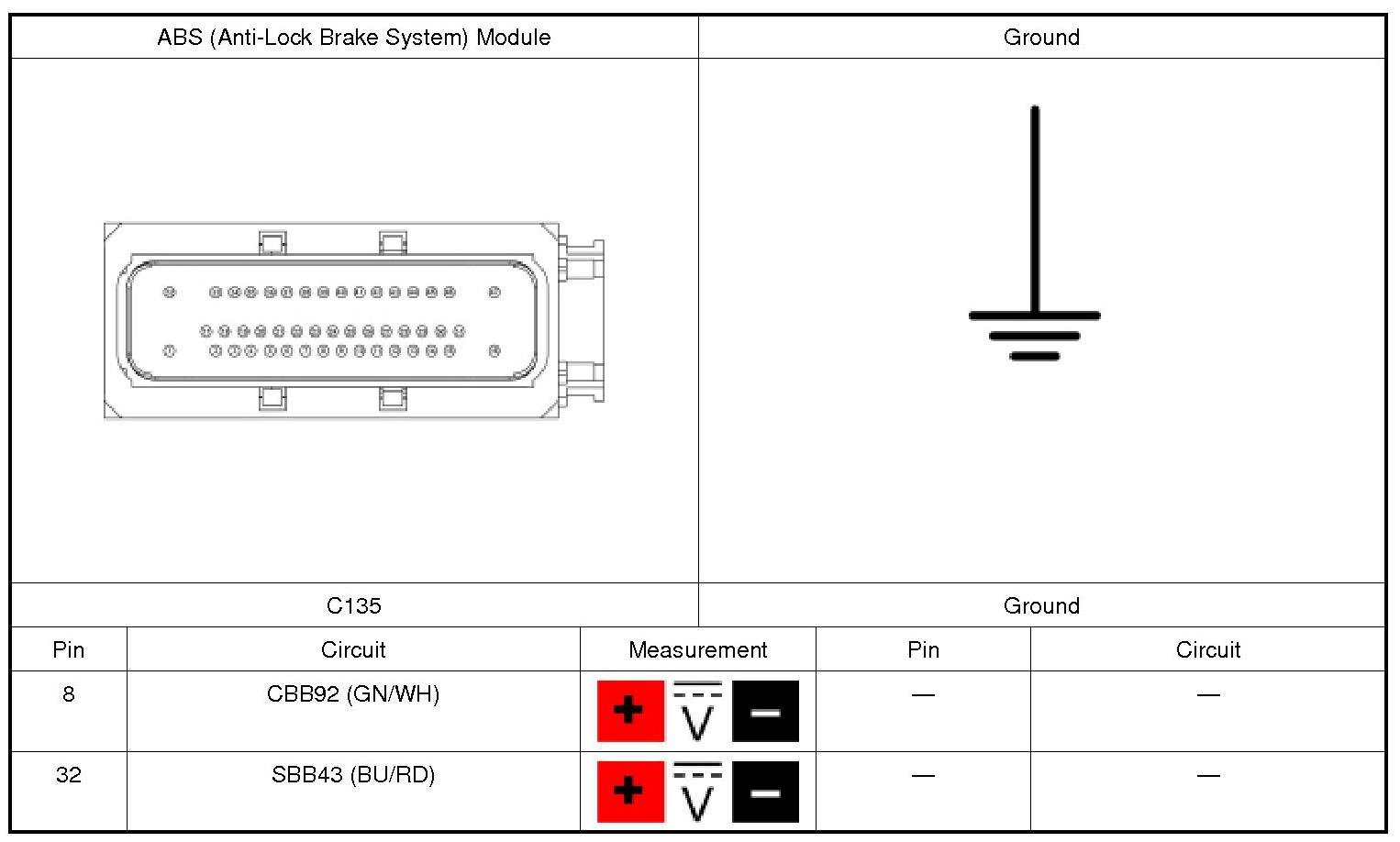
Is the voltage greater than 11 volts?

2. CHECK THE ABS (Anti-Lock Brake System) MODULE GROUND CIRCUIT FOR AN OPEN
1. Ignition OFF.
2. Disconnect: Negative Battery Cable.
3. Measure:
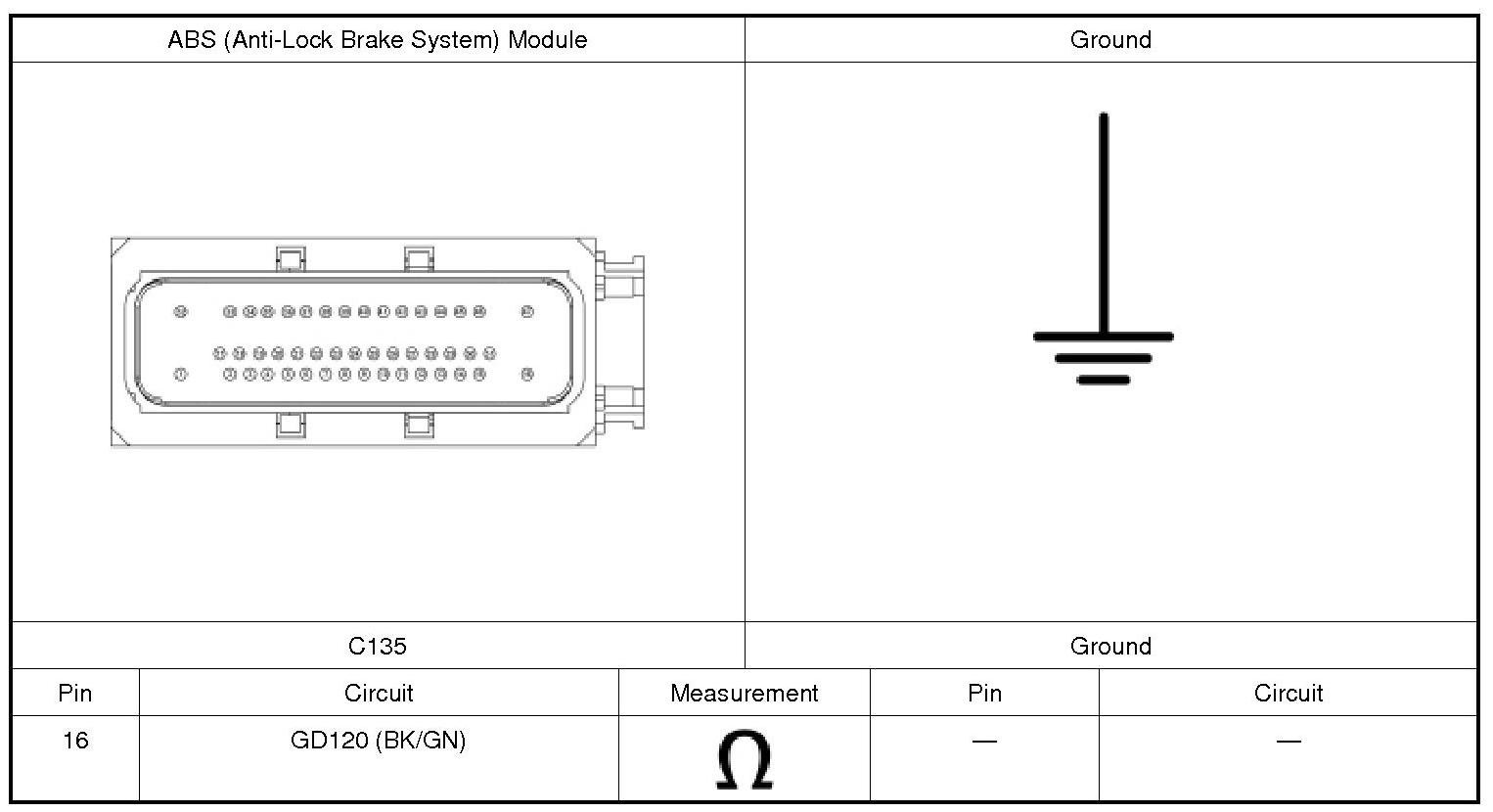
Is the resistance less than 3 ohms?

3. CHECK THE HS-CAN CIRCUITS BETWEEN THE ABS (Anti-Lock Brake System) MODULE AND THE DLC (Data Link Connector) FOR AN OPEN
1. Measure:
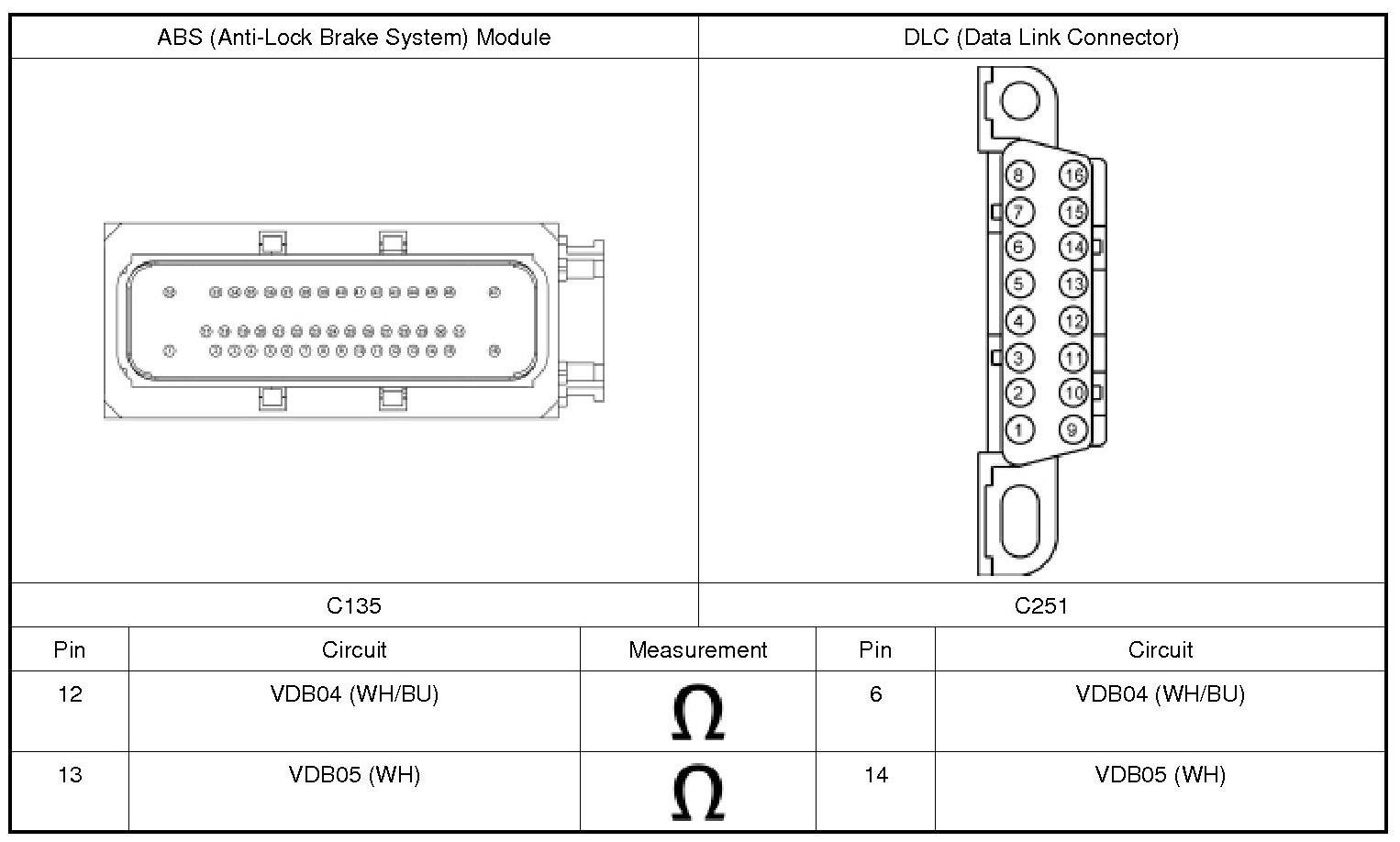
Are the resistances less than 3 ohms?

4. CHECK FOR CORRECT ABS (Anti-Lock Brake System) MODULE OPERATION
1. Ignition OFF.
2. Disconnect and inspect the ABS (Anti-Lock Brake System) module connector.
3. Repair:
- corrosion (install new connector or terminals- clean module pins)
- damaged or bent pins- install new terminals/pins
- pushed-out pins- install new pins as necessary
4. Reconnect the ABS (Anti-Lock Brake System) module connector. Make sure it seats and latches correctly.
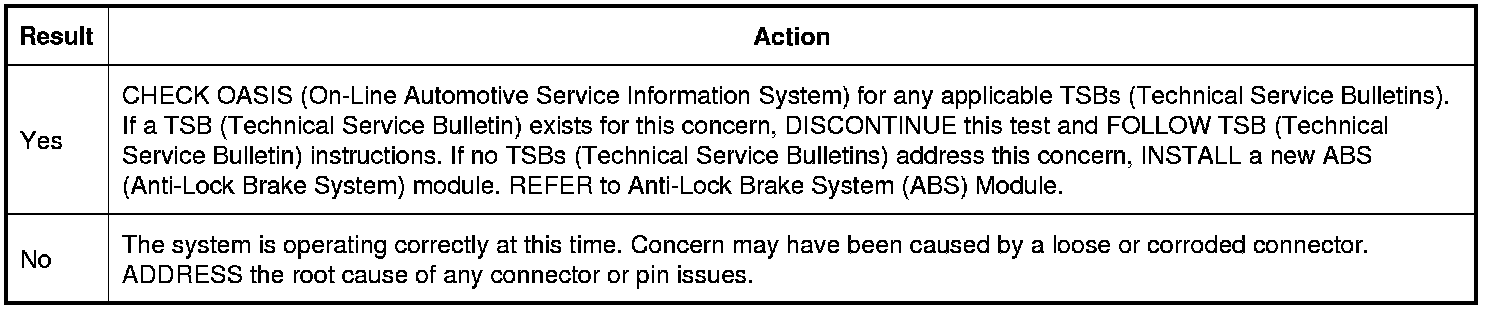
5. Operate the system and determine the concern is still present.
Is the concern still present?
Factory Service Tools
Use the Manual With the Right Hardware
Pair factory procedures with proven DIY tools so the instructions are easier to execute.
Disclosure: Verified tool recommendations may earn an affiliate commission at no cost to you.
When to See a Mechanic
Stop DIY work and contact a certified mechanic immediately if any of the following apply:
- • You smell fuel, burning insulation, or see smoke.
- • Brakes feel soft, pull hard to one side, or make grinding noises.
- • The engine overheats, stalls repeatedly, or misfires under load.
- • You are missing required tools, torque specs, or safe lifting equipment.
- • You are not confident in the next step or safety outcome.