
Safety Warning
DIY auto repair can cause serious injury, fire, or vehicle damage. These guides are for informational purposes only. Always follow OEM torque specs, wear PPE, and consult a certified mechanic if you are unsure. You are solely responsible for your safety.
2006 Ford Fusion L4-2.3L VIN ZFACTORY OEM SERVICE PROCEDURE
Climate Controlled Seat Module
CLIMATE CONTROLLED SEAT MODULE
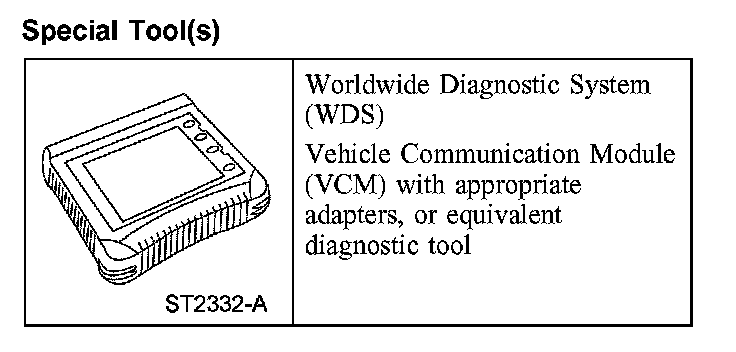
Special Tool(s)
Removal
WARNING:
- Always wear safety glasses when repairing an air bag supplemental restraint system (SRS) vehicle and when handling an airbag module. This will reduce the risk of injury in the event of an accidental deployment.
- To reduce the risk of personal injury, do not use any memory saver devices.
NOTE:
- If a seat equipped with a SRS component is being serviced, the SRS must be depowered.
- The air bag warning lamp illuminates when the RCM fuse is removed and the ignition switch is ON. This is normal operation and does not indicate a SRS fault.
- The SRS must be fully operational and free of faults before releasing the vehicle to the customer.
1. Remove the front seat and depower the supplemental restraint system (SRS).
2. Remove the dual climate controlled seat module (DCSM) from the cushion electrical bracket.
- Release the locking wedges and disconnect the 3 DCSM electrical connectors.
- Remove the 2 rivets and DCSM.
Installation
1. Install the dual climate controlled seat module (DCSM) to the seat.
- Position the DCSM to the electrical bracket and install 2 new rivets.
- Connect the 3 DCSM electrical connectors and locking wedges.
2. Install the front seat and repower the SRS. Do not prove out the SRS at this time.
3. Carry out the Zero Seat Weight Test and prove out the SRS. Zero Seat Weight Test
4. Reflash the DCSM with the latest operational software.
Worldwide Diagnostic System (WDS):
Special Tool(s)
Removal
WARNING:
- Always wear safety glasses when repairing an air bag supplemental restraint system (SRS) vehicle and when handling an airbag module. This will reduce the risk of injury in the event of an accidental deployment.
- To reduce the risk of personal injury, do not use any memory saver devices.
NOTE:
- If a seat equipped with a SRS component is being serviced, the SRS must be depowered.
- The air bag warning lamp illuminates when the RCM fuse is removed and the ignition switch is ON. This is normal operation and does not indicate a SRS fault.
- The SRS must be fully operational and free of faults before releasing the vehicle to the customer.
1. Remove the front seat and depower the supplemental restraint system (SRS).
2. Remove the dual climate controlled seat module (DCSM) from the cushion electrical bracket.
- Release the locking wedges and disconnect the 3 DCSM electrical connectors.
- Remove the 2 rivets and DCSM.
Installation
1. Install the dual climate controlled seat module (DCSM) to the seat.
- Position the DCSM to the electrical bracket and install 2 new rivets.
- Connect the 3 DCSM electrical connectors and locking wedges.
2. Install the front seat and repower the SRS. Do not prove out the SRS at this time.
3. Carry out the Zero Seat Weight Test and prove out the SRS. Zero Seat Weight Test
4. Reflash the DCSM with the latest operational software.
Factory Service Tools
Use the Manual With the Right Hardware
Pair factory procedures with proven DIY tools so the instructions are easier to execute.
Disclosure: Verified tool recommendations may earn an affiliate commission at no cost to you.
When to See a Mechanic
Stop DIY work and contact a certified mechanic immediately if any of the following apply:
- • You smell fuel, burning insulation, or see smoke.
- • Brakes feel soft, pull hard to one side, or make grinding noises.
- • The engine overheats, stalls repeatedly, or misfires under load.
- • You are missing required tools, torque specs, or safe lifting equipment.
- • You are not confident in the next step or safety outcome.