
Safety Warning
DIY auto repair can cause serious injury, fire, or vehicle damage. These guides are for informational purposes only. Always follow OEM torque specs, wear PPE, and consult a certified mechanic if you are unsure. You are solely responsible for your safety.
2011 Chrysler 200 L4-2.4LFACTORY OEM SERVICE PROCEDURE
Computers and Control Systems: Tools and Equipment
SPECIAL TOOLS
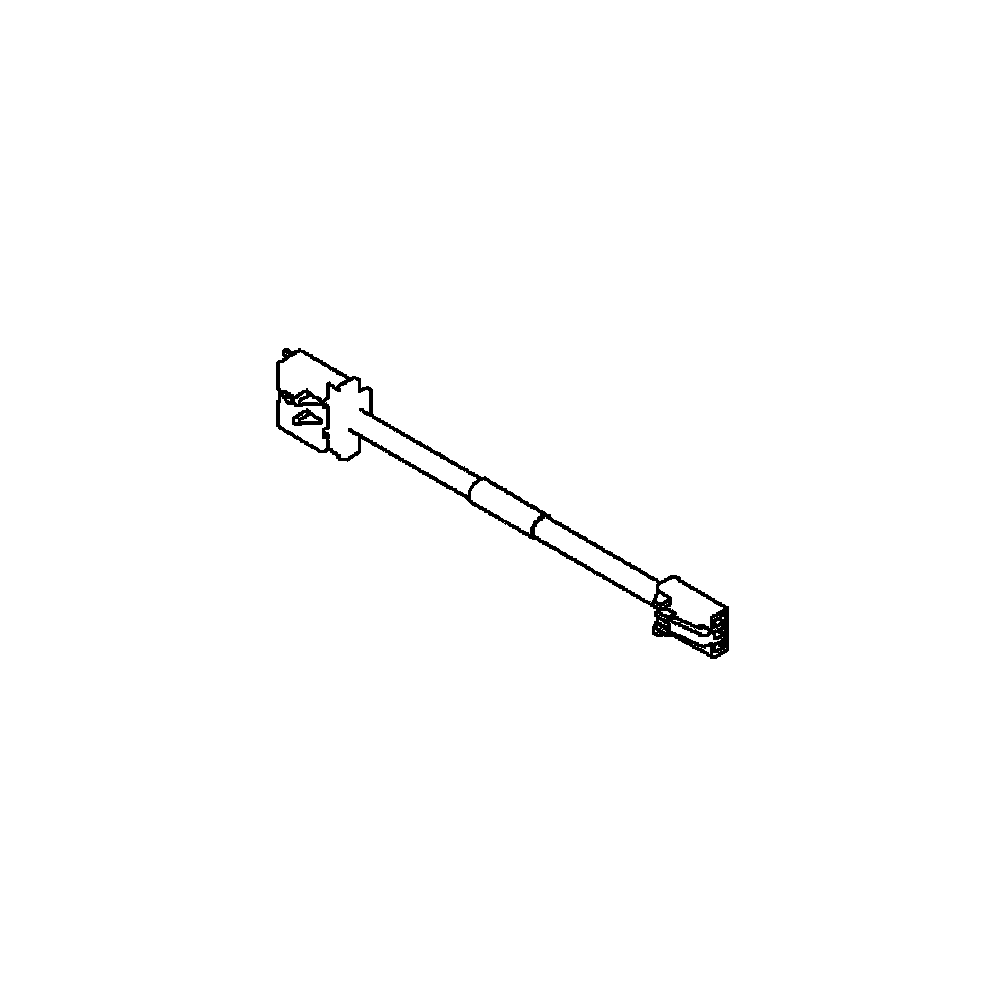
8443-19 - 4 Pin Jumper
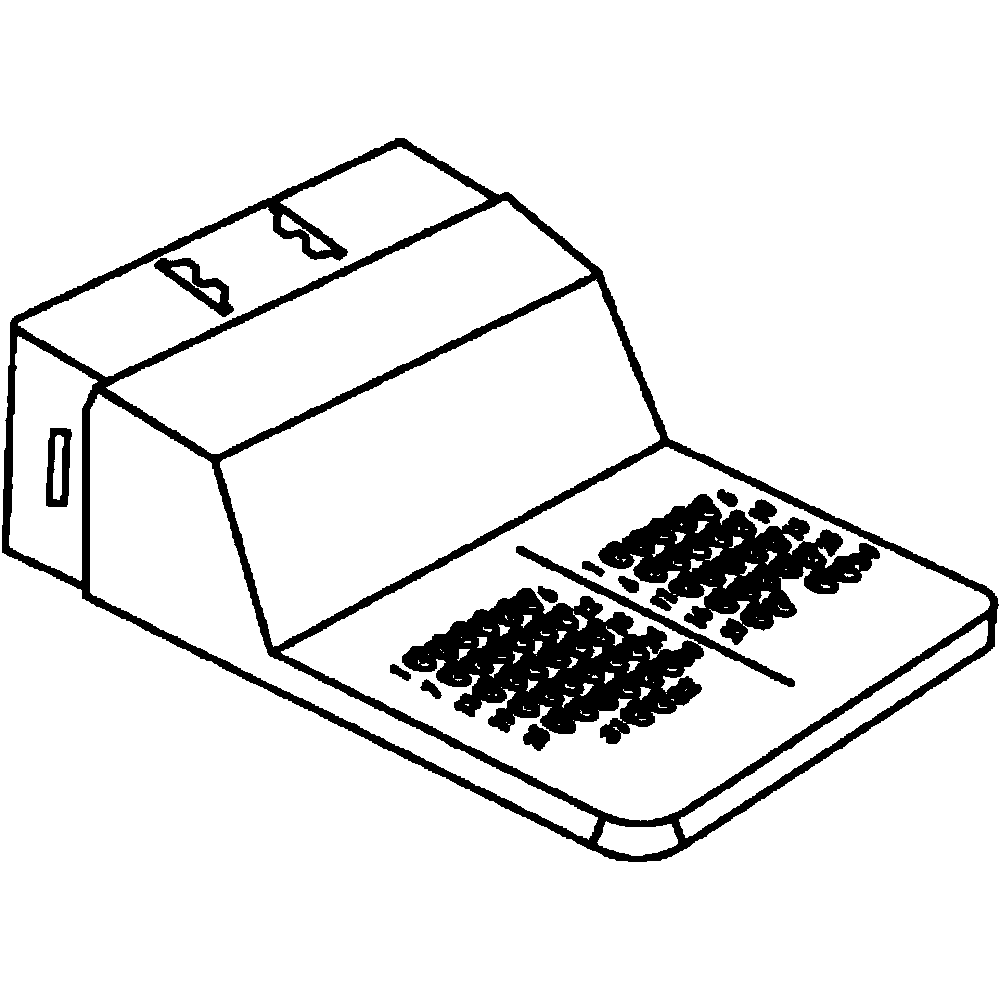
8443-25 - 56 Way ACM Adapter
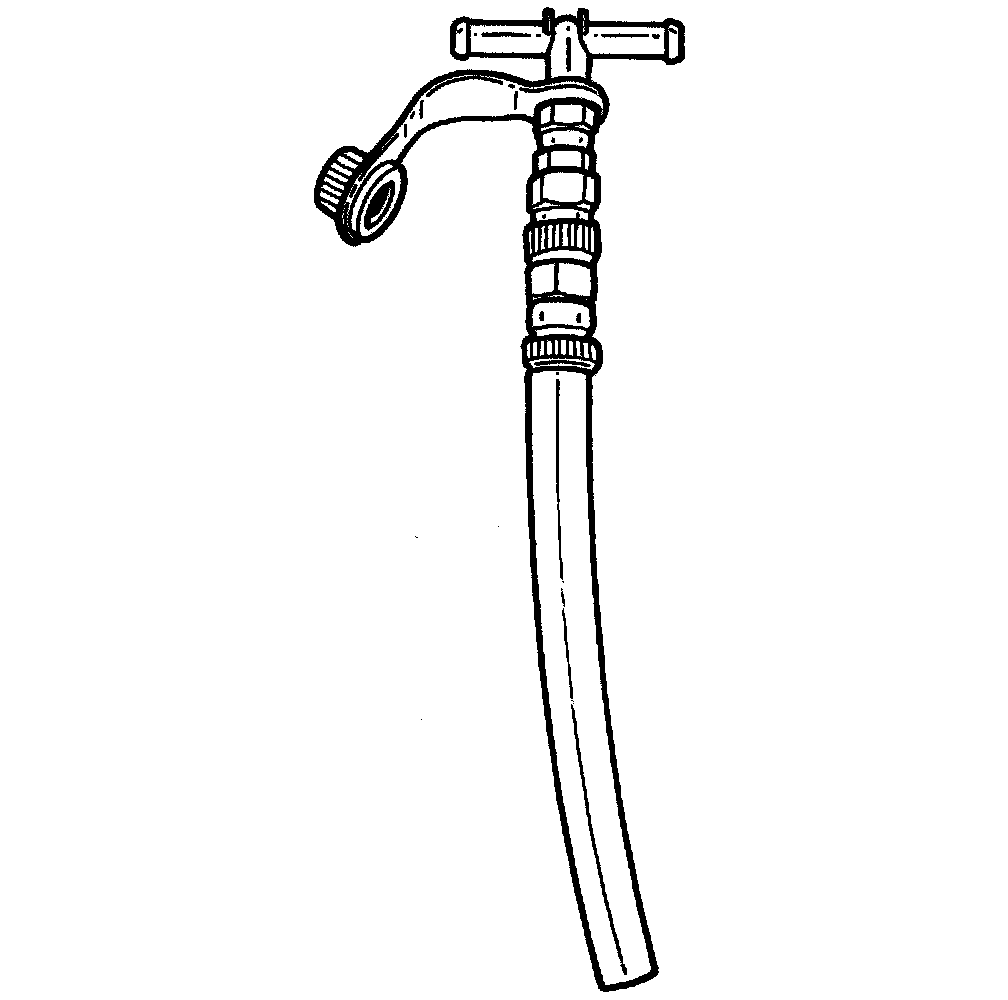
8404-14 - Adapter, Evaporative Service Port
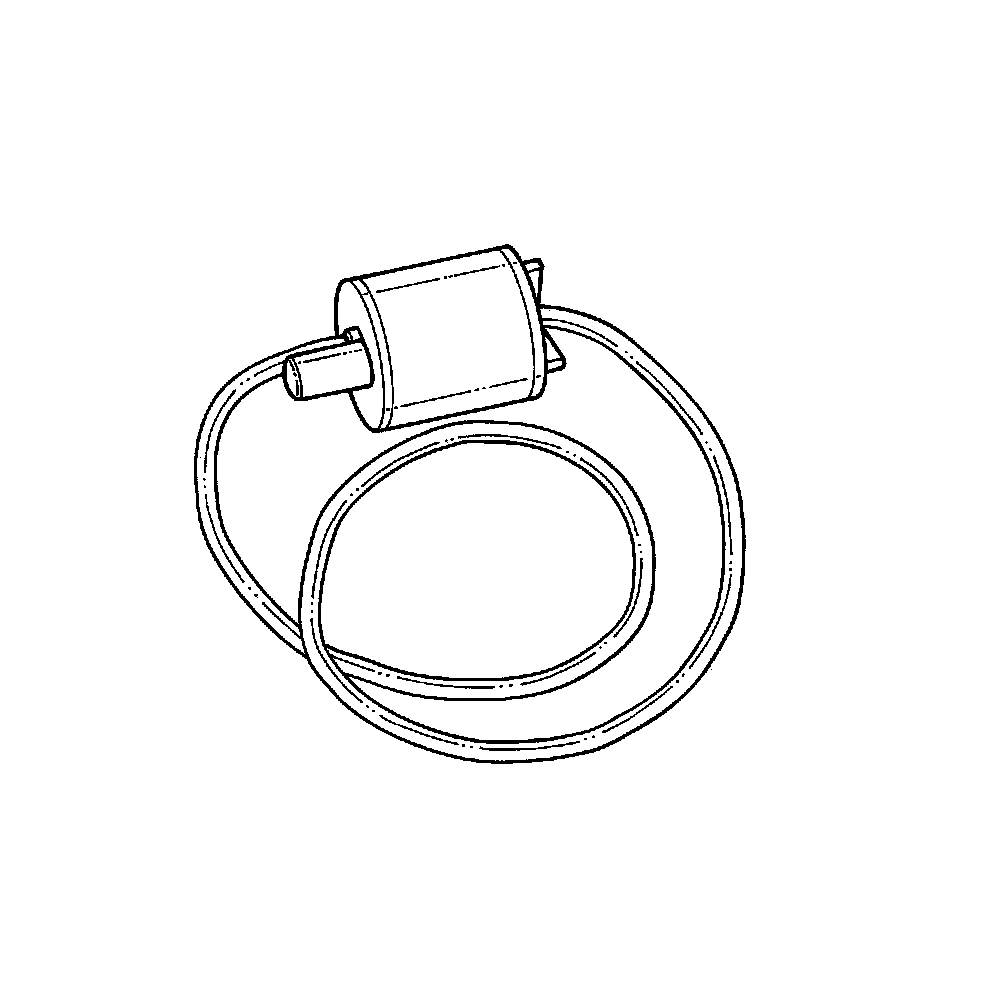
6922 - Adapter, Fuel Tank
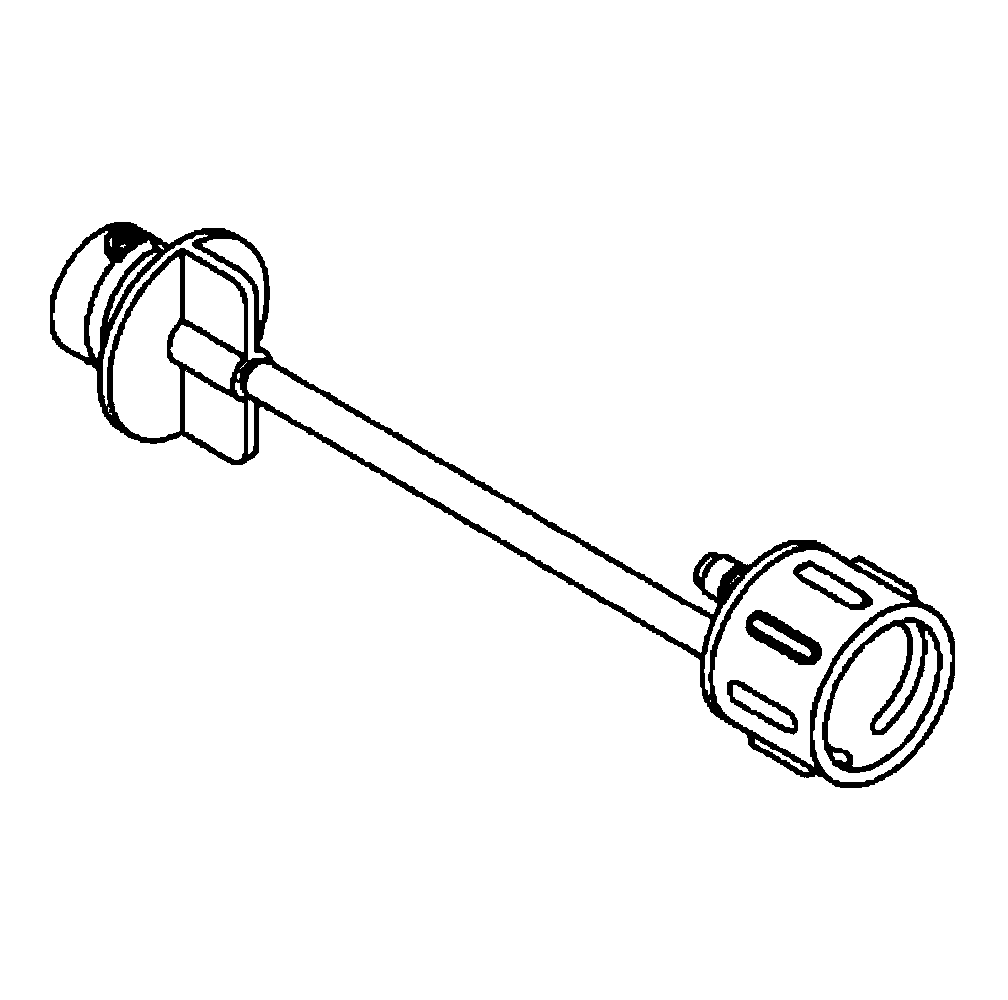
8382 - Adapter, Leak Check
8399 - Adapter, Leak Check
8978A - Decay Tool, Fuel
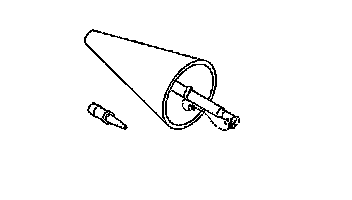
8404-EC - Exhaust Cone
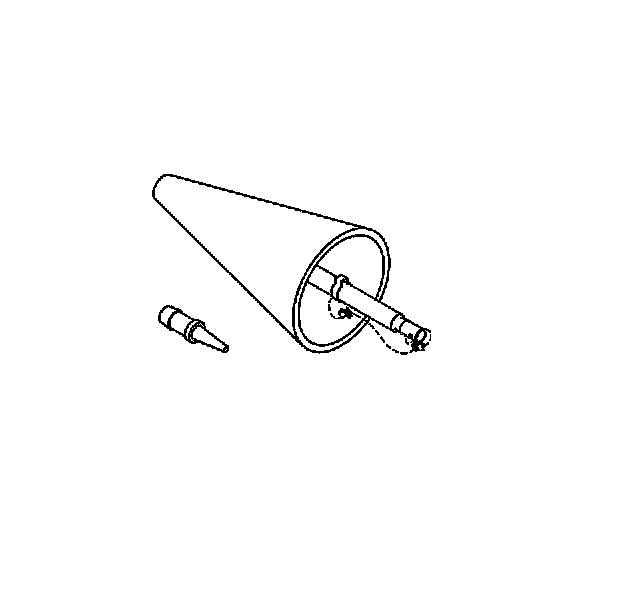
8404-ECT - Exhaust Cone, Truck
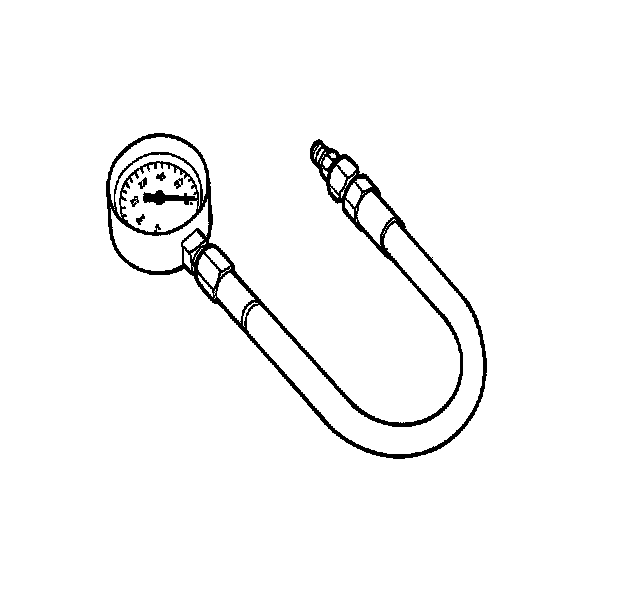
C-3293-SP - Gauge, Pressure 0-300 P.S.I.
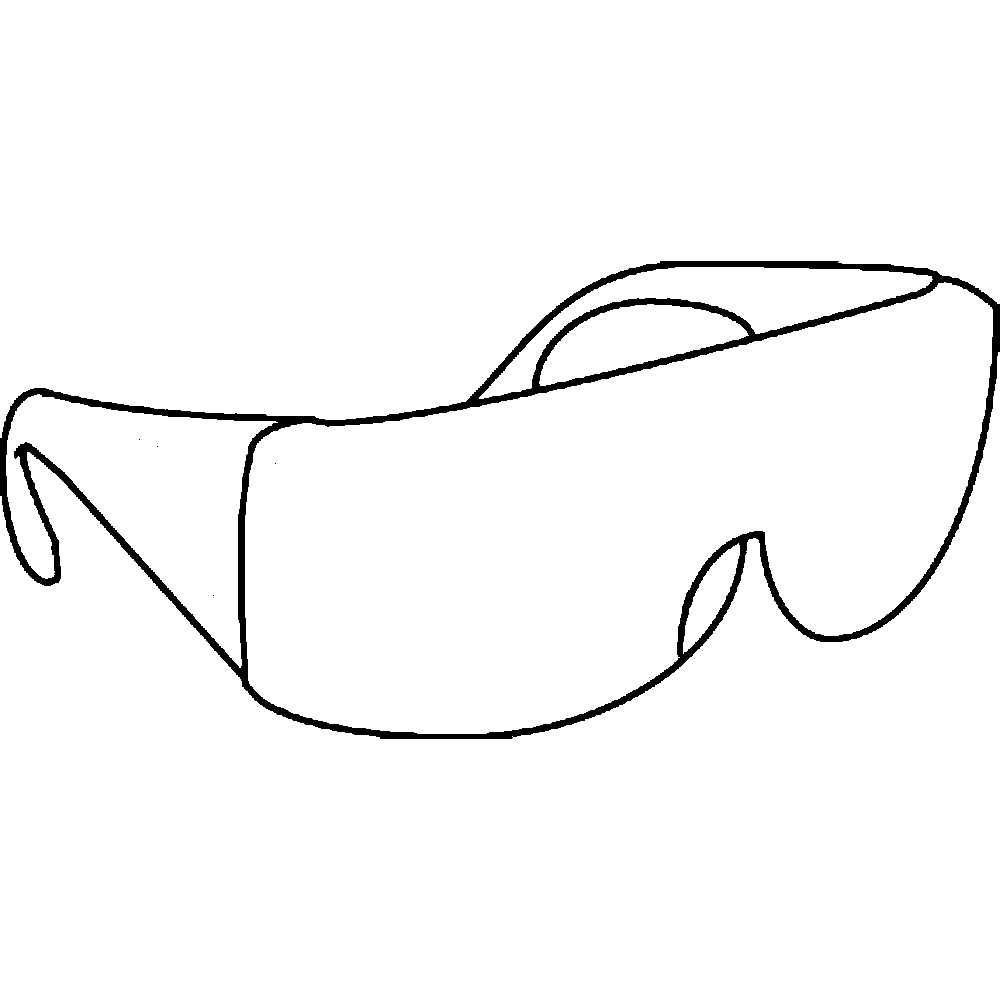
8404-20 - Goggles, Yellow
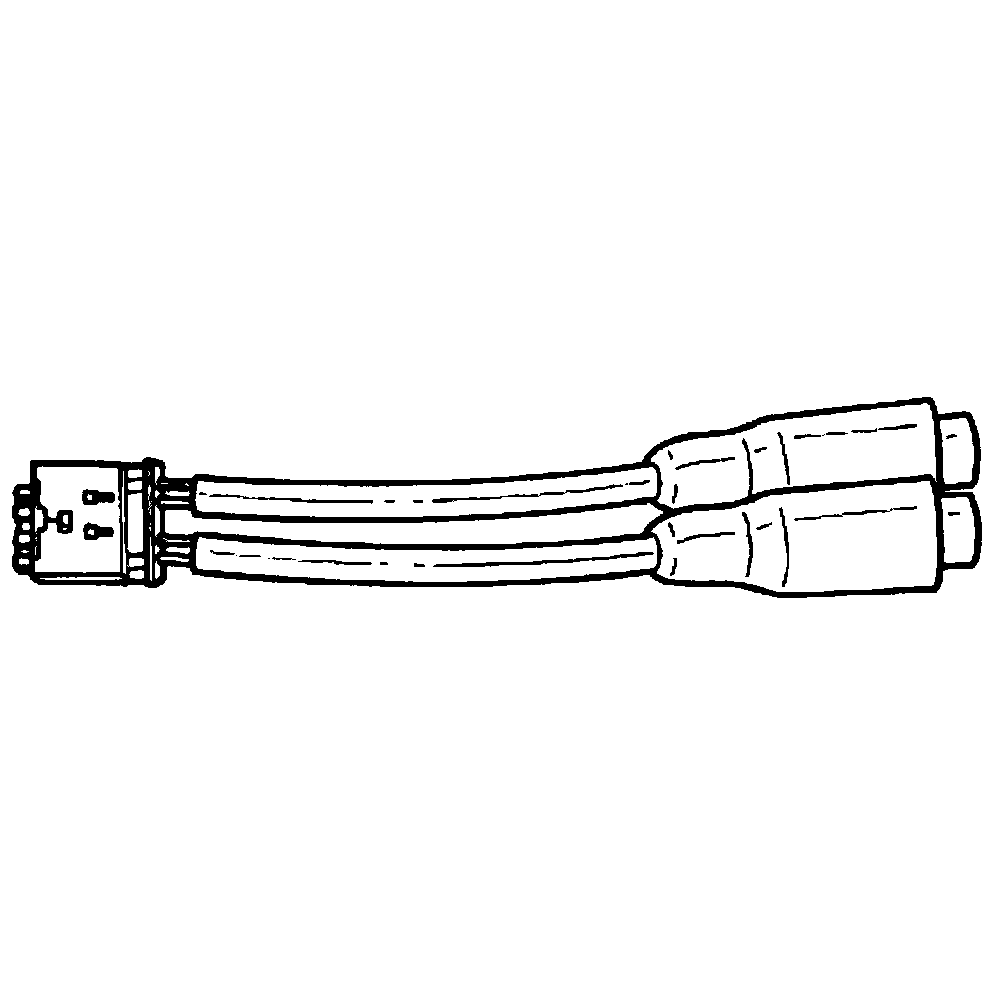
8443-8 - Jumper, SRS Load
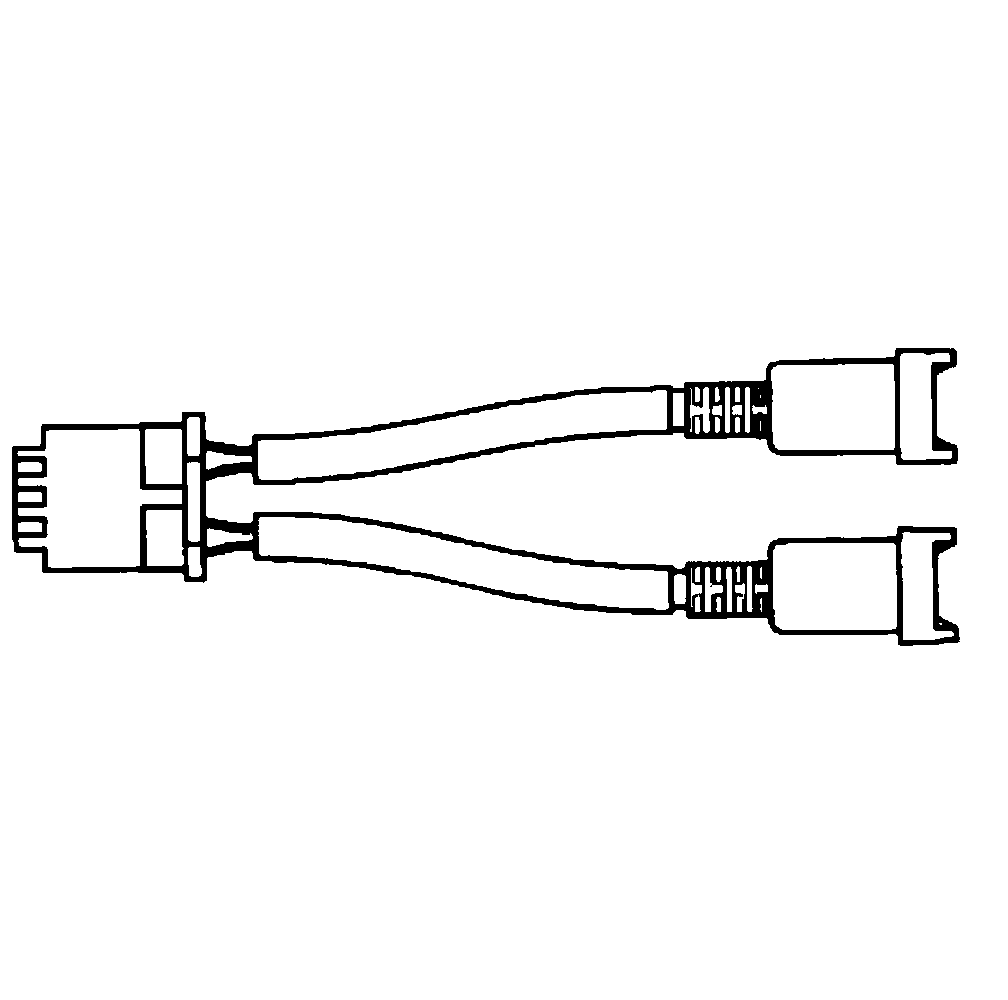
8443-1 - Jumpers, 2 Pin
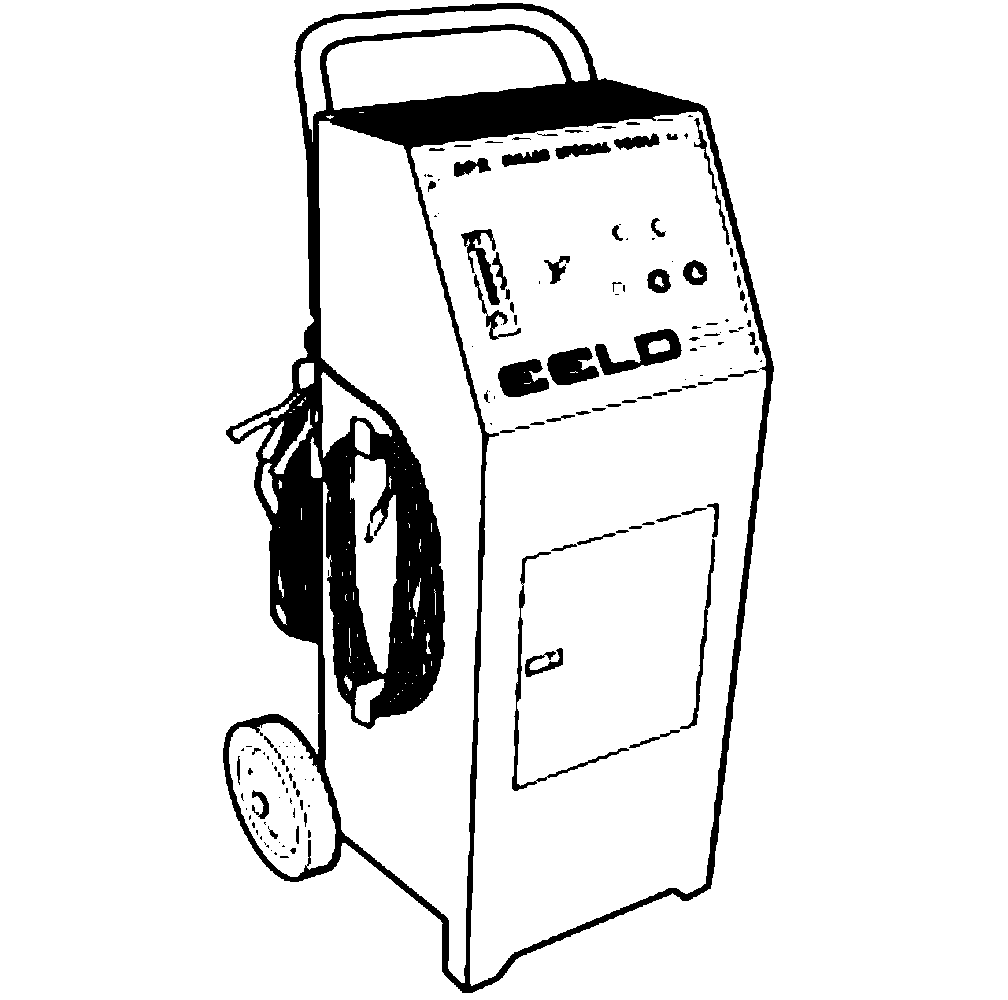
8404B - Kit, EELD And Accessory
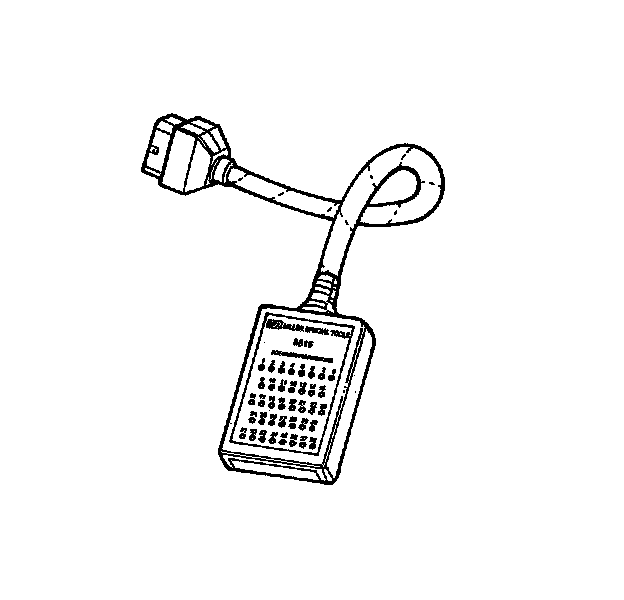
8815A - Kit, NGC, 38 Position
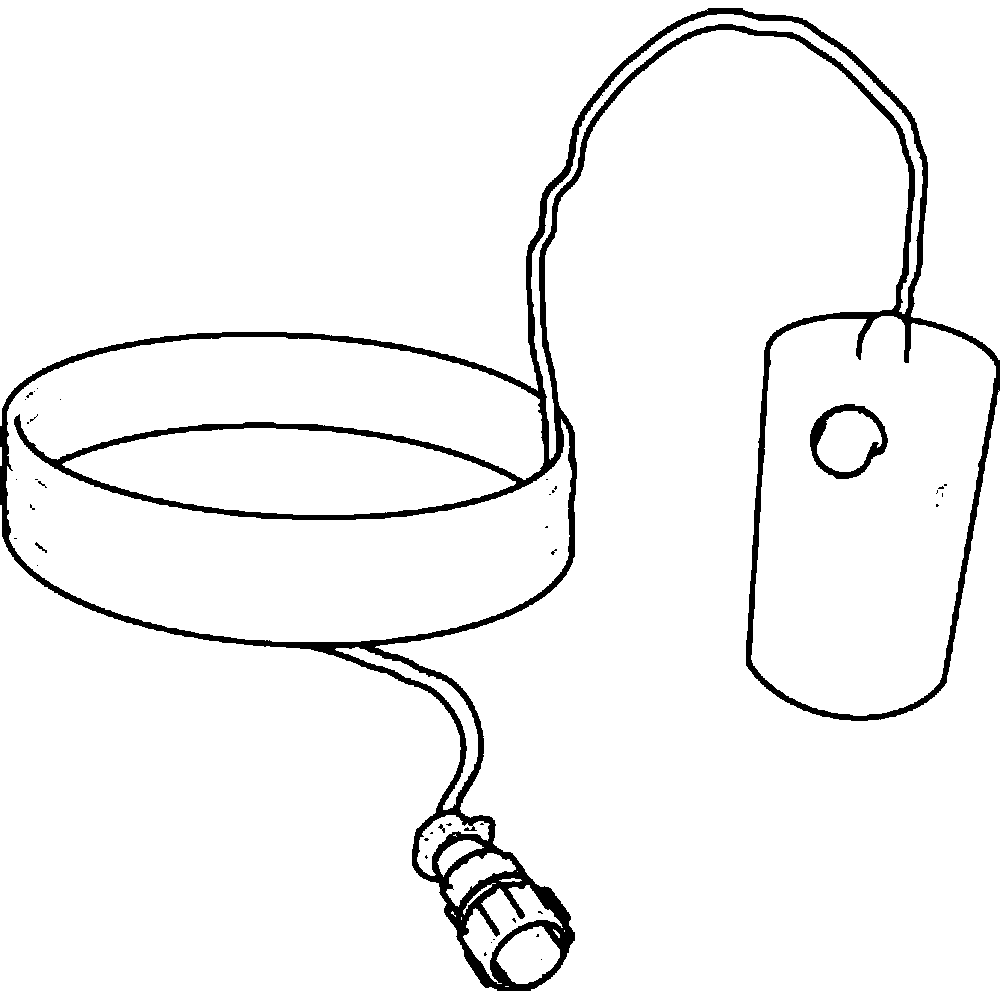
8404-UVL - Light, UV
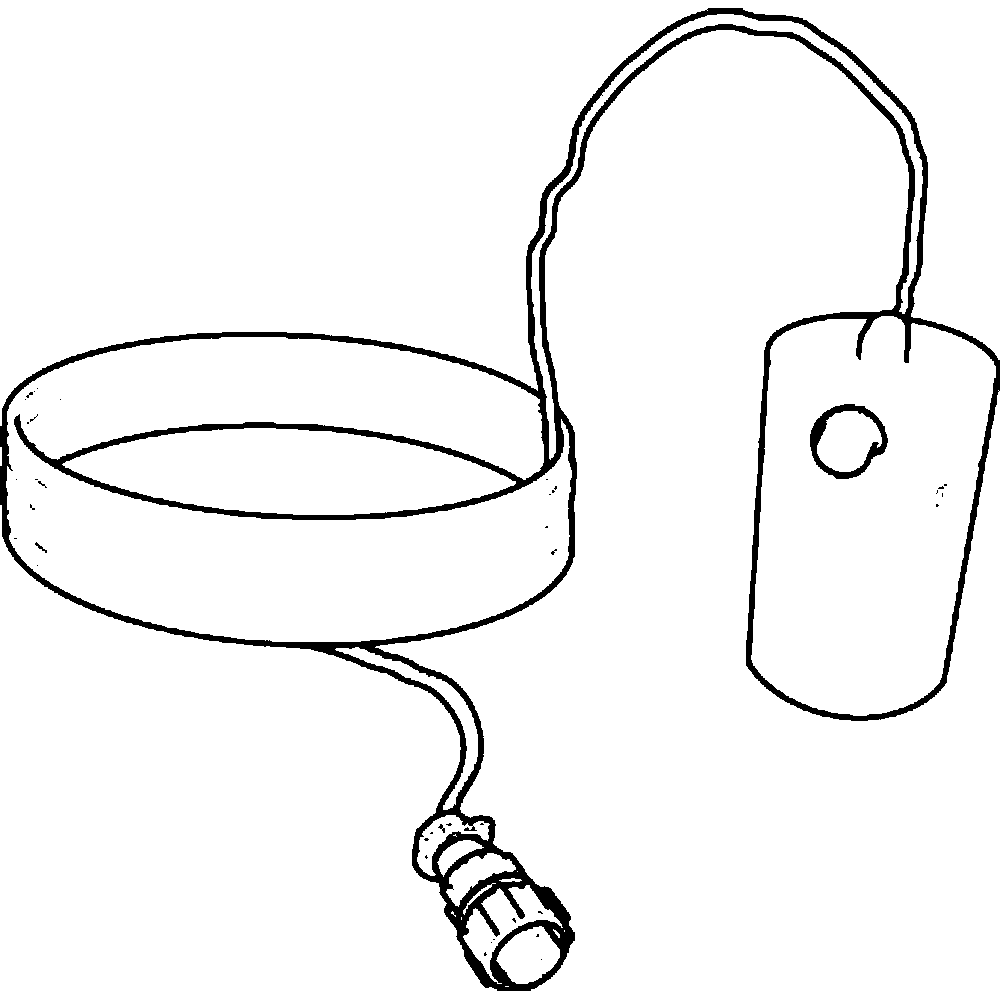
8404-CLL - Light, White
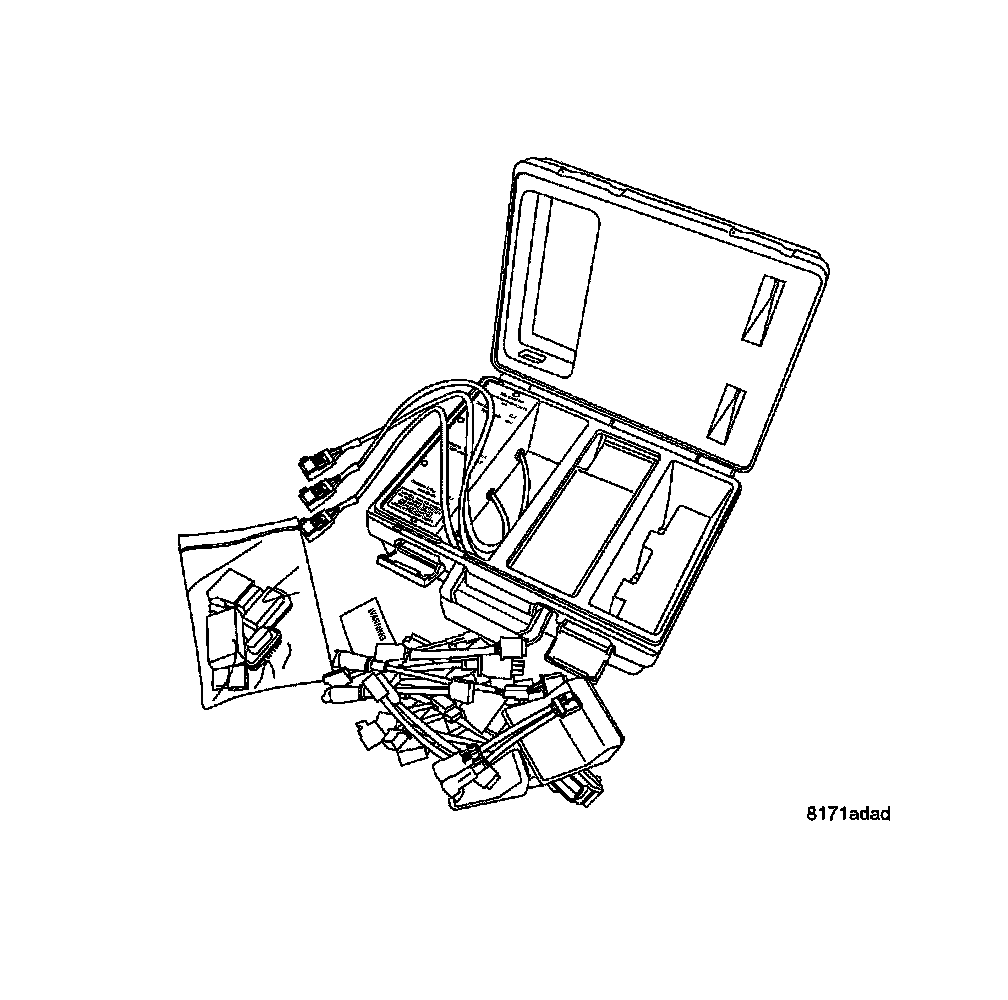
8443A - SRS Load Tool
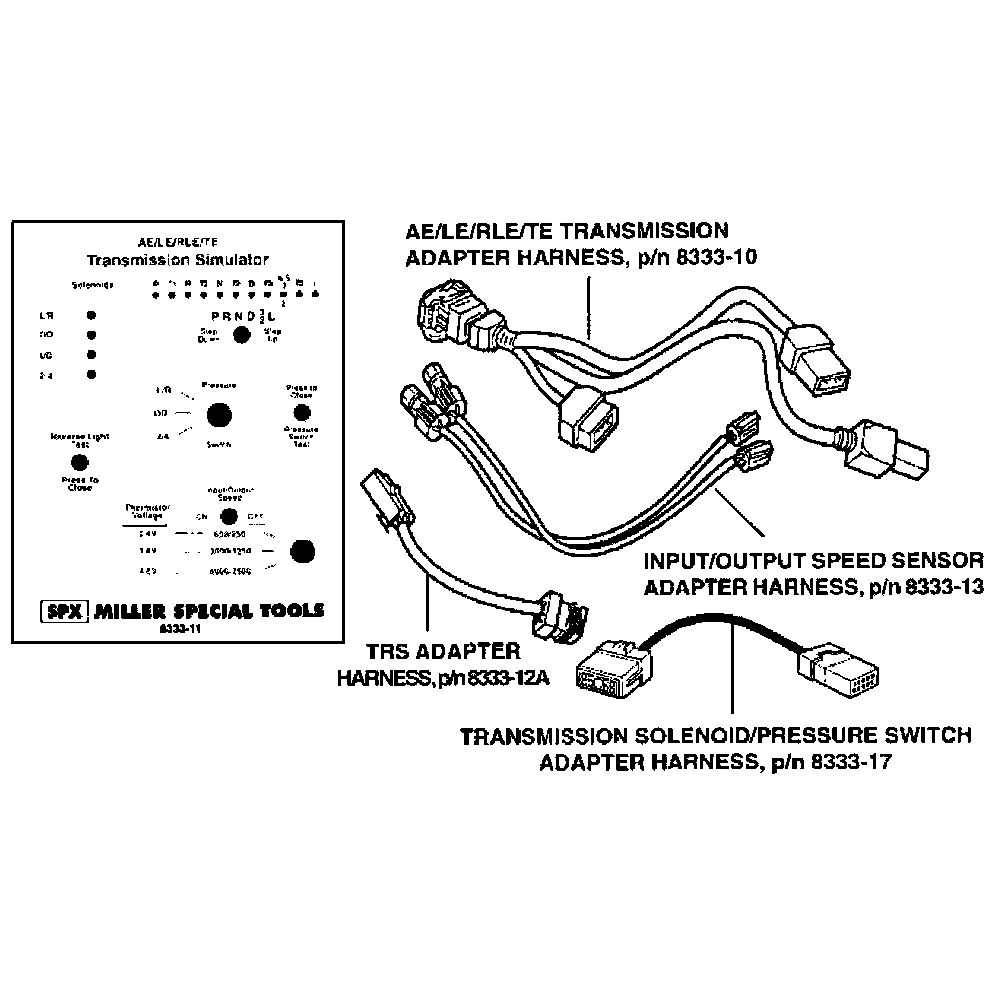
8333-1A - Set, Adapter Cable
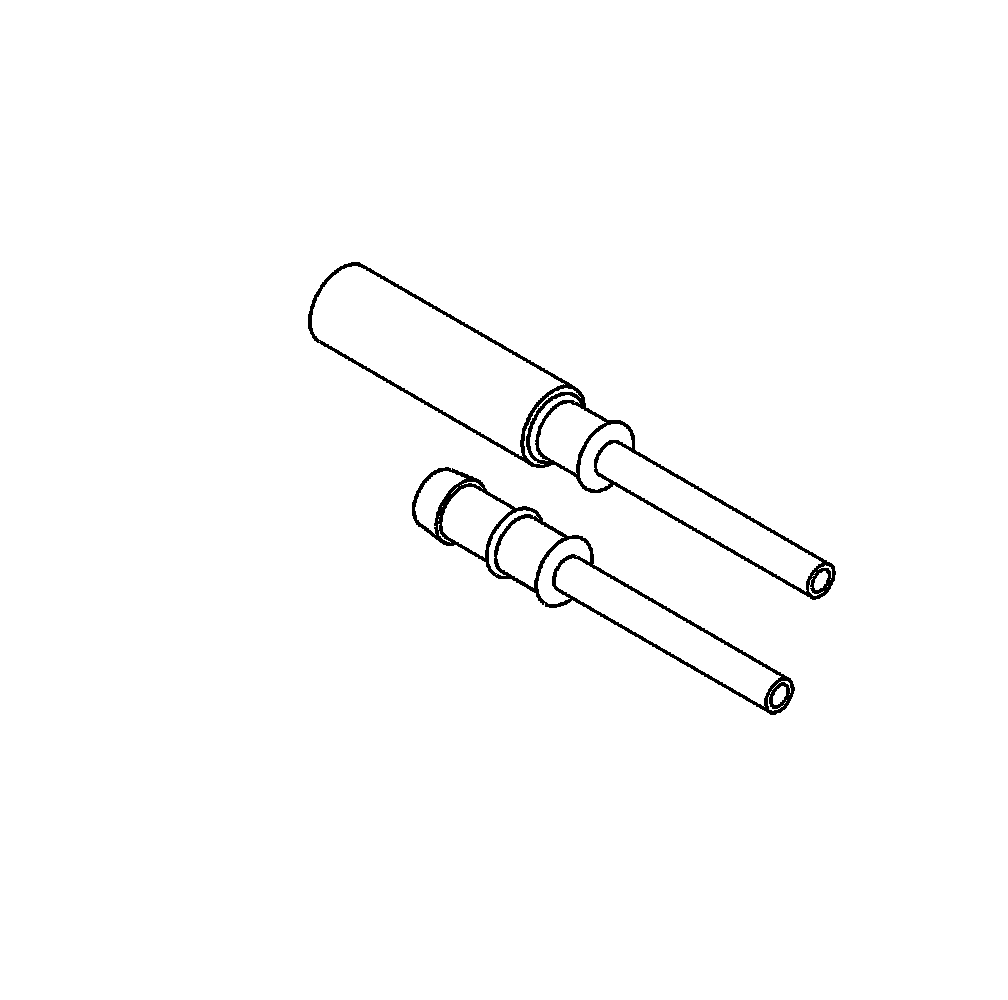
8404-ADP - Smoke Machine Adapters
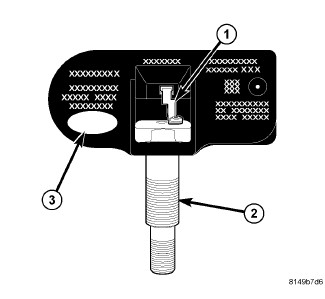
6801 - Terminal Probe
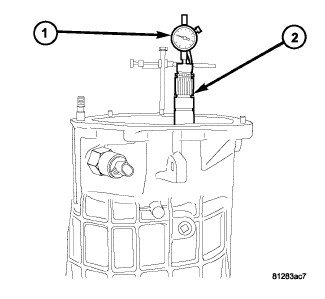
10253 - Tester, AHR Load
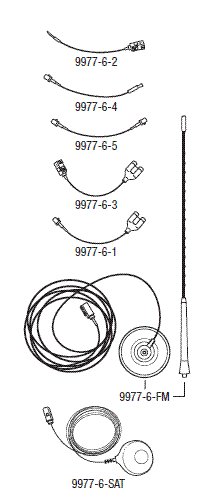
9977-6-FM - Tool, Radio Diagnostic
Factory Service Tools
Use the Manual With the Right Hardware
Pair factory procedures with proven DIY tools so the instructions are easier to execute.
Disclosure: Verified tool recommendations may earn an affiliate commission at no cost to you.
When to See a Mechanic
Stop DIY work and contact a certified mechanic immediately if any of the following apply:
- • You smell fuel, burning insulation, or see smoke.
- • Brakes feel soft, pull hard to one side, or make grinding noises.
- • The engine overheats, stalls repeatedly, or misfires under load.
- • You are missing required tools, torque specs, or safe lifting equipment.
- • You are not confident in the next step or safety outcome.