
Safety Warning
DIY auto repair can cause serious injury, fire, or vehicle damage. These guides are for informational purposes only. Always follow OEM torque specs, wear PPE, and consult a certified mechanic if you are unsure. You are solely responsible for your safety.
2008 Chevrolet Uplander V6-3.9LFACTORY OEM SERVICE PROCEDURE
Front of Vehicle/Engine Compartment Component Views
Front of Vehicle/Engine Compartment Component Views
Front of Engine Compartment Components
Engine Compartment Components - Forward Lamp Harness:
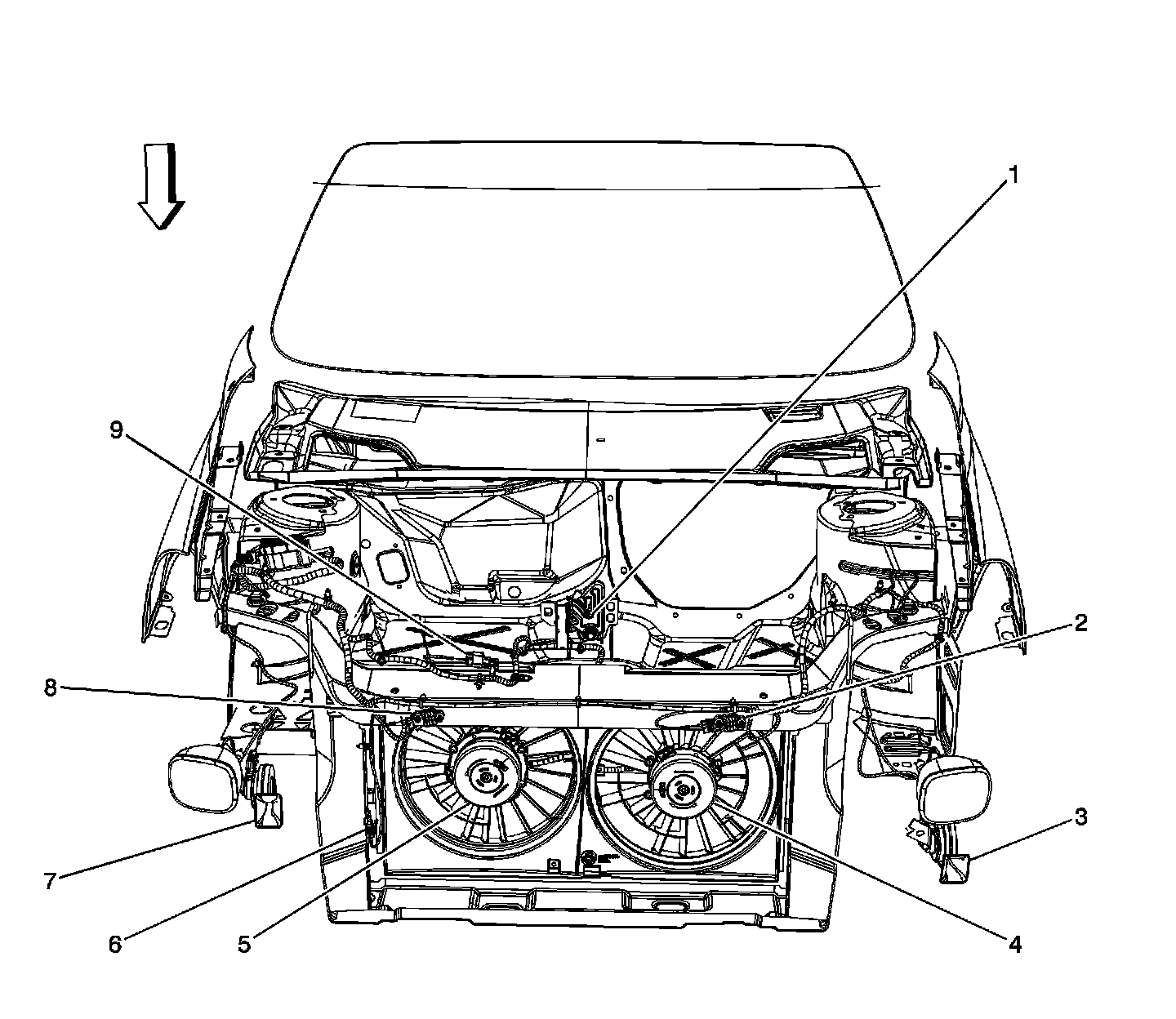
1 - Hood Ajar Switch (AP3/AP8)
2 - Inflatable Restraint Front End Sensor - Left
3 - Horn - Left
4 - Cooling Fan - Left
5 - Cooling Fan - Right
6 - Ambient Air Temperature Sensor (UH8/UH9)
7 - Horn Assembly
8 - Inflatable Restraint Front End Sensor - Right
9 - Hood Ajar Switch Connector (AP3/AP8)
Front Fascia Components
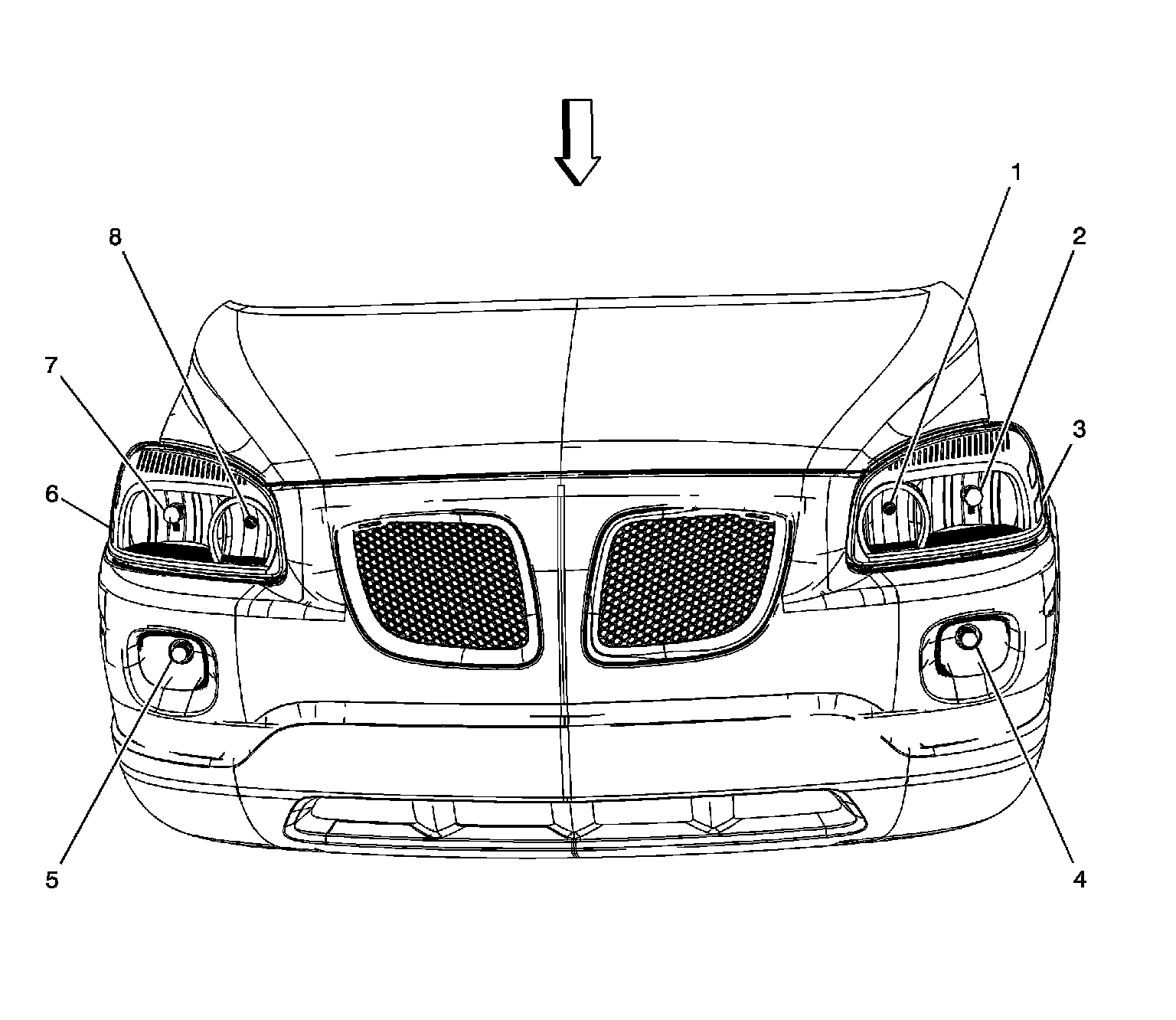
1 - Headlamp - High Beam - Left
2 - Headlamp - Low Beam - Left
3 - Marker Lamp - Left Front
4 - Park/Turn Signal Lamp - Left Front
5 - Park/Turn Signal Lamp - Right Front
6 - Marker Lamp - Right Front
7 - Headlamp - Low Beam - Right
8 - Headlamp - High Beam - Right
Left Front of Engine Compartment Components 1 of 2
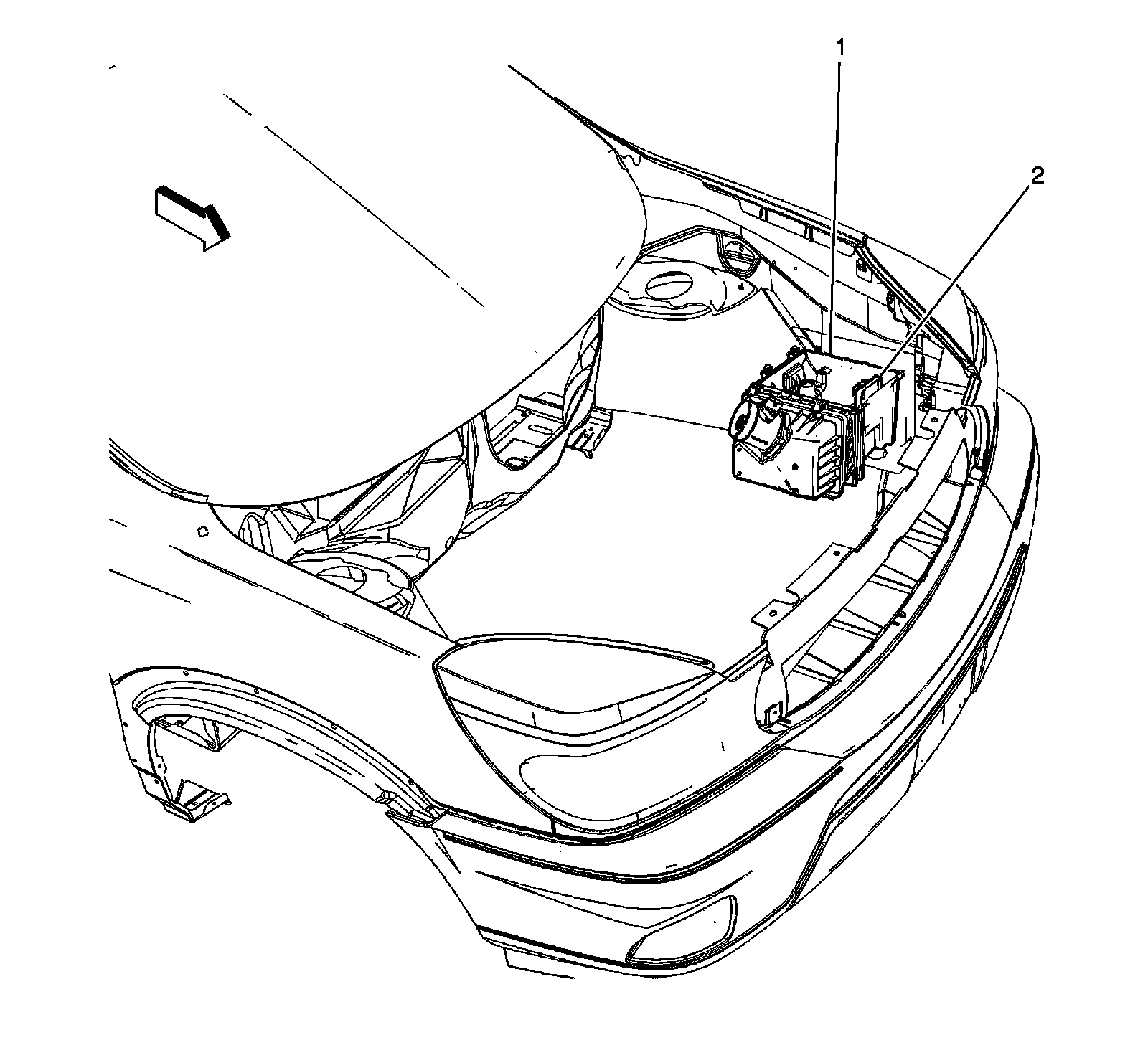
1 - Air Cleaner Assembly
2 - Transmission Control Module (TCM)
Left Front of Engine Compartment Components 2 of 2
LF Engine Compartment:
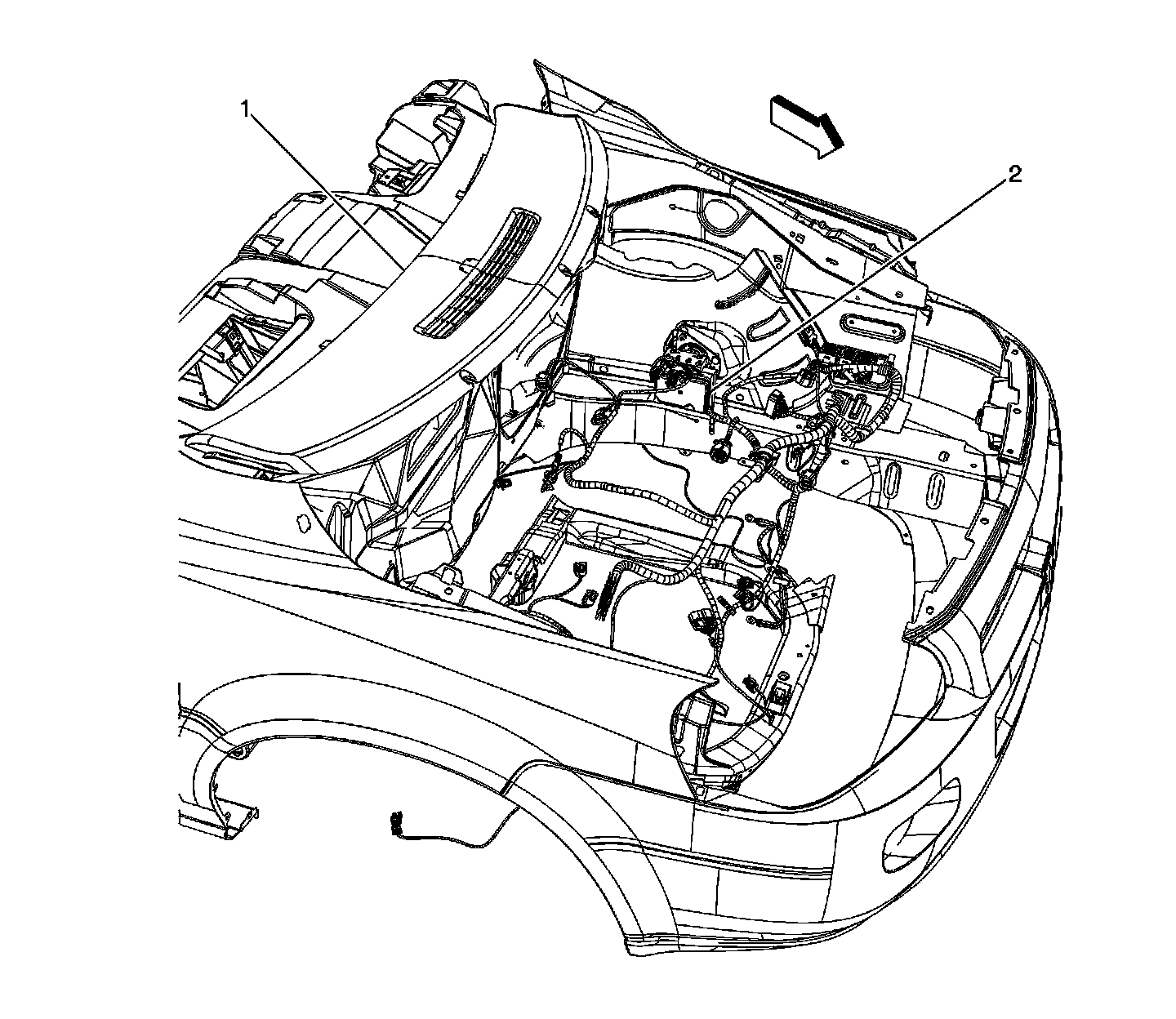
1 - Upper Dash Panel
2 - Electronic Brake Control Module (EBCM)
Rear of Engine Compartment Components
Engine Compartment Components - I/P Harness:
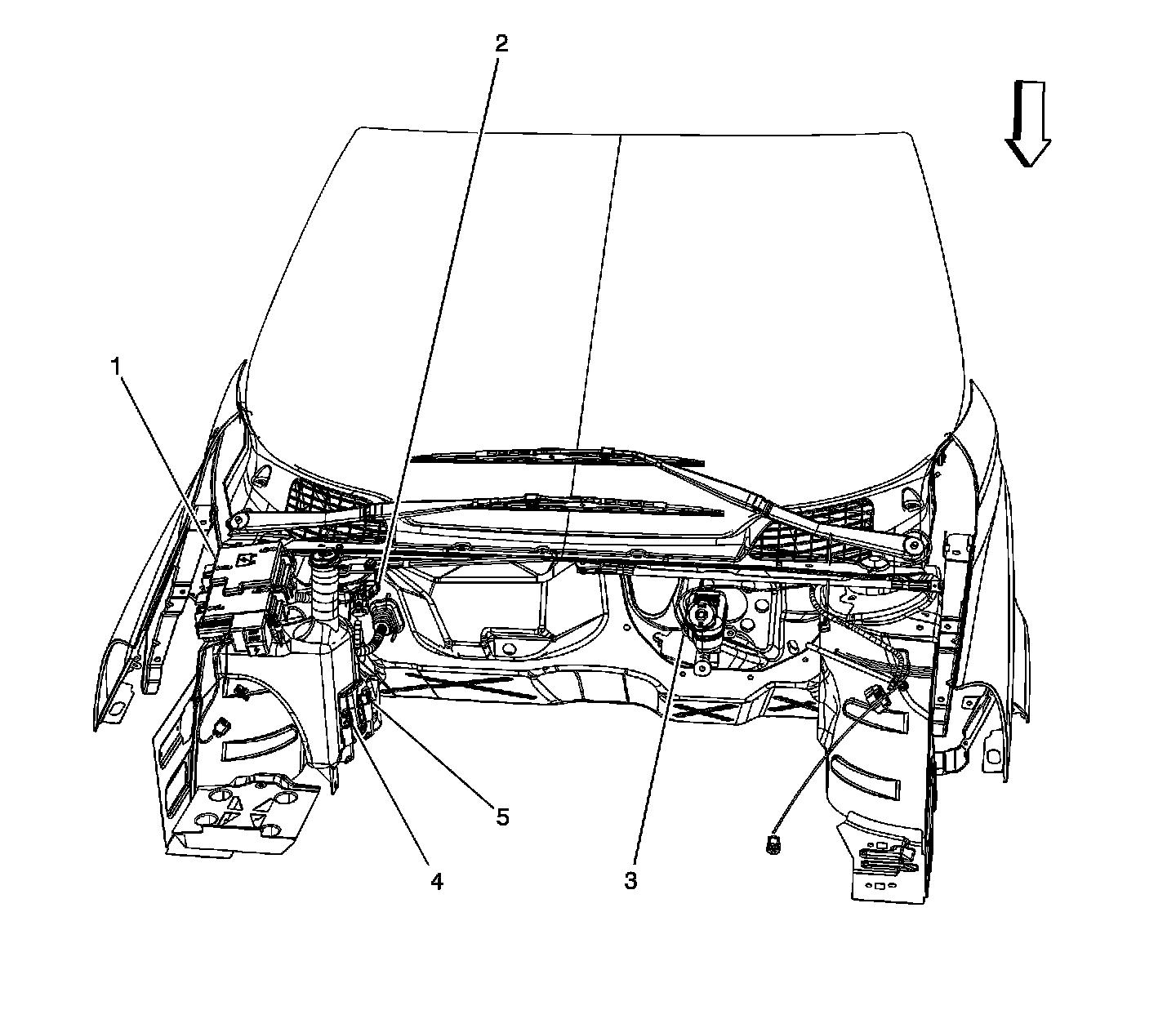
1 - Fuse Block - Underhood
2 - Windshield Wiper Motor
3 - Brake Fluid Level Switch
4 - Windshield Washer Fluid Pump
5 - Rear Window Washer Fluid Pump
Right Front of Engine Compartment Components 1 of 2
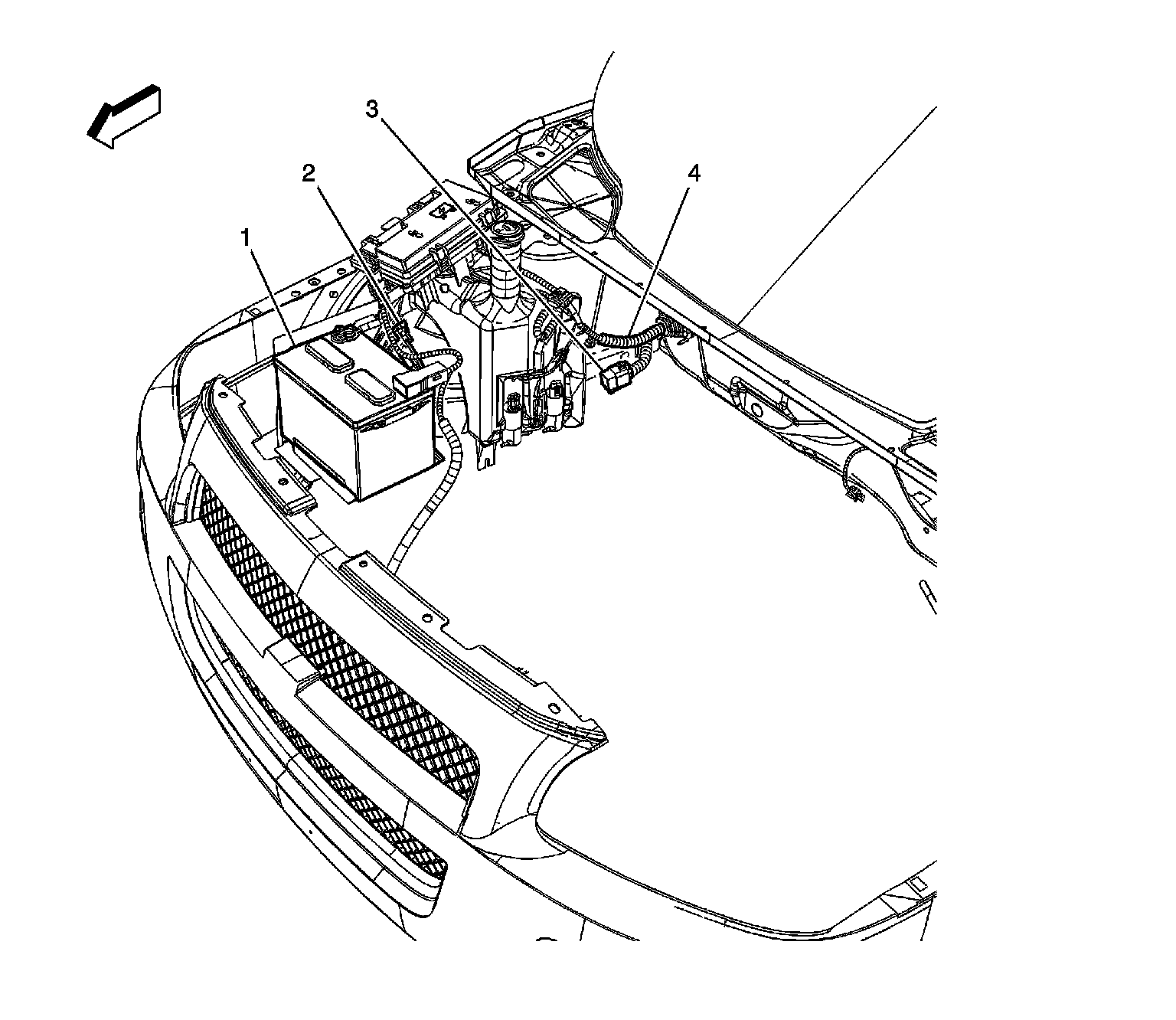
1 - Battery
2 - X108
3 - Rear Window Washer Fluid Pump Relay
4 - Instrument Panel Harness
Right Front of Engine Compartment Components 2 of 2
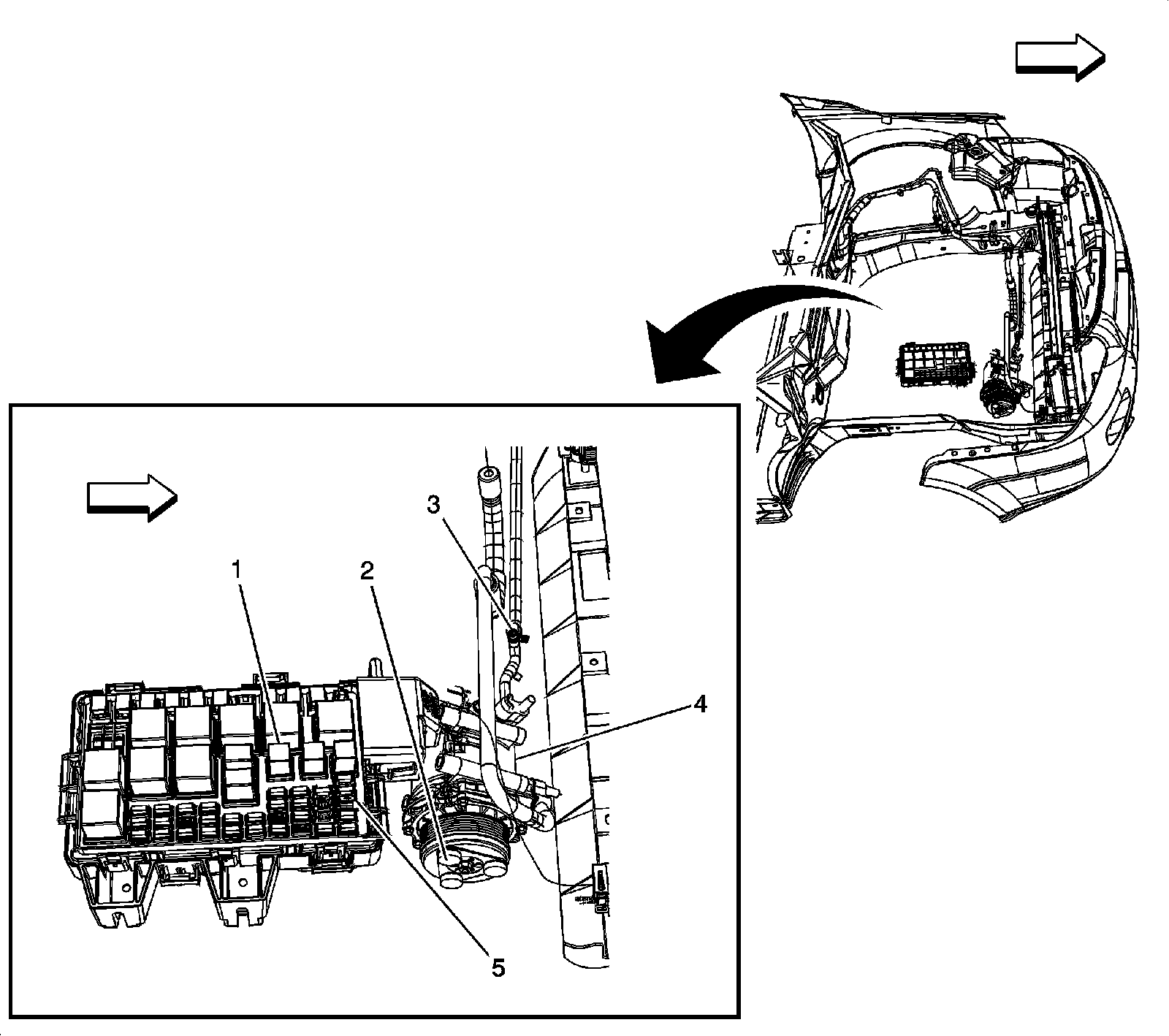
1 - A/C CLTCH Relay
2 - A/C Compressor Clutch
3 - A/C Refrigerant Pressure Sensor
4 - A/C Compressor
5 - DIODE 3
Factory Service Tools
Use the Manual With the Right Hardware
Pair factory procedures with proven DIY tools so the instructions are easier to execute.
Disclosure: Verified tool recommendations may earn an affiliate commission at no cost to you.
When to See a Mechanic
Stop DIY work and contact a certified mechanic immediately if any of the following apply:
- • You smell fuel, burning insulation, or see smoke.
- • Brakes feel soft, pull hard to one side, or make grinding noises.
- • The engine overheats, stalls repeatedly, or misfires under load.
- • You are missing required tools, torque specs, or safe lifting equipment.
- • You are not confident in the next step or safety outcome.