
Safety Warning
DIY auto repair can cause serious injury, fire, or vehicle damage. These guides are for informational purposes only. Always follow OEM torque specs, wear PPE, and consult a certified mechanic if you are unsure. You are solely responsible for your safety.
2004 Chevrolet SSR V8-5.3L VIN PFACTORY OEM SERVICE PROCEDURE
Spark Plug: Service and Repair
SPARK PLUG REPLACEMENT
REMOVAL PROCEDURE
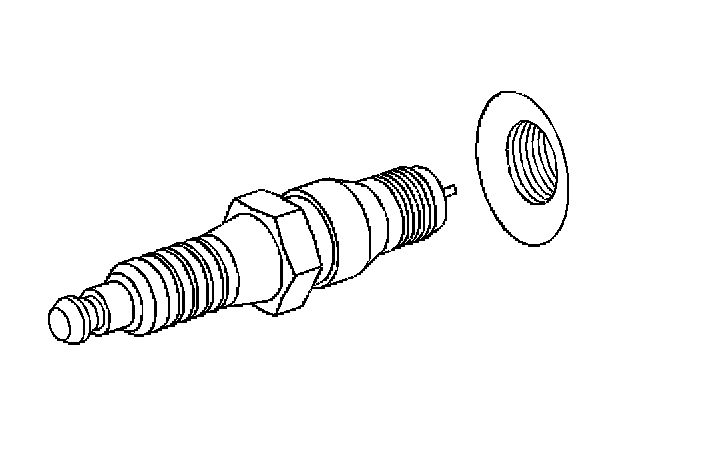
1. Remove the spark plug wires.
2. Loosen each spark plug 1 or 2 turns.
3. Brush or air blast away any dirt from around the spark plugs.
4. Remove the spark plugs 1 at a time. Place each plug in a tray marked with the corresponding cylinder numbers.
INSTALLATION PROCEDURE
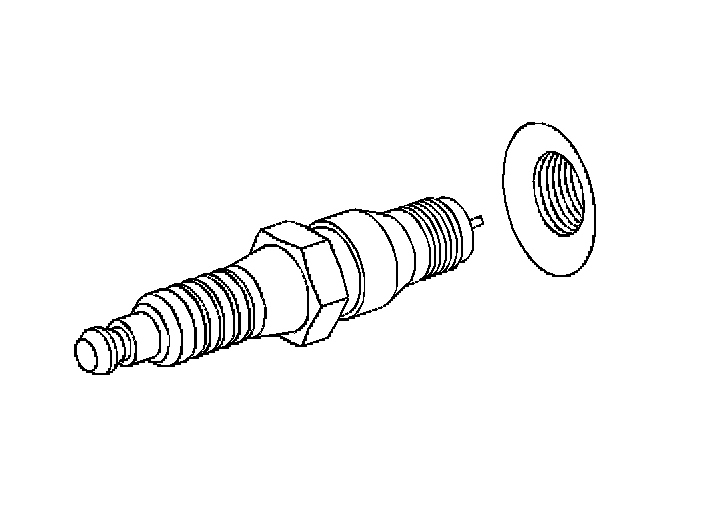
1. Properly position each spark plug washer.
2. Inspect each spark plug gap. Adjust each plug as needed.
Specification
Spark plug gap: 1.524 mm (0.060 in)
3. Hand start the spark plugs in the corresponding cylinders.
NOTE: Use the correct fastener in the correct location. Replacement fasteners must be the correct part number for that application. Fasteners requiring replacement or fasteners requiring the use of thread locking compound or sealant are identified in the service procedure. Do not use paints, lubricants, or corrosion inhibitors on fasteners or fastener joint surfaces unless specified. These coatings affect fastener torque and joint clamping force and may damage the fastener. Use the correct tightening sequence and specifications when installing fasteners in order to avoid damage to parts and systems.
4. Tighten the spark plugs.
Tighten
- For used heads tighten the spark plugs to 15 Nm (11 lb ft).
- For new aluminum heads tighten the spark plugs to 20 Nm (15 lb ft).
- For new iron heads, tighten the spark plugs to 30 Nm (22 lb ft).
5. Install the spark plug wires.
Factory Service Tools
Use the Manual With the Right Hardware
Pair factory procedures with proven DIY tools so the instructions are easier to execute.
Disclosure: Verified tool recommendations may earn an affiliate commission at no cost to you.
When to See a Mechanic
Stop DIY work and contact a certified mechanic immediately if any of the following apply:
- • You smell fuel, burning insulation, or see smoke.
- • Brakes feel soft, pull hard to one side, or make grinding noises.
- • The engine overheats, stalls repeatedly, or misfires under load.
- • You are missing required tools, torque specs, or safe lifting equipment.
- • You are not confident in the next step or safety outcome.